Proven Ways to Ease Loneliness in Aging Loved Ones
Loneliness is often dismissed as a fleeting emotion—something temporary that fades with time. Yet for millions of seniors across North America, it is far more than just a passing feeling. Loneliness has become a silent epidemic, one that threatens not only emotional well-being but also physical health.
As families grow busy, children move away, and social circles shrink with age, many older adults find themselves living in quiet isolation. This crisis doesn’t capture headlines like other public health issues, but its impact is undeniable. Despite society’s image of aging as a season of wisdom, freedom, and rest, the reality for countless seniors is very different: days marked by disconnection, invisibility, and loss of purpose.
Unlike other health challenges, loneliness isn’t easy to spot. It doesn’t leave scars or physical marks, yet its effects run deep—undermining both body and mind. This is the hidden reality experts now recognize as senior loneliness: a silent but growing epidemic in North America.
In this blog, we’ll explore the scale of the problem, uncover its root causes, examine its impact on senior health, and highlight how families, communities, and technology can work together to create meaningful solutions.
Understanding the Scope of the Problem
Senior loneliness is far more widespread than many realize. In the United States, the National Academies of Sciences, Engineering, and Medicine report that almost one in four adults over 65 lives in social isolation. The situation in Canada is no less concerning, where nearly 30% of seniors admit to feeling lonely at least once each week. With the senior population growing rapidly, the challenge is only expected to intensify—by 2030, more than one in five North Americans will be over the age of 65.
What makes these numbers especially troubling is that loneliness isn’t simply a matter of emotions; it carries severe health risks. Studies reveal that persistent loneliness can raise the likelihood of premature death by 26%, a risk comparable to obesity or smoking 15 cigarettes a day.
Causes of Senior Loneliness
Loneliness in older adults rarely stems from a single source. Instead, it often arises from a mix of life changes and circumstances that gradually build over time.
Shrinking Social Circles As people grow older, their social networks naturally begin to shrink. Friends may relocate, relationships shift, and loved ones pass away. Without deliberate efforts to form new bonds, many seniors are left with fewer connections to lean on.
Limited Mobility Health challenges such as arthritis, vision loss, or difficulty driving can make it hard for seniors to leave home. Simple outings—like shopping, attending community events, or visiting friends—become obstacles, leading to greater isolation.
Retirement and Lifestyle Changes Retirement often brings freedom from work, but it also removes the daily interactions and structure that employment provides. Without new routines or a sense of purpose, feelings of disconnection and loneliness can quietly set in.
The Technology Gap While technology has revolutionized how people stay in touch, many seniors feel excluded. Complicated devices, limited digital literacy, or fears about scams prevent some from fully benefiting from online communication tools.
Family Distance In today’s fast-moving world, families are often spread across cities, states, or even countries. This distance makes regular face-to-face visits rare. Although phone and video calls help, they don’t always replace the warmth of in-person connection.
Health Risks Associated with Loneliness
Loneliness isn’t just an emotional struggle—it’s a serious health hazard. Leading organizations warn that its impact on seniors rivals some of the deadliest chronic conditions.
Cognitive Decline Lonely seniors are 50% more likely to develop dementia, according to the National Institute on Aging (NIA).
Heart and Stroke Risks American Heart Association reports that isolation increases the risk of heart disease by 29% and stroke by 32%.
Mental Health Strain The Social Isolation and Loneliness in Older Adults National Institutes of Aging highlights that prolonged loneliness is strongly tied to depression, anxiety, and higher suicide rates in older adults.
Weakened Immunity Research from Harvard Health shows that chronic loneliness can alter immune system function, leaving seniors more vulnerable to infections and slower recovery.
Premature Death A landmark study published in Perspectives on Psychological Science found that social isolation raises the risk of early death by 26%—a danger level comparable to smoking 15 cigarettes daily (Holt-Lunstad et al., 2015). National Institutes of Health (NIH) has since recognized loneliness as a pressing global health concern.
Loneliness isn’t harmless. It silently eats away at both body and mind, shortening lives and eroding well-being.
Signs That a Loved One May Be Lonely
Loneliness doesn’t always announce itself loudly—it often shows up in subtle ways that can be easy to overlook. Paying attention to these warning signs can make a big difference in supporting your loved ones:
Social Withdrawal: Pulling away from family, friends, or community gatherings they once enjoyed.
Loss of Interest: No longer finding joy in hobbies, activities, or routines that used to bring them happiness.
Changes in Daily Habits: Shifts in appetite, disrupted sleep patterns, or lack of energy.
Emotional Distress: Frequent expressions of sadness, anxiety, or hopelessness.
Cognitive and Self-Care Decline: Increasing forgetfulness, neglecting personal care, or seeming less motivated overall.
The Role of Families in Combating Loneliness
Family support is often the strongest shield against senior loneliness. Even small, thoughtful gestures can go a long way in making older adults feel loved, connected, and valued. Here are some meaningful ways families can help:
Stay Connected Regularly A simple phone call, video chat, or even a short text message can reassure seniors that they are remembered and cherished.
Prioritize In-Person Visits Nothing replaces the comfort of physical presence. Visiting whenever possible provides warmth, companionship, and a sense of belonging.
Create Shared Moments Enjoying activities together—whether it’s cooking, gardening, playing board games, or sharing family stories—helps strengthen bonds and build new memories.
Encourage Community Involvement Faith groups, senior centers, and local volunteer opportunities offer safe and supportive spaces for older adults to connect with peers and find purpose.
Promote Healthy Movement Joining a walking group, attending light exercise classes, or practicing yoga together not only supports physical well-being but also creates opportunities for social interaction.
Technology as a Bridge to Connection
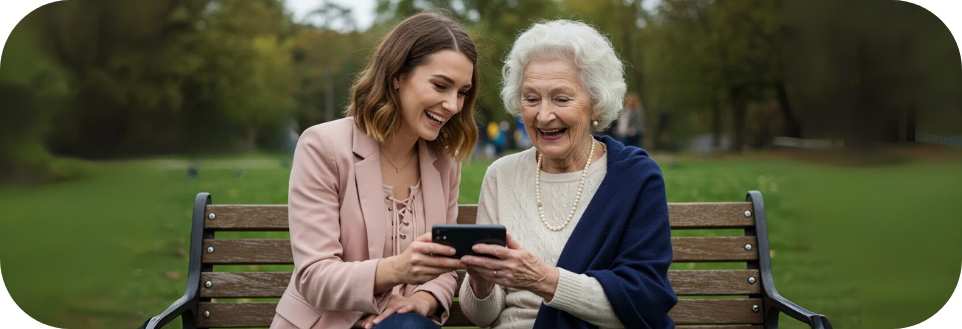
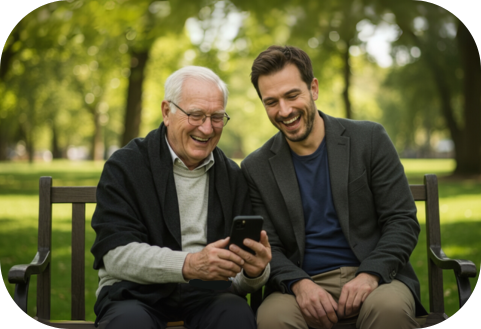
When designed with simplicity and accessibility in mind, technology can be a lifeline for seniors facing isolation. It has the power to close physical distances, spark conversations, and rebuild a sense of community.
Video Calling Platforms
Apps like Zoom, FaceTime, or WhatsApp make it easier for families to share moments, celebrate milestones, and stay emotionally close—even when miles apart.
Online Learning & Virtual Communities
From book clubs and language classes to hobby-based groups, online platforms give seniors the chance to learn, engage, and connect with others who share their interests.
AI Companions & Smart Assistants
Voice-enabled devices can offer friendly reminders, simple entertainment, and even companionship through interactive conversations.
ReComune: A Powerful Solution for Senior Connection
Among these tools, ReComune stands out as a platform built specifically for seniors. Unlike generic social networks, ReComune is designed to be intuitive, safe, and welcoming. Seniors can:
Join supportive online communities tailored to their interests.
Stay in touch with family through easy to use video and chat features.
Participate in meaningful group activities that reduce feelings of isolation.
Build confidence in technology without feeling overwhelmed or left behind.
By embracing solutions like ReComune, families can help their loved ones bridge both physical and emotional distances transforming loneliness into connection, and isolation into community.
Building a Connected Future
Senior loneliness in North America does not have to be the norm. With greater awareness, genuine compassion, and collective action, we can reshape aging into a stage of life defined by connection, purpose, and belonging not isolation.
Families must place emotional connection at the heart of caregiving. Communities need to create welcoming spaces where older adults feel seen, heard, and valued. And technology must continue evolving as a bridge making it easier for seniors to stay close to loved ones and participate fully in society.
Most importantly, seniors themselves deserve to feel empowered, not forgotten. Their stories, wisdom, and presence matter. By working together families, communities, innovators, and seniors we can build a future where no one grows old feeling alone, but instead grows old surrounded by care, dignity, and connection.
From Isolation to Connection: The Role of ReComune
Loneliness is far more than a fleeting feeling it is a silent epidemic stealing health, joy, and dignity from millions of seniors. But it doesn’t have to be this way. With compassion and commitment, we can turn isolation into connection and despair into hope.
By opening conversations that matter, strengthening community bonds, and empowering seniors with accessible technology like ReComune, we can ensure that every older adult feels seen, valued, and never left behind.
This is not just about fighting loneliness it’s about honoring the lives and legacies of our aging loved ones. Together, we can break the silence, restore connection, and build a culture where growing old means living fully with dignity, purpose, and care.




Your point of view caught my eye and was very interesting. Thanks. I have a question for you.
Thank you so much — I really appreciate that!
I’m glad the perspective resonated with you. I’d love to hear your question — feel free to share, and I’ll be happy to help!