Clinical Insight: Beyond cognitive scores, memory-care data focus on Functional Independence. Modern therapies have shown a significant slowing in the decline of daily activities such as dressing, bathing, and managing finances, granting families more “high-quality” time before high-acuity care is required.
Academic & Statistical Sources
• Alzheimer’s Association: 2025 Alzheimer’s Disease Facts and Figures (Prevalence and Costs).
• JAMA Neurology: Accuracy of p-tau217 Blood Tests for Alzheimer’s Diagnosis (2024-25 Reports).
• NEJM & iADRS Data: Preservation of Daily Functioning and Memory Quality in TRAILBLAZER-ALZ 2 trials.
• NIH Research Progress: 2025 Alzheimer’s Disease and Related Dementias Report.
As societies evolve and life expectancy increases, families are rediscovering the value of living together across generations. Intergenerational living, where seniors share a household or maintain close daily interaction with younger family members, is becoming increasingly common around the world. This lifestyle not only strengthens family bonds but also supports healthy aging, emotional well-being, and social connection.
In recent years, researchers and public health organizations have highlighted how social relationships play a key role in physical and mental health. According to the World Health Organization, strong social connections can significantly improve quality of life and reduce risks associated with loneliness and social isolation among older adults (WHO). Intergenerational living offers a practical and meaningful way to promote connection, support, and well-being for both seniors and younger generations.
What Is Intergenerational Living?
Intergenerational living refers to households or communities where people from multiple age groups often grandparents, parents, and children live together or interact regularly. This arrangement may involve seniors living with adult children, extended family households, or shared community housing designed to bring generations together.
This model is becoming more common in many parts of the world. Economic factors, cultural traditions, and the desire for stronger family support systems have all contributed to the rise of multigenerational households. According to Pew Research Center, the number of Americans living in multigenerational households has increased significantly over the past few decades (pewresearch.org). For seniors, this living arrangement can provide daily interaction, emotional support, and a greater sense of belonging.
How Intergenerational Living Supports Healthy Aging
Healthy aging involves more than managing physical health it also includes emotional well-being, social engagement, and a sense of purpose. Intergenerational living naturally supports these elements by encouraging daily connection between generations. Below are some of the most important benefits of intergenerational living for seniors.
1. Reduced Loneliness and Social Isolation
One of the most significant benefits of intergenerational living is its ability to reduce loneliness among seniors. Loneliness can negatively impact both mental and physical health. The Centers for Disease Control and Prevention (CDC) notes that social isolation and loneliness are associated with increased risks of depression, anxiety, heart disease, and cognitive decline in older adults (CDC, 2023). Living with or near younger family members naturally creates opportunities for conversation, shared activities, and emotional support. These everyday interactions help seniors feel connected and valued. For many older adults, simply having someone nearby to talk to or share daily experiences with can significantly improve emotional well-being.
2. Stronger Emotional Support Systems
Intergenerational households often provide stronger emotional support networks. Family members from different generations can support one another during challenging times. Seniors benefit from having loved ones nearby who can provide encouragement, companionship, and understanding.
Emotional support is especially important during major life transitions such as retirement, health changes, or the loss of a spouse. According to the National Institute of Health, maintaining strong social relationships can help older adults cope with stress and improve overall mental health (NIH). Being surrounded by family members helps seniors feel emotionally secure and supported.
3. Increased Sense of Purpose
Intergenerational living often gives seniors a renewed sense of purpose. Older adults frequently play important roles within multigenerational families, such as:
Caring for grandchildren
Sharing life experiences and wisdom
Participating in family decisions
Teaching traditions and cultural values
These contributions allow seniors to remain active participants in family life. Research shows that having a sense of purpose is associated with improved psychological health and longer life expectancy among older adults (ScienceDirect.com). Feeling needed and appreciated can have a powerful impact on emotional well-being.
4. Opportunities for Lifelong Learning
Intergenerational living creates a unique environment where learning happens naturally between generations. Younger family members often introduce seniors to new technologies, modern trends, and fresh perspectives. In return, seniors share valuable life lessons, cultural traditions, and practical skills. This exchange benefits both groups. Seniors remain mentally stimulated and engaged, while younger generations gain wisdom and guidance.
The American Psychological Association highlights that social engagement and lifelong learning contribute to better cognitive health and emotional resilience in older adults (APA, 2022). Learning from one another strengthens family relationships and encourages intellectual growth.
5. Improved Mental Health
Regular social interaction has a positive effect on mental health. Seniors living in multigenerational households are more likely to engage in daily conversations, shared meals, and family activities. These interactions stimulate the brain and promote positive emotions.
Research indicates that strong social relationships can reduce the risk of depression and improve overall mental health among older adults (WHO, 2023). Being surrounded by supportive family members helps seniors maintain emotional balance and resilience.
6. Better Physical Health and Daily Activity
Intergenerational living can also encourage healthier lifestyles. Family environments often promote regular routines such as shared meals, outdoor activities, and participation in household responsibilities. These routines help seniors remain physically active and engaged in daily life.
Studies show that seniors who maintain active social lives tend to experience better physical health and longer life expectancy (CDC, 2023). Simple activities such as walking with family members, playing with grandchildren, or participating in family events can contribute to improved mobility and overall well-being.
7. Financial Stability for Families
Multigenerational living can also provide financial advantages for both seniors and younger family members. Shared housing arrangements may help reduce expenses related to housing, utilities, and caregiving. Families can combine resources, making it easier to manage living costs while supporting aging family members. This shared approach can be especially beneficial when seniors require additional assistance but prefer to remain in a familiar home environment. Financial cooperation within families can create a more stable and supportive household for everyone involved.
8. Stronger Family Relationships
Living together or spending regular time together helps strengthen family relationships. Intergenerational households create opportunities for meaningful family traditions, shared celebrations, and daily bonding experiences. Grandchildren often develop strong emotional connections with grandparents, benefiting from their guidance and storytelling. At the same time, seniors experience joy and fulfillment through these relationships. These connections help preserve family history and values while fostering respect between generations.
The Role of Technology in Supporting Intergenerational Connection
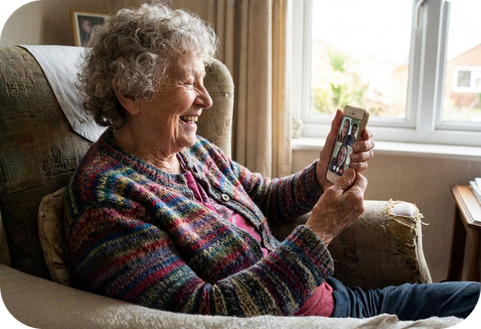
While intergenerational living emphasizes in-person relationships, technology can also support connection between generations. Digital communication tools help families stay connected when physical distance is unavoidable. Video calls, messaging apps, and online communities allow seniors to maintain relationships with family members and friends. According to Pew Research Center, internet use among adults aged 65 and older continues to grow, enabling more seniors to participate in digital communication (Pew Research Center, 2024). Technology can complement intergenerational living by extending connection beyond the home.
How Platforms Like ReComune Support Intergenerational Engagement
Digital communities designed for seniors are helping bridge generational gaps and support emotional well-being.
ReComune is an example of a platform designed to provide a safe, scam-free environment for seniors to connect and communicate. As online scams targeting older adults continue to rise, secure digital spaces have become increasingly important (FTC, 2024).
ReComune Call, allowing seniors to talk anytime and stay socially connected
A non-judgmental digital community where older adults feel comfortable participating
A safe online environment designed to reduce exposure to scams
An AI Companion that provides conversation and engagement when human interaction is limited
These tools complement intergenerational living by helping seniors maintain social connection even when family members are busy or live far away.
Challenges of Intergenerational Living
While intergenerational living offers many benefits, it can also present challenges. Some families may experience differences in lifestyle preferences, privacy needs, or communication styles. Managing these differences requires patience, mutual respect, and open communication. Setting clear expectations and boundaries can help families create a balanced and supportive living environment for everyone involved. When approached thoughtfully, these challenges can become opportunities for understanding and growth.
Final Thoughts
Intergenerational living offers powerful benefits for healthy aging. By bringing generations together under one roof or maintaining close daily interaction, families can create environments filled with connection, support, and shared purpose. For seniors, the advantages include reduced loneliness, stronger emotional support, improved mental health, and greater engagement in daily life. Younger generations also benefit by gaining wisdom, guidance, and deeper family connections.
As communities continue to explore ways to support aging populations, intergenerational living stands out as a meaningful solution that strengthens families while promoting well-being. By combining family support with modern tools like digital communities and safe online platforms like ReComune AI Companions, society can help ensure that older adults remain connected, valued, and emotionally fulfilled throughout their later years.
Companionship plays a vital role in supporting the emotional well-being of seniors by providing meaningful social connection, emotional support, and a sense of belonging. As individuals age, life transitions such as retirement, health challenges, or the loss of loved ones can increase the risk of loneliness and social isolation. Regular companionship whether through family, friends, caregivers, or supportive communities helps seniors feel valued and emotionally supported.
Research shows that strong social relationships are linked to improved mental health, reduced stress, and higher life satisfaction among older adults (National Institute on Aging, 2022). Additionally, public health studies emphasize that social connection is an important factor in preventing depression and promoting overall well-being in later life (CDC, 2023). Through companionship, seniors gain comfort, emotional resilience, and a greater sense of purpose.
Understanding Emotional Well-Being in Seniors
Emotional well-being refers to a person’s ability to manage feelings, maintain a positive outlook, and cope with life’s challenges. For seniors, emotional health can be influenced by several life changes, including:
Retirement and lifestyle transitions
Loss of a spouse or close friends
Health challenges or reduced mobility
Living alone or being far from family
These changes can increase the risk of loneliness and social isolation, which public health experts consider significant issues for older adults. According to the Centers for Disease Control and Prevention (CDC), social isolation and loneliness can increase risks of depression, anxiety, heart disease, and cognitive decline (CDC, 2023). Companionship plays a critical role in addressing these challenges and promoting healthier emotional outcomes.
The Impact of Loneliness on Seniors
Loneliness is more than just feeling alone it can have serious health consequences. Studies show that prolonged loneliness can negatively affect both mental and physical health. The National Institute on Aging highlights that social isolation can increase risks of dementia, depression, and even premature mortality (NIA, 2022). Many seniors experience loneliness after major life transitions such as losing a partner, relocating, or experiencing limited mobility. Without regular companionship, these experiences may lead to emotional withdrawal and reduced life satisfaction. However, consistent social interaction can significantly reduce these risks.
Why Companionship Is Essential for Seniors
Companionship provides emotional, psychological, and social benefits that contribute to healthier aging. When seniors feel connected to others, they are more likely to maintain a positive outlook and remain engaged in daily activities. Here are several ways companionship supports emotional well-being.
1. Companionship Reduces Feelings of Loneliness
One of the most immediate benefits of companionship is the reduction of loneliness. Regular interaction with others helps seniors feel valued and included. Even small moments of connection such as sharing a meal, having a conversation, or participating in community activities can improve emotional health. Research published by the World Health Organization (WHO) shows that strong social relationships improve mental well-being and help reduce the negative effects of loneliness among older adults (WHO). For seniors who live alone, companionship provides reassurance that they are not facing life’s challenges alone.
2. Social Interaction Improves Mood and Mental Health
Human connection stimulates positive emotional responses. When seniors engage with friends, family, or supportive communities, they often experience increased happiness and reduced stress. Social interaction can trigger the release of oxytocin and serotonin, hormones that promote feelings of trust, relaxation, and emotional stability. According to the National Institutes of Health, maintaining meaningful relationships helps reduce the likelihood of depression and anxiety in older adults (NIH). Regular companionship can therefore act as a natural emotional support system.
3. Companionship Encourages Mental Stimulation
Engaging conversations, shared hobbies, and social activities help keep the mind active. Mental stimulation is important for maintaining cognitive health and reducing the risk of memory decline.
Activities that involve companionship include:
Playing games or puzzles
Discussing current events
Learning new hobbies
Participating in community programs
The Alzheimer’s Association notes that staying socially engaged can help support brain health and may slow cognitive decline (Alzheimer’s Association, 2023). When seniors regularly interact with others, they are more likely to remain mentally active and emotionally fulfilled.
4. Companionship Strengthens Sense of Purpose
Many seniors experience a loss of purpose after retirement or major life transitions. Companionship can help restore that sense of meaning.
Being part of a social network allows seniors to:
Share experiences and wisdom
Support others emotionally
Participate in community activities
Feel needed and appreciated
Purpose plays a key role in emotional well-being. Seniors who feel that their presence matters often report higher life satisfaction and lower levels of stress.
5. Companionship Improves Physical Health
Emotional well-being and physical health are closely connected. Seniors who maintain strong social relationships often adopt healthier behaviors and experience better overall health. Research from Harvard Medical School indicates that strong social connections can improve immune function, reduce stress, and support longer life expectancy (Harvard Health Publishing, 2023). Companionship may also encourage seniors to stay active by participating in activities such as walking, gardening, or attending social events.
Digital Companionship: A Modern Solution for Senior Loneliness
While traditional companionship from family and friends remains vital, modern technology is also creating new opportunities for seniors to stay connected. As internet use among adults aged 65 and older continues to grow, digital tools are increasingly helping seniors maintain social relationships (Pew Research Center, 2024). Online communities, video calls, and digital communication platforms can help seniors stay connected even when mobility challenges or geographic distance make in-person visits difficult.
How Platforms Like ReComune Help Reduce Senior Loneliness
Digital companionship platforms are emerging as powerful tools to support emotional well-being among seniors. One example is ReComune, a community-focused platform designed to create safe, meaningful interactions for older adults.
ReComune helps seniors combat loneliness by offering:
ReComune Call, allowing seniors to connect and talk anytime
A non-judgmental community environment where seniors feel comfortable sharing and engaging
A scam-Free digital platform, ReComune is a scam-free digital platform designed to provide seniors with a safe, supportive, and trustworthy environment for connection and engagement.
An AI Companion that provides conversation and engagement when human interaction may not be immediately available
Platforms like ReComune complement traditional social relationships by providing accessible companionship and emotional support. These tools are especially valuable for seniors who live alone or have limited mobility.
Ways Families Can Support Senior Companionship
Families play an essential role in supporting the emotional well-being of older loved ones. Encouraging companionship does not always require large gestures small, consistent actions can make a significant difference.
Here are simple ways families can help seniors stay connected:
Regular Communication
Frequent phone calls, video chats, or visits help maintain emotional connection.
Encourage Community Activities
Senior centers, hobby clubs, and volunteer opportunities provide social engagement.
Introduce Technology Gradually
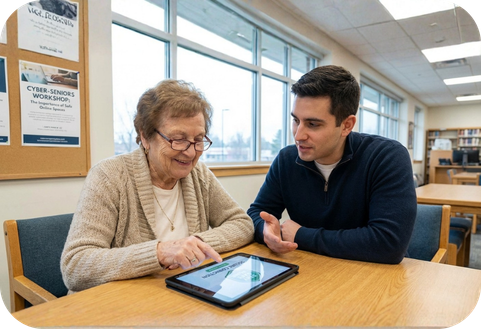
Teaching seniors to use communication apps can help them stay in touch with friends and family.
Support Shared Activities
Watching movies, cooking together, or playing games can strengthen relationships.
These efforts create meaningful opportunities for companionship and emotional support.
The Role of Communities in Supporting Seniors
Communities play an important role in improving seniors’ emotional well-being by providing opportunities for social interaction, support, and meaningful engagement. Local programs, senior centers, and volunteer groups help older adults stay connected and active. Studies show that community participation can reduce loneliness and improve mental health among seniors (World Health Organization, 2023). Supportive communities also encourage healthy aging and stronger social bonds (CDC, 2023).
Senior-friendly communities often provide:
Social clubs and recreational programs
Volunteer opportunities
Support groups and wellness programs
Intergenerational activities
Programs designed for seniors help create environments where older adults feel welcomed, valued, and engaged.
Final Thoughts
Companionship is a fundamental part of healthy aging and emotional well-being for seniors. Meaningful relationships whether with family members, friends, caregivers, or supportive communities help older adults feel valued, connected, and emotionally secure. Studies consistently show that strong social connections can reduce the risk of depression, anxiety, and cognitive decline while improving overall quality of life.
In addition, public health research highlights that maintaining social engagement plays a key role in protecting both mental and physical health in later life. As societies continue to age, encouraging companionship through family involvement, community programs, and supportive digital platforms will become increasingly important. By prioritizing connection and social inclusion, we can help ensure that seniors experience dignity, happiness, and emotional fulfillment throughout their later years.
A lot of families have the same quiet frustration: grandparents feel left behind by technology, while younger family members assume “it’s easy” because they grew up with it. The truth is, the technology gap between generations isn’t about intelligence, it’s about exposure, comfort, and design. For seniors, new devices can feel fast, unfamiliar, and sometimes risky. At the same time, digital connection is becoming essential for healthy aging.
Strong social connection protects mental and physical health, and social isolation and loneliness can increase health risks, according to the CDC’s guidance on social connectedness (CDC). So bridging the gap isn’t just about teaching apps it’s about preserving independence, dignity, and belonging. This blog shares practical, senior-friendly ways to close that gap step by step while keeping safety and emotional comfort at the center.
Why the Technology Gap Exists for Seniors
The technology gap exists for seniors largely due to differences in exposure, design, and confidence. Many older adults did not grow up using digital devices, so rapid technological change can feel overwhelming. While internet use among adults aged 65+ has steadily increased, adoption rates are still lower compared to younger generations (Pew Research Center, 2024). In addition, confidence with digital skills tends to decline with age, even when devices are available (AARP, 2024). Accessibility challenges such as vision changes, reduced dexterity, and cognitive shifts further widen the gap, making thoughtful, age-friendly design essential.
Devices weren’t designed with older adults as the “default user”
Many apps assume perfect vision, quick taps, and familiarity with icons. For seniors living with arthritis, low vision, or mild cognitive changes, that can be exhausting.
Confidence matters as much as skill
AARP’s tech research shows many older adults are using devices, but confidence in digital literacy tends to drop with age especially among those 70+ (AARP). That means the biggest barrier is often fear of “messing something up,” not the actual steps.
Safety concerns are real
Older adults are often targeted by scams. The FTC has reported large and rising fraud losses among older adults, underscoring why scam awareness must be part of any tech-learning plan (FTC).
Step 1: Start With “Why,” Not “How”
If tech training starts with “Click this, then click that,” seniors may comply but they won’t feel motivated. Instead, connect technology to something meaningful:
“This helps you see the grandkids more.”
“This makes it easier to refill your prescriptions.”
“This helps you stay connected if you can’t drive.”
When technology has emotional value, practice becomes easier to stick with.
Step 2: Pick Just 2–3 “High-Impact” Skills First
Trying to teach everything at once overwhelms most seniors. Start with a small set of wins that improve daily life:
Making and receiving calls (including speakerphone)
Sending photos / voice messages
Video calling (one app only)
Basic safety (recognizing scam calls/texts)
This approach matches what senior-support organizations recommend: keep learning practical and simple, and build gradually. Resources like the National Institute on Aging’s toolkit can help guide basic learning topics for older adults (NIA toolkit).
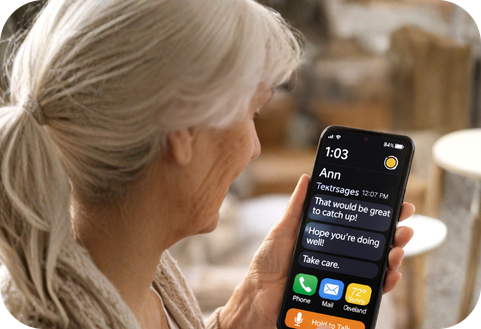
Step 3: Make the Device Senior-Friendly (This Changes Everything)
Before teaching apps, adjust settings so the phone works with the senior, not against them:
Increase font size and display scaling
Turn on “bold text” and high-contrast mode
Enable voice-to-text and speech features
Simplify the home screen (only essential apps)
Turn off unnecessary notifications
This is one of the fastest ways to reduce frustration.
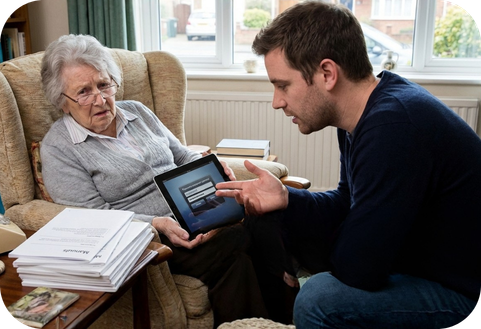
Step 4: Teach With Kindness (Not Correction)
Here’s the biggest intergenerational mistake: teaching like a test.
Avoid:
“I already showed you this.”
“It’s simple.”
“Just tap it.”
“No, not that.”
Try:
“Let’s do it together one more time.”
“You’re doing great this part is tricky for everyone.”
“Want me to write the steps down?”
“We’ll go slow.”
Tone matters. Seniors often remember how the interaction felt more than the steps themselves.
Step 5: Use the “Watch Me, Do It, Teach Back” Method
A simple learning loop works extremely well:
Watch me (you demonstrate slowly)
Do it (they repeat while you guide)
Teach back (they explain it in their own words)
This builds confidence and makes learning stick.
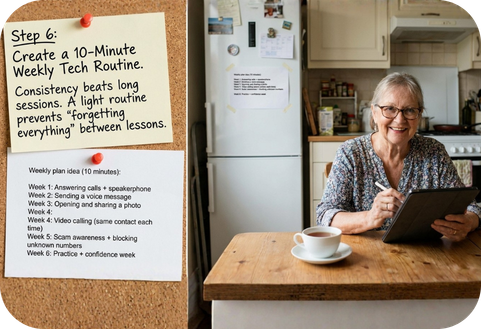
Step 6: Create a 10-Minute Weekly Tech Routine
Consistency beats long sessions. A light routine prevents “forgetting everything” between lessons.
Weekly plan idea (10 minutes):
Week 1: Answering calls + speakerphone
Week 2: Sending a voice message
Week 3: Opening and sharing a photo
Week 4: Video calling (same contact each time)
Week 5: Scam awareness + blocking unknown numbers
Week 6: Practice + confidence week
Programs and organizations focused on older adult digital inclusion emphasize structured practice and accessible support (NCOA resource hub).
Step 7: Make Safety Part of the Lesson (Not an Afterthought)
Seniors deserve connection but also protection.
Teach these basics early:
Don’t click unknown links
Don’t share verification codes
Don’t trust “urgent” payment requests
Use strong passwords (or a password manager)
Enable two-factor authentication when possible
When unsure: “pause and ask a trusted person”
This matters because older adults are frequently targeted by fraud, which is why the FTC regularly publishes updates on protecting older consumers (FTC).
Step 8: Bridge the Communication Gap Between Generations
Younger people often communicate in short bursts texts, quick reactions, short video calls. Many seniors still value longer phone calls and slower conversations.
Here’s a healthy compromise:
Use tech to start connection (a message or short call)
Follow up with a real conversation (phone call or in-person)
Keep a predictable schedule (“Sunday evening call”)
This supports the broader idea that social connection is a key driver of health outcomes, as emphasized by public health guidance (CDC).
Step 9: Help Seniors Feel Proud (Not “Behind”)
A quiet but powerful shift: stop framing tech learning as catching up.
Instead, frame it as:
“You’re learning a modern tool like learning to drive was in your generation.”
“This is a new language. You’re becoming bilingual.”
Also celebrate small wins:
First video call
First shared photo
First time blocking a spam caller
Confidence grows when progress is recognized.
Step 10: Support Seniors With Simple Learning Tools
Helpful supports include:
A printed “cheat sheet” with 5–7 steps (big font)
One consistent app for calls and messages
One trusted family contact pinned at the top
A “practice buddy” (grandchild, neighbor, caregiver)
Community resources and senior tech programs (NCOA guidance).
And if seniors are willing, direct them to age-friendly guides like the National Institute on Aging’s technology toolkit (NIA).
Digital Platforms and AI Companions: A New Layer of Support for Seniors
Digital platforms and AI companions are emerging as valuable tools to support seniors in staying socially connected and mentally engaged. As internet use among adults aged 65+ continues to grow technology is increasingly becoming part of daily life (Pew Research Center, 2024). AI-powered companions can provide conversation, reminders, and gentle engagement, helping reduce feelings of isolation. Given that social connection plays a key role in overall health and well-being (CDC, 2024), thoughtfully designed digital platforms can complement family interaction and create safe, accessible spaces for seniors to connect.
ReComune’s Effectiveness: Ending Loneliness for Seniors Through Safe, Non-Judgmental Connection
Even with family support, seniors can feel isolated especially at night, after losing a spouse, or when mobility limits social activity. That’s where the right platform can make a difference.
ReComune is built to help seniors feel connected in a safe space that’s non-judgmental and designed to be scam-aware which matters given how often older adults are targeted online (FTC).
Key ways ReComune helps:
ReComune Call: Seniors can talk anytime, reducing the “silent hours” that often deepen loneliness.
ReComune AI Companion: A friendly conversational companion that supports engagement and emotional comfort when a human connection isn’t immediately available.
Community-first design: Encourages connection without fear of judgment, helping seniors participate at their own pace.
This aligns with public health emphasis that improving social connection can reduce health risks related to isolation (CDC).
Key Takeaways
The tech gap is usually about confidence, comfort, and design not ability.
Start with meaningful goals (family connection, safety, independence).
Teach slowly, repeat kindly, and practice in small weekly routines.
Build safety skills early because scam risk is real (FTC).
Use supportive platforms like ReComune to reduce loneliness through safe connection and on-demand conversation.
Final Thoughts
Bridging the technology gap between generations is not really about devices it’s about dignity, patience, and connection. When seniors feel supported instead of rushed, technology becomes less intimidating and more empowering. A simple video call, a shared photo, or the ability to recognize a scam message can restore confidence and independence. It’s also important to remember that learning works best when it feels safe and encouraging.
Gentle guidance, repetition without frustration, and celebrating small milestones make a lasting difference. Over time, what once felt confusing can become familiar. Most importantly, technology should never replace human warmth it should strengthen it. When used thoughtfully, digital tools can help seniors stay connected, protected, and engaged in a rapidly changing world.
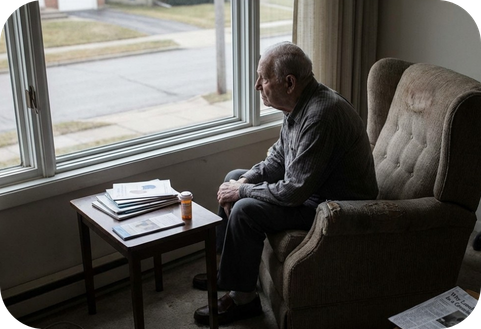
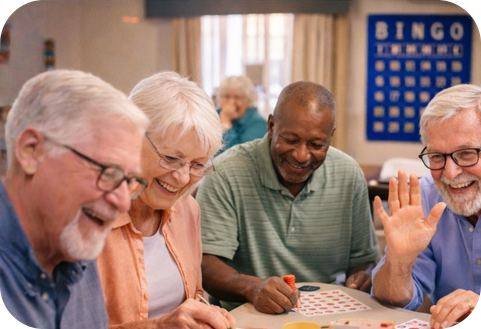
The image of a senior centre used to mean bingo nights, community lunches, and group exercise classes in a local hall. For decades, these physical spaces served as lifelines for older adults offering friendship, activity, and belonging. Research consistently shows that social engagement plays a critical role in healthy aging and emotional well-being (CDC, 2024). Today, that same sense of connection is increasingly happening online. Welcome to the era of virtual communities for seniors digital gathering spaces redefining how older adults socialize, learn, and stay emotionally connected.
As mobility challenges, geographic distance, and changing lifestyles reshape aging, online senior communities are becoming the modern version of traditional senior centres. This shift is especially important given that 1 in 3 older adults report feeling lonely or socially isolated (University of Michigan National Poll on Healthy Aging). With internet adoption among adults 65+ steadily increasing (Pew Research Center, 2024). Digital platforms are now positioned to meet this growing need. Platforms like ReComune demonstrate that the shift isn’t just digital it’s safer, more inclusive, and intentionally designed to combat loneliness while fostering meaningful connection in a secure online environment.
Why Virtual Communities Are the New Senior Centres
Virtual communities are the new senior centres because they provide social connection, emotional support, and mental engagement without geographic limitations. As loneliness rises among older adults and internet adoption increases, online platforms offer safe, accessible, and inclusive spaces for seniors to stay connected, active, and supported.
Why Loneliness Among Seniors Is a Growing Health Concern
Social isolation is not just an emotional issue it’s a public health concern. According to the University of Michigan’s National Poll on Healthy Aging, about 1 in 3 older adults report feeling lonely or socially isolated (University of Michigan). The Centers for Disease Control and Prevention (CDC) further emphasizes that social connection plays a critical role in mental and physical health. Strong social relationships can reduce risks of depression, anxiety, heart disease, and cognitive decline (CDC).
For seniors who:
Live alone
Have limited mobility
Have lost a spouse
Are geographically distant from family
The risk of isolation increases dramatically. Traditional senior centres once filled that gap but not every older adult can access them. Transportation barriers, health limitations, or simply living in rural areas can make participation difficult. That’s where virtual senior centres are stepping in.
The Digital Shift: Seniors Are More Connected Than Ever
One outdated myth is that seniors don’t use the internet. In reality, internet adoption among older adults has grown steadily. According to Pew Research Centre, a majority of adults aged 65+ now use the internet, and many own smartphones (Pew Research, 2024). This digital shift creates an opportunity. If seniors are online, why not build meaningful communities there?
Virtual communities for seniors allow:
Daily conversation
Interest-based groups
Emotional support
Educational programs
Safe social interaction
Unlike traditional senior centres that operate during set hours, online communities are available anytime.
From Bingo Nights to Digital Chats: How Senior Centres Evolved
Traditional senior centres offered:
Social events
Group activities
Peer support
Educational workshops
Wellness programs
Virtual communities now replicate and often enhance these offerings by providing:
Video calls and chat rooms
Interest-based discussion groups
Online hobby classes
Memory games and mental exercises
Digital companionship
The difference? Accessibility.
A senior with limited mobility can join a virtual discussion group from their living room. A caregiver can help their parent connect without arranging transportation. A widow living alone can find meaningful conversation at any hour of the day. Virtual communities remove barriers while preserving connection.
The Importance of Safe Online Spaces for Seniors
While the internet creates opportunities, it also carries risks. Online scams targeting older adults have increased dramatically. According to the Federal Trade Commission (FTC), fraud losses reported by adults aged 60+ reached $2.4 billion in 2024, highlighting the vulnerability of seniors online (FTC, 2025). This is why safe social platforms for seniors are essential.
A true virtual senior centre must provide:
Moderated conversations
Scam prevention safeguards
Verified community spaces
Respectful, non-judgmental interaction
Without safety, connection cannot flourish.
How ReComune Reinvents the Senior Centre—Safely
Among emerging online senior communities, ReComune stands out by prioritizing safety, belonging, and emotional well-being.
A Safe, Scam-Free Environment
Given the rise in online fraud, seniors need digital spaces built with protection in mind. ReComune focuses on creating a scam-free community for seniors, reducing exposure to suspicious interactions and harmful behaviors. Unlike open social media platforms, ReComune emphasizes structured, moderated engagement designed specifically for older adults.
A Non-Judgmental Community Culture
Many seniors hesitate to join online spaces because they fear embarrassment, technological confusion, or judgment.
ReComune fosters:
Patience
Kind communication
Inclusive conversation
Respectful dialogue
This non-judgmental approach encourages participation from seniors who may otherwise withdraw socially.
Ending Loneliness Through Real-Time Connection
One of the most powerful features is ReComuneChat, which allows seniors to talk anytime. For older adults living alone, late evenings can feel especially isolating. The ability to initiate conversation on demand reduces emotional distress and provides comfort during vulnerable moments. The CDC highlights that strong social connection improves overall mental health (CDC, 2024). ReComune directly supports that need.
The ReComune AI Companions
In addition to live conversation, ReComune offers an AI Companions—a friendly, supportive conversational presence that provides gentle engagement, reminders, and companionship. While it does not replace human interaction, it supplements it by:
Encouraging conversation
Reducing feelings of isolation
Offering consistent emotional engagement
For seniors who may not always have someone physically present, this digital companionship adds a layer of support.
Who Benefits Most from Virtual Senior Communities?
Seniors Living Alone
Widowed or single seniors often experience the highest levels of isolation. Virtual communities provide daily interaction without requiring travel.
Seniors with Mobility Challenges
Health conditions can make leaving home difficult. Online senior centers ensure continued participation.
Rural Seniors
In remote areas, physical senior centers may be limited or nonexistent. Virtual platforms eliminate geographic barriers.
Caregivers Seeking Support
Caregivers can encourage parents to join safe digital spaces to reduce loneliness when family members are busy.
Mental and Emotional Benefits of Virtual Communities
Research consistently shows that social engagement protects cognitive and emotional health. The CDC notes that meaningful relationships can lower risks of depression and anxiety (CDC, 2024).
Virtual communities contribute to:
Improved mood
Reduced anxiety
Increased cognitive stimulation
Greater sense of belonging
Enhanced self-worth
Belonging is not optional—it’s essential.
Addressing Common Concerns About Online Communities
“Are seniors comfortable using technology?”
Yes—when platforms are designed with simplicity in mind. As Pew Research shows, internet use among older adults continues to rise (Pew Research, 2024).
“Is it safe?”
Safety depends on design. Platforms like ReComune prioritize scam prevention and moderated environments.
Virtual communities are not replacements, they are supplements. They ensure continuity of connection when physical gatherings are unavailable.
The Future of Senior Social Connection
The future of senior social connection is increasingly digital, inclusive, and accessible. As internet use among adults aged 65+ continues to grow (Pew Research Center, 2024), older generations are becoming more comfortable with smartphones, video calls, and online communities. This shift opens new opportunities to combat loneliness and strengthen emotional well-being. Health experts emphasize that social connection is vital for mental and physical health (CDC, 2024), and digital platforms are helping bridge gaps caused by distance or mobility challenges. Moving forward, senior engagement will likely blend in-person interaction with safe, supportive virtual communities designed specifically to foster belonging and meaningful relationships.
Tomorrow’s retirees:
Use smartphones
Video chat with grandchildren
Join online classes
Participate in digital discussions
The next evolution of senior centers will likely blend physical and digital experiences. But even today, virtual communities are already fulfilling critical social needs.
Safe, moderated platforms like ReComune provide scam-free, non-judgmental digital spaces for seniors.
Conclusion: Community Has No Age Limit—Or Zip Code
Community has never been about location it has always been about connection. While traditional senior centres created meaningful spaces for friendship and engagement, today’s digital world allows that same sense of belonging to extend beyond physical walls. Virtual communities ensure that no senior feels excluded due to distance, mobility challenges, or changing life circumstances. With safe, inclusive, and thoughtfully designed platforms like ReComune, older adults can experience companionship, conversation, and support anytime they need it. Aging should never mean isolation. No matter where someone lives, meaningful connection, dignity, and belonging should always remain within reach. Senior centres were never just buildings.
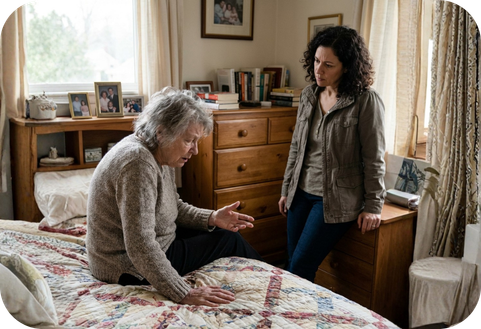
Communicating with someone who has Alzheimer’s disease can be challenging, emotional, and at times confusing. As memory fades and cognitive abilities change, words that once seemed harmless can suddenly cause anxiety, frustration, or even emotional pain. If you’re caring for a loved one or supporting someone with dementia, understanding what not to say to someone with Alzheimer’s is just as important as knowing what to say. Thoughtful communication can reduce agitation, build trust, and improve quality of life.
According to the Alzheimer’s Association, more than 6 million Americans are living with Alzheimer’s disease, and that number continues to grow. Compassionate communication is one of the most powerful tools caregivers have. This blog explains what phrases to avoid, why they can be harmful, and what to say instead.
Why Communication Matters in Alzheimer’s Care
Alzheimer’s affects memory, reasoning, language, and emotional regulation. However, emotions often remain strong even when memories fade. Research published by the National Institute on Aging (NIA) shows that people with dementia may forget facts, but they often remember how someone made them feel. Negative or corrective language can lead to distress, confusion, and withdrawal.
Using supportive, calm, and respectful language helps maintain dignity and reduces behavioral symptoms such as agitation or aggression.
“Don’t You Remember?”
Asking “Don’t you remember?” can unintentionally highlight memory loss and create feelings of embarrassment or frustration. Individuals with Alzheimer’s often cannot retrieve information despite effort, and being reminded of this difficulty may increase anxiety and withdrawal (Alzheimer’s Association). Instead, offer gentle reminders and reassurance to maintain dignity and emotional comfort.
Why It’s Harmful:
Emphasizes failure
Causes anxiety
May trigger defensive behavior
What to Say Instead:
“Let me remind you.”
“That’s okay, I’ll tell you.”
“We talked about it earlier, and here’s what we decided.”
The goal is reassurance, not correction.
“I Just Told You That.”
Repetition is a hallmark symptom of Alzheimer’s. Asking the same question multiple times is not intentional it’s part of the disease. According to dementia care guidelines from the Alzheimer’s Society UK, correcting repetitive behavior can increase agitation.
Why It’s Harmful:
Sounds impatient
Makes the person feel like a burden
Increases stress
Better Response:
Answer calmly even if it’s the tenth time. You can also gently redirect the conversation.
Example: “That’s a good question. Dinner is at 6 pm.”
Consistency and tone matter more than the words themselves.
“You’re Wrong.”
Direct confrontation rarely works.
If someone with Alzheimer’s insists on something inaccurate such as believing they need to go to work when they retired years ago correcting them harshly can escalate distress. The concept of validation therapy, supported by dementia communication experts, encourages meeting the person where they are emotionally rather than correcting facts. Learn more about validation techniques from the (Alzheimer Society of Canada).
Instead Say:
“Tell me about your job.”
“You really enjoyed working there, didn’t you?”
Redirect rather than argue.
“That Never Happened.”
Memory distortions or confabulations are common in mid to late-stage Alzheimer’s.
Even if something didn’t happen, it feels real to them.
Why Avoid This:
Dismisses their reality
Creates mistrust
Can increase paranoia
Try:
“That sounds upsetting. Tell me more about it.”
Focus on emotions rather than facts.
“Why Can’t You…?”
Questions like:
“Why can’t you remember?”
“Why are you doing that?”
“Why are you acting like this?”
These questions imply blame.
Alzheimer’s is a neurological disease not a choice. The World Health Organization explains that dementia symptoms result from physical changes in the brain.
Replace With:
“Let’s try this together.”
“How can I help?”
Shift from criticism to collaboration.
“You’re Fine.”
If someone expresses fear, confusion, or discomfort, dismissing their feelings can be harmful.
Even if their fear seems irrational, the emotion is real.
“I see that you’re worried.”
“I’m here with you.”
“You’re safe.”
Emotional reassurance is more effective than logical correction.
“Remember When…?” (Without Context)
While reminiscing can be helpful, open-ended memory tests can cause frustration.
Instead of: “Do you remember our trip in 1985?”
Try: “I was looking at a photo from our beach trip. We had so much fun watching the sunset.”
Provide cues instead of quizzes. Reminiscence therapy is widely recommended by dementia experts and supported by research in geriatric psychology.
“Let Me Do That.”
Taking over tasks too quickly can reduce independence and confidence. Even in early stages, many individuals with Alzheimer’s can still perform daily activities with guidance. The National Institute on Aging recommends encouraging independence whenever safely possible.
Better Alternative:
“Would you like help with that?”
Support autonomy whenever you can.
“You Already Asked That.”
Repetition is not intentional manipulation it’s memory loss.
Correcting it bluntly may lead to embarrassment.
Instead:
Answer calmly.
Write the answer down.
Use visual reminders.
Patience preserves dignity.
Speaking in a Childlike Tone
This is sometimes called “elderspeak.”
Using baby talk or exaggerated tones may feel natural, but it can feel disrespectful. A study published in The Gerontologist found that patronizing speech increases resistance in dementia patients.
Instead:
Use:
A calm voice
Simple sentences
Respectful tone
Speak as you would to any adult with clarity and kindness.
What You Should Say to Someone With Alzheimer’s
When speaking with someone who has Alzheimer’s, use calm, clear, and reassuring language that prioritizes emotional safety. Short sentences, gentle reminders, and validating phrases like “I’m here with you” help reduce anxiety and confusion. Supportive communication improves trust and decreases behavioral distress (mhcca.ca). Now that we’ve covered what not to say, here are communication strategies that help:
1. Use Short, Clear Sentences
Avoid complex instructions.
2. Maintain Eye Contact
Non-verbal communication matters deeply.
3. Offer Gentle Reassurance
“I’m here with you.”
4. Use Names Frequently
It creates familiarity and security.
5. Focus on Feelings, Not Facts
Emotion-first communication reduces agitation.
The Emotional Impact of Words in Dementia Care
Words carry significant emotional weight for individuals living with dementia. Although memory and reasoning abilities decline, emotional awareness often remains relatively preserved. Research suggests that people with Alzheimer’s may retain emotional responses even when they cannot recall the specific event that caused them (National Institutes of Health).
This means a harsh tone or dismissive comment can trigger anxiety, sadness, or agitation long after the conversation itself is forgotten. Studies in dementia care also show that respectful, validating communication reduces behavioral symptoms and distress (MentalHealth.com). Therefore, speaking calmly, maintaining eye contact, and acknowledging feelings are essential strategies for promoting emotional safety and trust. Kindness is not just compassionate it’s therapeutic.
Supporting Communication Through Technology
Modern tools are helping families communicate better with loved ones who have Alzheimer’s. For example, platforms like ReComune focus on ending loneliness and strengthening connection through accessible communication. Through ReComune Call, seniors can talk anytime, reducing isolation and anxiety. The ReComune AI Companion provides gentle conversation, reminders, and emotional engagement helping individuals feel heard and supported, especially when caregivers are unavailable. Technology should never replace human care but it can enhance connection and reduce emotional distress.
Final Thoughts: Words Matter More Than Ever
When caring for someone with Alzheimer’s, communication becomes one of the most powerful tools you have. Words can either calm or confuse, comfort or frustrate. As memory fades, emotional sensitivity often increases, making tone, patience, and empathy more important than ever. Instead of correcting mistakes or pointing out forgetfulness, focus on reassurance and validation. Simple phrases like “I’m here with you” or “You’re safe” can make a profound difference. Alzheimer’s may change cognitive abilities, but it does not remove the need for respect, dignity, and compassion. Thoughtful communication strengthens trust, reduces anxiety, and preserves meaningful connection every day.
As people age, occasional forgetfulness such as misplacing keys or forgetting names can feel unsettling. While these changes are often a normal part of aging, maintaining strong cognitive health becomes increasingly important, especially given the growing prevalence of Alzheimer’s disease and other forms of dementia. According to the World Health Organization, more than 55 million people worldwide are living with dementia, with Alzheimer’s accounting for 60–70% of cases (WHO, 2023).
Although there is currently no cure for Alzheimer’s, extensive research shows that regular memory exercises and mentally stimulating activities can help slow cognitive decline, strengthen neural connections, and reduce the risk of developing dementia (Alzheimer’s Association). For seniors, staying mentally active is just as vital as maintaining physical health. This blog explores the best memory exercises for seniors, explains why they work, and highlights how modern technology including ReComune can play a supportive role in protecting brain health.
Why Memory Exercises Matter for Seniors
The human brain retains the ability to adapt and form new connections throughout life, a phenomenon known as neuroplasticity (National Institutes of Health). Memory exercises stimulate this adaptability by engaging multiple areas of the brain, encouraging stronger communication between neurons. Studies suggest that seniors who regularly participate in cognitively stimulating activities have a lower risk of Alzheimer’s disease and experience slower memory decline compared to those who remain mentally inactive (Semantic Scholar). These exercises also improve attention, problem-solving skills, and emotional well-being.
Puzzles and Brain Games
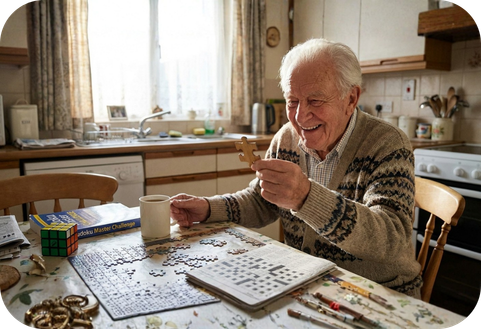
Puzzles are one of the most accessible and effective ways to keep the brain sharp. Puzzles and brain games stimulate memory, attention, and reasoning by challenging the brain to recognize patterns and solve problems. Regular activities such as crosswords, Sudoku, and jigsaw puzzles are linked to slower cognitive decline and better mental agility in older adults (www.heart.org).
Examples:
Crosswords
Sudoku
Jigsaw puzzles
Word search games
Logic and number puzzles
Engaging in puzzles challenges memory, reasoning, and pattern recognition. A large study published that older adults who regularly played word and number games experienced cognitive function equivalent to people 10 years younger in certain areas of memory (ScienceDaily). Rotate puzzle types to stimulate different parts of the brain rather than sticking to just one.
Learning New Skills
Learning new skills stimulates neuroplasticity by encouraging the brain to form new neural connections. Activities such as learning a language, playing a musical instrument, or acquiring digital skills have been shown to improve memory, attention, and cognitive resilience in older adults, potentially lowering dementia risk (Taylor & Francis Online).
Effective activities include:
Learning a new language
Playing a musical instrument
Painting or drawing
Cooking unfamiliar recipes
Using new technology
Research from the Journal of Cognitive Neuroscience shows that seniors who learned new skills experienced significant improvements in memory and attention compared to those who engaged only in familiar activities (Association for Psychological Science). The key is challenge activities should be engaging but not frustrating.
Reading and Story Recall
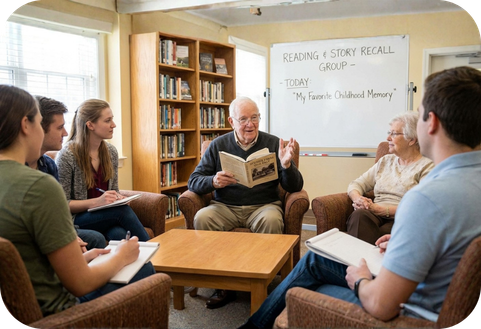
Reading and recalling stories activate language, comprehension, and memory centers of the brain. Regular reading, followed by summarizing or discussing content, helps maintain cognitive function and delays memory decline in seniors by keeping the brain mentally engaged and stimulated (Ace Alzheimer Center Barcelona).
How to practice:
Read books, newspapers, or magazines daily
Summarize chapters aloud
Discuss storylines with friends
Write short reflections or reviews
According to the Alzheimer’s Association, frequent reading helps delay the onset of memory loss by keeping language and comprehension centers active (Alzheimer’s Research UK).
Physical Exercise with Mental Engagement
Combining physical movement with mental focus such as dancing, tai chi, or coordinated exercises enhances blood flow to the brain and strengthens memory-related regions. Research shows that this dual engagement significantly improves cognitive performance and reduces the risk of age-related memory decline in older adults (ScienceDirect.com).
Recommended activities:
Dancing
Tai Chi
Yoga
Walking while counting steps or naming objects
Aerobic exercises with coordination
A study in Neurology found that seniors who combined physical and mental activities had a 35% lower risk of cognitive decline than inactive individuals (National Institutes of Health).
Social Interaction and Group Activities
Social interaction and group activities stimulate memory, communication, and emotional processing while reducing loneliness, a known risk factor for dementia. Participating in group discussions, board games, or community activities helps seniors maintain cognitive resilience and slows memory decline by keeping the brain socially and mentally active (National Institutes of Health).
Examples:
Group discussions
Board games with friends
Book clubs
Community volunteering
Family storytelling sessions
Loneliness has been identified as a significant risk factor for dementia (National Institute on Aging). Regular social interaction helps counter depression, which is also linked to accelerated cognitive decline.
Memory Training Techniques
Memory training techniques strengthen recall and attention by teaching the brain structured ways to process and store information. Methods such as mnemonic devices, visualization, repetition, and chunking have been shown to improve everyday memory performance and cognitive confidence in older adults, supporting long-term brain health and functional independence (National Institutes of Health).
Proven techniques include:
Mnemonic devices (associating information with images or phrases)
Visualization exercises
Chunking information into smaller groups
Repetition and spaced recall
Clinical trials show that structured memory training programs can improve daily functioning and confidence in older adults (PNAS).
Mindfulness and Meditation
Mindfulness and meditation improve memory and attention by reducing stress, which negatively affects brain health. Regular practice enhances focus, emotional regulation, and gray matter density in brain regions associated with learning and memory, helping seniors slow cognitive decline and maintain mental clarity as they age (Frontiers).
Benefits include:
Improved focus
Reduced anxiety
Better emotional regulation
A study in Psychiatry Research found that seniors who practiced mindfulness meditation showed improved memory and increased gray matter density in areas associated with learning (National Institutes of Health).
Technology and Cognitive Health: The Role of ReComune
ReComune plays a vital role in supporting individuals with Alzheimer’s at different stages by addressing one of the biggest risk factors loneliness. ReComune works to end loneliness by creating opportunities for meaningful connection and regular social interaction. Through ReComune Call, seniors can talk to someone anytime, reducing feelings of isolation, anxiety, and confusion.
The ReComune AI Companion offers friendly conversation, reminders, and emotional support, helping seniors feel heard and connected, especially when human interaction is limited. In early stages, this supports cognitive engagement; in later stages, it provides comfort, familiarity, and reassurance, improving emotional well-being and overall quality of life. Technology like ReComune does not replace human connection it enhances it, making memory-boosting though calls more accessible and consistent for seniors.
Daily Memory Habits That Make a Difference
Consistent daily habits play a vital role in preserving memory and cognitive function. Practices such as journaling, maintaining regular sleep schedules, healthy nutrition, and limiting multitasking support brain health. Research shows that combining positive lifestyle habits with mental stimulation significantly reduces the risk of cognitive decline and dementia in older adults (National Institutes of Health).
Healthy memory habits:
Keeping a daily journal
Maintaining regular sleep patterns
Following a Mediterranean-style diet
Limiting multitasking
Staying curious
Lifestyle studies show that combining mental exercises with healthy routines provides the strongest protection against Alzheimer’s disease (ScienceDirect.com).
Final Thoughts
Maintaining memory and cognitive health in later life requires a proactive and holistic approach. While aging naturally brings changes to the brain, regular mental stimulation, physical activity, social engagement, and mindful daily habits can significantly slow cognitive decline. Memory exercises such as puzzles, learning new skills, reading, and mindfulness practices help strengthen neural connections and build cognitive resilience. Equally important is staying socially connected and emotionally supported, as isolation and chronic stress are known contributors to memory loss.
Advances in technology like ReComune makes these protective activities more accessible, allowing seniors to engage consistently and meaningfully. By adopting these evidence-based strategies and making brain health a daily priority, older adults can enhance their quality of life, preserve independence, and reduce the risk of Alzheimer’s disease. The earlier and more consistently these habits are practiced, the greater their long term benefits for cognitive well-being.
Alzheimer’s disease is one of the most prevalent and challenging neurological conditions affecting seniors today. Millions of older adults experience the gradual decline of memory, cognitive abilities, and daily functioning, making compassionate and professional care essential for their safety, well-being, and quality of life. Families and caregivers often struggle to balance the emotional and physical demands of supporting loved ones while maintaining their own well-being, which is why specialized Alzheimer’s care services are crucial (Alzheimer’s Association).
ReComune has developed a solution for Alzheimer’s care, offering programs that support cognitive health, emotional well-being, social engagement, and caregivers. By combining AI technology with empathy and human-centered care, ReComune aims to make Alzheimer’s support more holistic and compassionate.
Understanding Alzheimer’s and Its Impact on Seniors
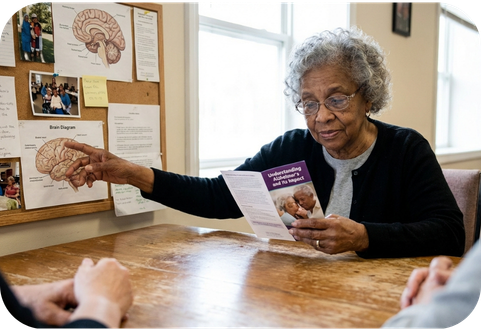
Alzheimer’s disease is a progressive neurological disorder that profoundly affects seniors, gradually impairing memory, thinking, and reasoning skills. Beyond memory loss, seniors may experience confusion, disorientation, and difficulty performing daily tasks such as dressing, cooking, or managing medications. The emotional impact is equally significant, often leading to anxiety, frustration, or depression as independence diminishes. Families and caregivers also feel the weight of these changes. Understanding Alzheimer’s and its multi-faceted effects is critical for providing compassionate, effective care. With this knowledge, programs like ReComune can tailor support to improve quality of life and preserve dignity for seniors at various stages of the disease. These changes can significantly impact not only the individual but also their families and caregivers.
Cognitive Decline: Seniors may experience memory lapses, difficulty recognizing familiar people, and disorientation in time and space (Mayo Clinic, 2023).
Emotional Challenges: Anxiety, depression, and frustration are common as seniors struggle to maintain independence.
Daily Life Impact: Simple tasks like cooking, dressing, and managing medications become increasingly difficult, requiring structured support.
Given these challenges, high-quality Alzheimer’s care is essential for maintaining a senior’s safety, comfort, and emotional well-being.
What Makes ReComune Different in Alzheimer’s Care
ReComune has redefined the approach to Alzheimer’s care by combining personalized chats ,safe social engagement, and innovative technologies to support seniors and their families.
1. Personalized Chats
ReComune‘s Personalized Chats are designed around each senior’s unique life experiences and daily conversations. With the senior’s consent, ReComune gently remembers past discussions and revisits them later whether it’s asking about an event they mentioned, reminding them of a task, or continuing a meaningful conversation. These chats focus on the individual’s personal stories, routines, and preferences, creating a familiar and comforting experience. All shared information is handled with care, ensuring a safe, respectful, and private environment for seniors. By turning everyday conversations into supportive interactions, ReComune helps seniors feel understood, valued, and connected, while offering gentle cognitive stimulation through personalized reminders and thoughtful follow-ups.
2. Emphasis on Social Engagement
Loneliness and social isolation are significant challenges for seniors living with Alzheimer’s disease. ReComune focuses on fostering social connections through regular calls and chats, helping seniors feel connected and supported. Studies have shown that social engagement can help slow cognitive decline and improve mental health (National Institutes of Health). ReComune’s approach emphasizes that effective care goes beyond managing symptoms it also focuses on enhancing overall quality of life by promoting emotional well-being, meaningful interaction, and a sense of companionship.
3. Recalling Memory of Seniors
ReComune emphasizes memory recall as a key component of cognitive and emotional support. Through memory exercises and storytelling sessions seniors are encouraged to reconnect with past experiences, which can enhance cognitive function, emotional stability, and self-identity.
Memory recall activities also foster meaningful conversations with caregivers and family members, strengthening bonds and improving quality of life. By integrating these exercises into daily routines, ReComune ensures seniors remain engaged, valued, and emotionally connected (ReComune 2025).
4. ReComune Call Check-Ins for Peace of Mind and Supports for families
Caring for a senior with Alzheimer’s can be physically and emotionally demanding, often leaving caregivers feeling overwhelmed and isolated (Alzheimer’s Association). ReComune alleviates this burden by providing ReComune Call Check-Ins, offering regular updates on seniors’ mood, engagement, and daily activities. These check-ins help families stay informed, reduce anxiety, and balance their busy lives, knowing their loved ones are safe, stimulated, and content. By maintaining communication and providing emotional reassurance, ReComune ensures families feel supported and confident in the care their seniors receive.
5. ReComune Keeping Senior Memories Alive for the Next Generation
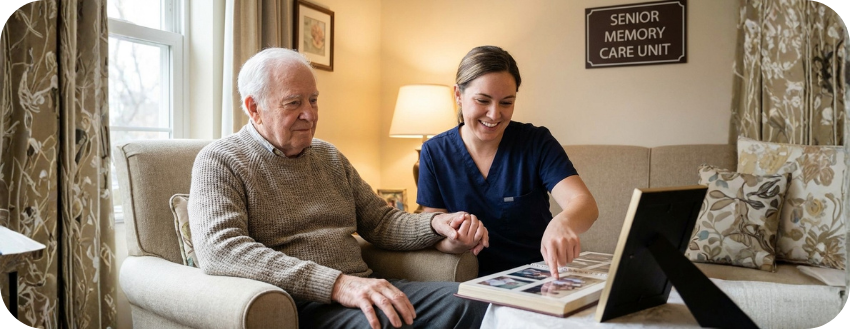
ReComune helps seniors reconnect with their memories by uploading photos from meaningful life events. Using these images, ReComune’s AI Companions gently engage seniors by asking thoughtful, personalized questions that encourage memory recall and emotional connection. These conversations help seniors relive important moments from their past while feeling heard and valued.
Over time, the ReComune transforms these shared memories into beautifully crafted stories, created in the senior’s own narration enriched with their personal photographs. These stories are not only meaningful for seniors but also serve as a lasting legacy for future generations, allowing families to preserve emotions, experiences, and wisdom that might otherwise be lost. Through technology and empathy, ReComune bridges the gap between memory, storytelling, and connection.
How ReComune Supports Caregivers
Caring for a loved one with Alzheimer’s can be emotionally and physically demanding, often leading to caregiver stress and burnout(Alzheimer’s Association). ReComune supports caregivers by providing AI Companions that offer consistent, positive engagement, giving caregivers valuable moments of relief and peace of mind. While caregivers manage daily responsibilities, ReComune AI Companions remain available for conversations, emotional support, and gentle reminders, ensuring seniors are never alone.
ReComune also helps reduce emotional strain by fostering a calm, reassuring environment. The AI Companions are designed to respond with empathy, positivity, and encouragement, helping lift moods and promote emotional stability. By supporting seniors’ emotional well-being and maintaining regular engagement, ReComune allows caregivers to feel supported rather than overwhelmed, creating a healthier and more balanced caregiving experience for everyone involved.
How ReComune Ensures Safety and Dignity
ReComune is built with a strong commitment to protecting the safety, dignity, and emotional well-being of seniors. The AI Companions are designed to respond gracefully, patiently, and without judgment, allowing seniors to express themselves freely and confidently. Every interaction is handled with respect, ensuring that seniors feel valued, understood, and emotionally secure.
The ReComune platform provides a safe and scam-free environment, protecting seniors from misleading information, unwanted contacts, and harmful interactions. Conversations remain focused on support, companionship, and positivity, creating a trusted space for meaningful engagement. By combining empathetic communication with robust safety measures, ReComune empowers seniors to maintain their independence, self-respect, and peace of mind while enjoying reliable companionship.
ReComune’s Focus on Cognitive Health
ReComune places cognitive health at the core of its mission by encouraging regular mental engagement, emotional expression, and meaningful interaction. Through ongoing conversations, ReComune AI Companions stimulate thinking, language skills, and memory recall by asking thoughtful questions and revisiting past discussions with the user’s consent. These personalized interactions help keep the mind active while respecting each senior’s pace and comfort level.
ReComune also supports emotional well-being, which plays a vital role in cognitive health. By offering empathetic, positive, and reassuring conversations, the platform helps reduce stress, anxiety, and feelings of isolation factors often linked to cognitive decline. With consistent mental stimulation, emotional support, and a safe environment, ReComune helps seniors maintain clarity, confidence, and cognitive resilience over time.
Regular interaction with ReComune AI Companions can positively influence cognitive health by encouraging conversation, memory recall, and emotional engagement. Speaking regularly helps keep the mind active, supports language skills, and stimulates thinking processes. Sharing feelings and experiences can reduce stress and anxiety, which are closely linked to cognitive decline. By promoting consistent mental stimulation and emotional well-being, ReComune AI Companions help seniors maintain mental clarity, confidence, and a positive outlook. Over time, these supportive interactions may contribute to improved focus, emotional balance, and overall cognitive resilience, helping seniors stay mentally engaged and socially connected (ReComune, 2025).
Conclusion:
Alzheimer’s disease presents complex challenges that affect not only seniors but also their families and caregivers. As cognitive abilities change over time, compassionate, consistent, and supportive care becomes essential to preserving dignity, emotional well-being, and quality of life. ReComune addresses these needs by combining advanced AI technology with empathy-driven design to create a supportive ecosystem for seniors and those who care for them.
Through personalized chats, memory recall, social engagement, and constant emotional support, ReComune helps seniors stay mentally active, emotionally connected, and socially engaged. At the same time, caregivers benefit from reduced stress, reliable companionship for their loved ones, and greater peace of mind. By prioritizing safety, dignity, and cognitive health, ReComune goes beyond symptom management to support the whole person.
Ultimately, ReComune represents a compassionate step forward in Alzheimer’s care one that values human stories, emotional connection, and lifelong memories. By fostering positivity, understanding, and meaningful interaction, ReComune helps seniors live with comfort and confidence while supporting families on their caregiving journey.
Communication is one of the most meaningful and challenging aspects of caring for someone with Alzheimer’s disease. As memory, language, and cognitive processing change, conversations that once felt natural may become confusing, emotional, or frustrating for both seniors and their families. According to the Alzheimer’s Association, communication difficulties are among the most distressing symptoms reported by caregivers, often contributing to emotional strain and burnout (Alzheimer’s Association, 2023).
Yet, meaningful communication is still possible. With the right approach one rooted in empathy, patience, and understanding conversation can become a powerful source of comfort, trust, and emotional connection. This blog offers practical, evidence-based communication strategies to help families talk with loved ones living with Alzheimer’s while preserving dignity and emotional safety.
Why Communication Changes in Alzheimer’s
Communication changes in Alzheimer’s disease because the condition progressively damages brain regions responsible for language, memory, and information processing particularly the temporal and frontal lobes. As a result, individuals may struggle with word-finding, understanding complex sentences, or following conversations over time. Research from the Alzheimer’s Association shows that language difficulties often appear early and worsen as the disease progresses, contributing to frustration and withdrawal (Alzheimer’s Association, 2023).
Short-term memory loss also plays a major role. Seniors may forget what was just said, repeat questions, or lose track of a conversation mid-sentence. According to the National Institute on Aging, slower cognitive processing further affects the ability to respond quickly or accurately during communication (NIA, 2022). Emotional factors compound these challenges anxiety and confusion can heighten when communication feels overwhelming. Importantly, studies confirm that while verbal ability declines, emotional perception often remains intact, meaning tone, patience, and reassurance still strongly influence understanding and comfort (National Institutes of Health).
The Emotional Impact of Communication Breakdowns
When communication becomes difficult, seniors may feel embarrassed, anxious, or misunderstood. Families may feel helpless or impatient. Research published in Aging & Mental Health shows that negative communication experiences can increase agitation and withdrawal in people with dementia (LIDSEN Publishing Inc).
Conversely, positive communication has been shown to:
Reduce anxiety and agitation
Improve mood and cooperation
Strengthen trust and emotional security
Tone Matters More Than Words
Use a Calm, Reassuring Tone
Tone is often understood even when words are not. A calm, gentle voice signals safety. The Alzheimer’s Society emphasizes that a warm tone can reduce confusion and emotional distress, even if the message itself is not fully understood.
Avoid:
Raised voices
Rushed speech
Frustrated or corrective tones
Instead, speak slowly, warmly, and with reassurance.
Pacing: Slow Down the Conversation
Alzheimer’s slows cognitive processing. Giving seniors extra time to respond reduces pressure and frustration. The National Institute on Aging recommends pausing between sentences and allowing silence without rushing to fill it (NIH, 2023).
Helpful pacing tips:
Ask one question at a time
Avoid rapid topic changes
Allow time for responses
Silence is not failure it is processing.
Validation Over Correction
Avoid Correcting or Arguing
Correcting factual errors may seem helpful, but it often causes distress. The Alzheimer’s Association advises families to focus on validating emotions rather than correcting details (Alzheimer’s Association, 2023).
For example:
Instead of: “That didn’t happen.”
Try: “That sounds important to you.”
Validation builds trust, while correction often breaks it.
Create Comfort Through Familiar Conversation
Familiar topics feel safe. Long-term memories often remain intact longer than short-term ones. Research in Aging & Mental Health confirms that reminiscence-based conversation improves mood and communication in seniors with Alzheimer’s (ScienceDirect.com).
Helpful conversation starters include:
Childhood memories
Family traditions
Music or hobbies from earlier life
These conversations reinforce identity and emotional stability.
Use Simple, Clear Language
The Alzheimer’s Society recommends using short sentences and familiar words. Avoid metaphors, sarcasm, or abstract language, which can be confusing.
Instead of:
“Let’s get ready so we can head out soon.” Try:
“Please put on your shoes.”
Clarity reduces cognitive load and stress.
Non-Verbal Communication Is Powerful
Facial expressions, eye contact, and gentle gestures often communicate more than words. The National Institute on Aging notes that non-verbal cues remain meaningful even in later stages of Alzheimer’s (NIA, 2023).
Helpful non-verbal strategies:
Maintain eye contact
Smile gently
Use reassuring touch if appropriate
Your presence itself communicates safety.
Managing Repetition With Patience
Repetition is common in Alzheimer’s and often signals anxiety, not defiance. According to the Alzheimer’s Association, repeated questions may reflect a need for reassurance rather than information.
Helpful responses include:
Calmly answering again
Offering reassurance
Redirecting gently
Avoid saying: “I already told you.”
Handling Emotional Outbursts With Empathy
Agitation or emotional reactions often stem from confusion or fear. The World Health Organization emphasizes that emotional well-being is closely linked to behavioral symptoms in dementia (WHO, 2022).
When emotions rise:
Stay calm
Acknowledge feelings
Redirect attention gently
Emotional safety reduces escalation.
Consistency Builds Trust
Consistent communication patterns help seniors feel secure. Predictable routines, familiar voices, and regular check-ins reduce anxiety. The National Institute of Health confirms that routine-based interaction lowers agitation and improves cooperation (NIH, 2023).
Technology as a Supportive Communication Tool
When designed with seniors in mind, technology can strengthen communication rather than replace human connection. Simple, intuitive tools such as voice calls, video chats, and guided conversation platforms help reduce isolation and support emotional engagement. Research published in JMIR Aging found that seniors using communication-focused digital tools experienced lower loneliness and improved emotional well-being (Chen & Schulz).
The National Institute on Aging also notes that technology can support social interaction and cognitive engagement when it is easy to use and non-stressful (NIA, 2023). Importantly, effective technology prioritizes familiarity, predictability, and emotional safety. When used thoughtfully, digital tools become valuable companions that reinforce connection, consistency, and comfort for both seniors and their families.
ReComune is designed to support seniors through safe, empathetic, and consistent conversation, reducing isolation and emotional distress. By providing predictable, judgment-free interaction, ReComune reinforces many of the communication principles recommended by dementia experts.
Research shows that regular conversation supports emotional regulation and cognitive engagement in seniors. For families, this means less pressure to be “perfect” communicators and more confidence that their loved one is emotionally supported.
What Families Should Avoid
When communicating with someone who has Alzheimer’s, certain well-intended behaviors can unintentionally increase confusion or distress. Families should avoid arguing about facts, correcting mistakes repeatedly, or quizzing memory, as these actions can make seniors feel embarrassed or inadequate. The Alzheimer’s Society warns that frequent correction may increase agitation and withdrawal rather than improve understanding.
It is also important to avoid rushing conversations, speaking in a patronizing tone, or talking over the person, as this can diminish dignity and trust. According to the National Institute on Aging, emotional frustration can interfere with comprehension and cooperation (NIA, 2023). Instead of focusing on accuracy, families should prioritize reassurance, patience, and emotional validation to maintain calm, respectful, and meaningful communication.
Avoid:
Arguing about facts
Quizzing memory
Rushing conversations
Talking over the senior
The Alzheimer’s Society warns that these behaviors can increase agitation and withdrawal. If communication difficulties lead to persistent distress, consulting a dementia care specialist or speech-language therapist can help. The American Speech-Language-Hearing Association notes that targeted communication strategies can significantly improve quality of life for both seniors and caregivers.
Conclusion: Communication Is Connection
Communication is far more than exchanging words it is a powerful way to maintain connection, dignity, and emotional security for someone living with Alzheimer’s. Even as memory and language abilities change, the need to feel heard, understood, and valued remains deeply human. Research from the Alzheimer’s Association emphasizes that compassionate communication can reduce anxiety, agitation, and feelings of isolation in people with dementia.
By focusing on tone, patience, validation, and emotional presence, families can transform everyday conversations into moments of comfort and trust. The National Institute on Aging notes that supportive communication strengthens emotional well-being and improves quality of life, even in later stages of the disease. Communication is not about correcting facts or testing memory it is about preserving relationship and reassurance. When families approach conversation with empathy and consistency, communication becomes a bridge that keeps connection alive, even as Alzheimer’s changes how words are expressed.