
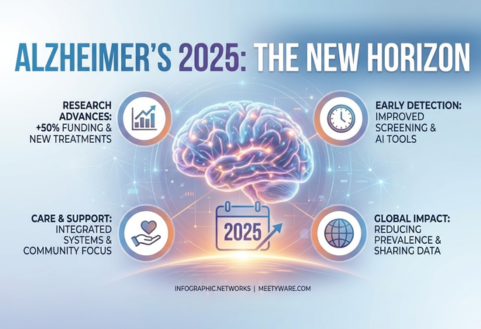
Alzheimer’s 2025: The New Horizon
ReComune
Updated on: 26 Feb 2026

Communication is one of the most meaningful and challenging aspects of caring for someone with Alzheimer’s disease. As memory, language, and cognitive processing change, conversations that once felt natural may become confusing, emotional, or frustrating for both seniors and their families. According to the Alzheimer’s Association, communication difficulties are among the most distressing symptoms reported by caregivers, often contributing to emotional strain and burnout (Alzheimer’s Association, 2023).
Yet, meaningful communication is still possible. With the right approach one rooted in empathy, patience, and understanding conversation can become a powerful source of comfort, trust, and emotional connection. This blog offers practical, evidence-based communication strategies to help families talk with loved ones living with Alzheimer’s while preserving dignity and emotional safety.
Communication changes in Alzheimer’s disease because the condition progressively damages brain regions responsible for language, memory, and information processing particularly the temporal and frontal lobes. As a result, individuals may struggle with word-finding, understanding complex sentences, or following conversations over time. Research from the Alzheimer’s Association shows that language difficulties often appear early and worsen as the disease progresses, contributing to frustration and withdrawal (Alzheimer’s Association, 2023).
Short-term memory loss also plays a major role. Seniors may forget what was just said, repeat questions, or lose track of a conversation mid-sentence. According to the National Institute on Aging, slower cognitive processing further affects the ability to respond quickly or accurately during communication (NIA, 2022). Emotional factors compound these challenges anxiety and confusion can heighten when communication feels overwhelming. Importantly, studies confirm that while verbal ability declines, emotional perception often remains intact, meaning tone, patience, and reassurance still strongly influence understanding and comfort (National Institutes of Health).
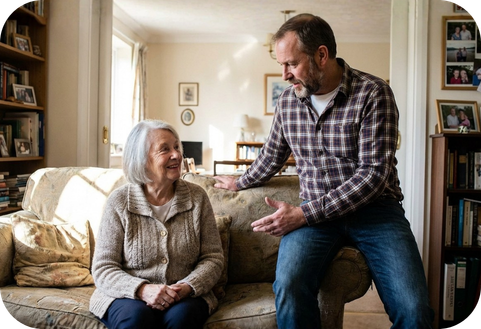
When communication becomes difficult, seniors may feel embarrassed, anxious, or misunderstood. Families may feel helpless or impatient. Research published in Aging & Mental Health shows that negative communication experiences can increase agitation and withdrawal in people with dementia (LIDSEN Publishing Inc).
Conversely, positive communication has been shown to:
Tone is often understood even when words are not. A calm, gentle voice signals safety. The Alzheimer’s Society emphasizes that a warm tone can reduce confusion and emotional distress, even if the message itself is not fully understood.
Avoid:
Instead, speak slowly, warmly, and with reassurance.
Alzheimer’s slows cognitive processing. Giving seniors extra time to respond reduces pressure and frustration. The National Institute on Aging recommends pausing between sentences and allowing silence without rushing to fill it (NIH, 2023).

Helpful pacing tips:
Silence is not failure it is processing.
Correcting factual errors may seem helpful, but it often causes distress. The Alzheimer’s Association advises families to focus on validating emotions rather than correcting details (Alzheimer’s Association, 2023).
For example:
Validation builds trust, while correction often breaks it.
Familiar topics feel safe. Long-term memories often remain intact longer than short-term ones. Research in Aging & Mental Health confirms that reminiscence-based conversation improves mood and communication in seniors with Alzheimer’s (ScienceDirect.com).

Helpful conversation starters include:
These conversations reinforce identity and emotional stability.
The Alzheimer’s Society recommends using short sentences and familiar words. Avoid metaphors, sarcasm, or abstract language, which can be confusing.
Instead of:
Clarity reduces cognitive load and stress.
Facial expressions, eye contact, and gentle gestures often communicate more than words. The National Institute on Aging notes that non-verbal cues remain meaningful even in later stages of Alzheimer’s (NIA, 2023).
Helpful non-verbal strategies:
Your presence itself communicates safety.
Repetition is common in Alzheimer’s and often signals anxiety, not defiance. According to the Alzheimer’s Association, repeated questions may reflect a need for reassurance rather than information.
Helpful responses include:
Avoid saying: “I already told you.”

Agitation or emotional reactions often stem from confusion or fear. The World Health Organization emphasizes that emotional well-being is closely linked to behavioral symptoms in dementia (WHO, 2022).
When emotions rise:
Emotional safety reduces escalation.
Consistent communication patterns help seniors feel secure. Predictable routines, familiar voices, and regular check-ins reduce anxiety. The National Institute of Health confirms that routine-based interaction lowers agitation and improves cooperation (NIH, 2023).
When designed with seniors in mind, technology can strengthen communication rather than replace human connection. Simple, intuitive tools such as voice calls, video chats, and guided conversation platforms help reduce isolation and support emotional engagement. Research published in JMIR Aging found that seniors using communication-focused digital tools experienced lower loneliness and improved emotional well-being (Chen & Schulz).
The National Institute on Aging also notes that technology can support social interaction and cognitive engagement when it is easy to use and non-stressful (NIA, 2023). Importantly, effective technology prioritizes familiarity, predictability, and emotional safety. When used thoughtfully, digital tools become valuable companions that reinforce connection, consistency, and comfort for both seniors and their families.

ReComune is designed to support seniors through safe, empathetic, and consistent conversation, reducing isolation and emotional distress. By providing predictable, judgment-free interaction, ReComune reinforces many of the communication principles recommended by dementia experts.
Research shows that regular conversation supports emotional regulation and cognitive engagement in seniors. For families, this means less pressure to be “perfect” communicators and more confidence that their loved one is emotionally supported.
When communicating with someone who has Alzheimer’s, certain well-intended behaviors can unintentionally increase confusion or distress. Families should avoid arguing about facts, correcting mistakes repeatedly, or quizzing memory, as these actions can make seniors feel embarrassed or inadequate. The Alzheimer’s Society warns that frequent correction may increase agitation and withdrawal rather than improve understanding.
It is also important to avoid rushing conversations, speaking in a patronizing tone, or talking over the person, as this can diminish dignity and trust. According to the National Institute on Aging, emotional frustration can interfere with comprehension and cooperation (NIA, 2023). Instead of focusing on accuracy, families should prioritize reassurance, patience, and emotional validation to maintain calm, respectful, and meaningful communication.
Avoid:
The Alzheimer’s Society warns that these behaviors can increase agitation and withdrawal. If communication difficulties lead to persistent distress, consulting a dementia care specialist or speech-language therapist can help. The American Speech-Language-Hearing Association notes that targeted communication strategies can significantly improve quality of life for both seniors and caregivers.
Communication is far more than exchanging words it is a powerful way to maintain connection, dignity, and emotional security for someone living with Alzheimer’s. Even as memory and language abilities change, the need to feel heard, understood, and valued remains deeply human. Research from the Alzheimer’s Association emphasizes that compassionate communication can reduce anxiety, agitation, and feelings of isolation in people with dementia.
By focusing on tone, patience, validation, and emotional presence, families can transform everyday conversations into moments of comfort and trust. The National Institute on Aging notes that supportive communication strengthens emotional well-being and improves quality of life, even in later stages of the disease. Communication is not about correcting facts or testing memory it is about preserving relationship and reassurance. When families approach conversation with empathy and consistency, communication becomes a bridge that keeps connection alive, even as Alzheimer’s changes how words are expressed.