
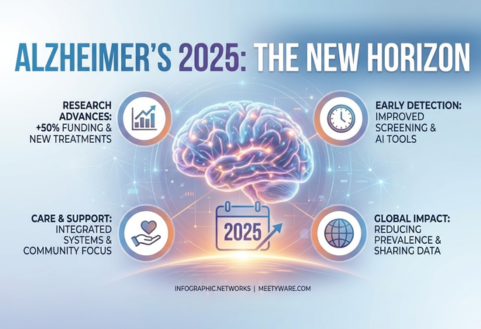
Alzheimer’s 2025: The New Horizon
ReComune
Updated on: 26 Feb 2026

Emotional expression is an essential part of well-being at every stage of life but for seniors, sharing feelings can be especially challenging. Many older adults grew up in a time when discussing emotions was discouraged, mental health was stigmatized, and vulnerability was seen as weakness. As a result, countless seniors today struggle quietly with sadness, fear, confusion, loneliness, or anxiety without ever putting their feelings into words. According to the Centers for Disease Control and Prevention (CDC), nearly 20% of adults aged 55 and older experience mental health concerns, yet most never receive help because they do not speak up about what they’re feeling (CDC).
Moreover, emotional silence is not harmless. Seniors who suppress emotions are more likely to experience loneliness, depression, cognitive decline, and physical illness (National Institue on Aging). This is why families play such a crucial role. Encouraging seniors to express their feelings creates emotional relief, strengthens memory, enhances cognitive resilience, and increases overall quality of life. This blog explores why emotional expression matters, why seniors hold back, and how families can gently encourage open dialogue without pressure, frustration, or discomfort
Aging brings significant emotional transitions:
These experiences are heavy yet many seniors feel they must “stay strong” or avoid burdening their family. The emotional weight builds internally, affecting both mental and physical health.
Emotional expression helps seniors:
Research from the National Institute on Aging (NIA) shows that emotional engagement supports brain health, improves social connection, and reduces risk of cognitive impairment (NIA). When seniors talk about their feelings, they reclaim clarity, dignity, and emotional balance.

Even when they want emotional support, seniors may hesitate due to cultural, generational, or personal beliefs.
Understanding these barriers helps families respond with empathy instead of frustration.
While memory lapses and slower processing can occur with age, chronic sadness, emotional withdrawal, or hopelessness are not normal. According to the World Health Organization (WHO):
Yet most cases go undiagnosed because seniors do not openly express distress. When seniors share feelings early, emotional decline becomes easier to manage and often reversible.
Seniors express emotions in subtle, indirect ways. Families must learn to read these signs.
If these signs appear repeatedly, it’s time to open a supportive conversation.
Pushing seniors to open up can make them withdraw. Instead, families should create emotional safety. Here are research-backed, compassionate steps:
Choose a relaxed setting no interruptions, no distractions. Physical comfort increases emotional openness.
Examples that encourage sharing:
Avoid yes/no questions they limit sharing.
Many seniors don’t need solutions they need understanding. Say things like:
Validation builds trust.

Example: “I’ve felt overwhelmed recently too it’s okay to talk about it.”
This makes emotional conversation feel mutual, not one-sided.
If seniors struggle to articulate feelings, guide them gently:
Small steps remove pressure.
Social isolation worsens emotional decline.
Encourage:
Connection reduces loneliness and improves cognitive resilience.
Therapists specializing in geriatric mental health offer life-changing support. Seek help if you notice:

Technology can be a powerful emotional support tool for seniors if designed with simplicity and empathy. Digital platforms Like ReComune help seniors:
ReComune is built specifically to support senior emotional wellness through:
Unlike many digital tools, ReComune encourages seniors to talk openly by making them feel:
Research shows that conversational engagement improves emotional well-being, reduces loneliness, and stimulates cognitive pathways linked to memory (ScienceDirect.com). Technology doesn’t replace family but it fills emotional gaps that occur when families are busy or live far away.
Seniors feel safe opening up when emotional conversation becomes normal—not rare.
Make these habits part of weekly life:
Emotional openness grows through familiarity, not pressure.

Silence can be meaningful. Seek immediate support if seniors:
These signs may indicate depression, anxiety, emotional decline, or early cognitive impairment. Early intervention can transform outcomes.
Encouraging seniors to talk about their feelings is not just a conversation it’s a lifeline. Emotional openness strengthens memory, improves brain health, reduces loneliness, and deepens the bond between seniors and their families. When families listen with empathy, validate feelings, and create safe emotional spaces, seniors begin to trust the process. They feel seen, respected, and understood sometimes for the first time in years.
Technology, especially senior-friendly platforms like ReComune, can also make emotional expression easier by providing companionship, conversation, and encouragement without judgment or pressure. The path to emotional wellness for seniors begins with one simple step a genuine, loving conversation. With patience, compassion, and consistency, families can help seniors rediscover hope, confidence, and connection one heart-to-heart moment at a time.