
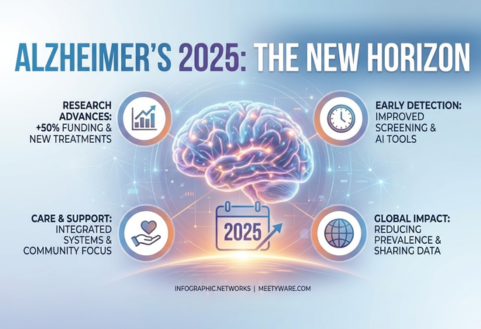
Alzheimer’s 2025: The New Horizon
ReComune
Updated on: 26 Feb 2026

As societies evolve and life expectancy increases, families are rediscovering the value of living together across generations. Intergenerational living, where seniors share a household or maintain close daily interaction with younger family members, is becoming increasingly common around the world. This lifestyle not only strengthens family bonds but also supports healthy aging, emotional well-being, and social connection.
In recent years, researchers and public health organizations have highlighted how social relationships play a key role in physical and mental health. According to the World Health Organization, strong social connections can significantly improve quality of life and reduce risks associated with loneliness and social isolation among older adults (WHO). Intergenerational living offers a practical and meaningful way to promote connection, support, and well-being for both seniors and younger generations.
Intergenerational living refers to households or communities where people from multiple age groups often grandparents, parents, and children live together or interact regularly. This arrangement may involve seniors living with adult children, extended family households, or shared community housing designed to bring generations together.

This model is becoming more common in many parts of the world. Economic factors, cultural traditions, and the desire for stronger family support systems have all contributed to the rise of multigenerational households. According to Pew Research Center, the number of Americans living in multigenerational households has increased significantly over the past few decades (pewresearch.org). For seniors, this living arrangement can provide daily interaction, emotional support, and a greater sense of belonging.
Healthy aging involves more than managing physical health it also includes emotional well-being, social engagement, and a sense of purpose. Intergenerational living naturally supports these elements by encouraging daily connection between generations. Below are some of the most important benefits of intergenerational living for seniors.
One of the most significant benefits of intergenerational living is its ability to reduce loneliness among seniors. Loneliness can negatively impact both mental and physical health. The Centers for Disease Control and Prevention (CDC) notes that social isolation and loneliness are associated with increased risks of depression, anxiety, heart disease, and cognitive decline in older adults (CDC, 2023). Living with or near younger family members naturally creates opportunities for conversation, shared activities, and emotional support. These everyday interactions help seniors feel connected and valued. For many older adults, simply having someone nearby to talk to or share daily experiences with can significantly improve emotional well-being.
Intergenerational households often provide stronger emotional support networks. Family members from different generations can support one another during challenging times. Seniors benefit from having loved ones nearby who can provide encouragement, companionship, and understanding.
Emotional support is especially important during major life transitions such as retirement, health changes, or the loss of a spouse. According to the National Institute of Health, maintaining strong social relationships can help older adults cope with stress and improve overall mental health (NIH). Being surrounded by family members helps seniors feel emotionally secure and supported.
Intergenerational living often gives seniors a renewed sense of purpose. Older adults frequently play important roles within multigenerational families, such as:
These contributions allow seniors to remain active participants in family life. Research shows that having a sense of purpose is associated with improved psychological health and longer life expectancy among older adults (ScienceDirect.com). Feeling needed and appreciated can have a powerful impact on emotional well-being.
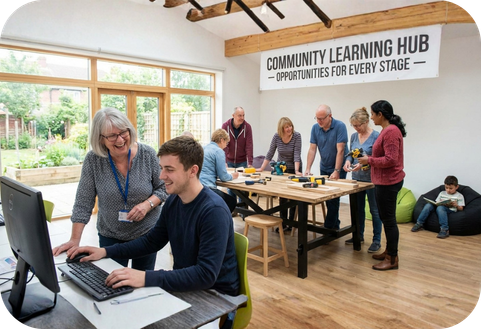
Intergenerational living creates a unique environment where learning happens naturally between generations. Younger family members often introduce seniors to new technologies, modern trends, and fresh perspectives. In return, seniors share valuable life lessons, cultural traditions, and practical skills. This exchange benefits both groups. Seniors remain mentally stimulated and engaged, while younger generations gain wisdom and guidance.
The American Psychological Association highlights that social engagement and lifelong learning contribute to better cognitive health and emotional resilience in older adults (APA, 2022). Learning from one another strengthens family relationships and encourages intellectual growth.
Regular social interaction has a positive effect on mental health. Seniors living in multigenerational households are more likely to engage in daily conversations, shared meals, and family activities. These interactions stimulate the brain and promote positive emotions.
Research indicates that strong social relationships can reduce the risk of depression and improve overall mental health among older adults (WHO, 2023). Being surrounded by supportive family members helps seniors maintain emotional balance and resilience.

Intergenerational living can also encourage healthier lifestyles. Family environments often promote regular routines such as shared meals, outdoor activities, and participation in household responsibilities. These routines help seniors remain physically active and engaged in daily life.
Studies show that seniors who maintain active social lives tend to experience better physical health and longer life expectancy (CDC, 2023). Simple activities such as walking with family members, playing with grandchildren, or participating in family events can contribute to improved mobility and overall well-being.
Multigenerational living can also provide financial advantages for both seniors and younger family members. Shared housing arrangements may help reduce expenses related to housing, utilities, and caregiving. Families can combine resources, making it easier to manage living costs while supporting aging family members. This shared approach can be especially beneficial when seniors require additional assistance but prefer to remain in a familiar home environment. Financial cooperation within families can create a more stable and supportive household for everyone involved.
Living together or spending regular time together helps strengthen family relationships. Intergenerational households create opportunities for meaningful family traditions, shared celebrations, and daily bonding experiences. Grandchildren often develop strong emotional connections with grandparents, benefiting from their guidance and storytelling. At the same time, seniors experience joy and fulfillment through these relationships. These connections help preserve family history and values while fostering respect between generations.
While intergenerational living emphasizes in-person relationships, technology can also support connection between generations. Digital communication tools help families stay connected when physical distance is unavoidable. Video calls, messaging apps, and online communities allow seniors to maintain relationships with family members and friends. According to Pew Research Center, internet use among adults aged 65 and older continues to grow, enabling more seniors to participate in digital communication (Pew Research Center, 2024). Technology can complement intergenerational living by extending connection beyond the home.

Digital communities designed for seniors are helping bridge generational gaps and support emotional well-being.
ReComune is an example of a platform designed to provide a safe, scam-free environment for seniors to connect and communicate. As online scams targeting older adults continue to rise, secure digital spaces have become increasingly important (FTC, 2024).
ReComune supports seniors by offering:
These tools complement intergenerational living by helping seniors maintain social connection even when family members are busy or live far away.

While intergenerational living offers many benefits, it can also present challenges. Some families may experience differences in lifestyle preferences, privacy needs, or communication styles. Managing these differences requires patience, mutual respect, and open communication. Setting clear expectations and boundaries can help families create a balanced and supportive living environment for everyone involved. When approached thoughtfully, these challenges can become opportunities for understanding and growth.
Intergenerational living offers powerful benefits for healthy aging. By bringing generations together under one roof or maintaining close daily interaction, families can create environments filled with connection, support, and shared purpose. For seniors, the advantages include reduced loneliness, stronger emotional support, improved mental health, and greater engagement in daily life. Younger generations also benefit by gaining wisdom, guidance, and deeper family connections.
As communities continue to explore ways to support aging populations, intergenerational living stands out as a meaningful solution that strengthens families while promoting well-being. By combining family support with modern tools like digital communities and safe online platforms like ReComune AI Companions, society can help ensure that older adults remain connected, valued, and emotionally fulfilled throughout their later years.