5 Warning Sings Your Senior Parents Need Daily Check-Ins
If your aging parent says they’re “fine,” it’s comforting but it may not be the whole truth. According to the National Institute on Aging (NIA, 2023), over 27%of adults aged 65 and older live alone, and nearly half of those individuals experience at least one significant daily living limitation (NIA, 2023). As parents age, small changes can signal big risks missed medication, poor nutrition, confusion, or loneliness. These are often invisible until something serious happens.
That’s why daily check-ins quick, consistent touchpoints can make all the difference. They don’t just show care; they protect health, safety, and emotional well-being. Here are five key warning signs your senior parent may need daily check-ins and what the research says about their importance.
Increased Forgetfulness or Confusion
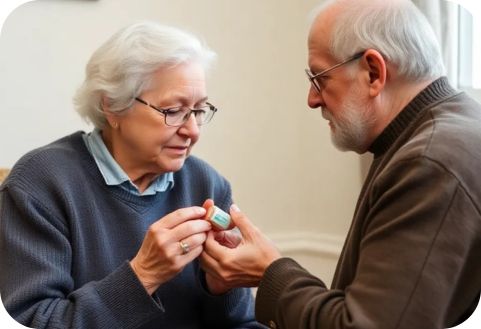
Occasional forgetfulness is normal, but when your parent starts missing appointments, misplacing items, or repeating themselves often, it may signal Mild Cognitive Impairment (MCI) or early dementia. The Alzheimer’s Association (2023) reports that more than 6.7 millionAmericans aged 65+ are living with Alzheimer’s, and early symptoms often go unnoticed for years (Alzheimer’s Association, 2023).
Why This Matters
Forgetting meals, bills, or medication can quickly lead to health risks like malnutrition or hospitalization. A 2022 study published in BMC Geriatrics found that older adults who received daily reminders or caregiver check-ins were 34% more likely to adhere to medication schedules and appointments (BMC Geriatrics).
Check-In Tip
Daily calls, texts, or services like AlexaTogether can help you confirm your parent has taken medication, eaten meals, or completed daily tasks without feeling intrusive. “Consistency is key even short daily contact keeps seniors engaged and accountable.” Noticeable Mood Changes or Emotional Withdrawal. Aging isn’t just physical; emotional health plays a huge role in senior well-being.
If your parent sounds withdrawn, irritable, or unusually quiet on the phone, it could be a red flag for loneliness or depression. According to the World Health Organization Advisory on Loneliness and Isolation, nearly one in three adults over60 experiences measurable loneliness and that loneliness increases the risk of depression by 40%, stroke by 32%, and premature death by 26% (World Health Organization).
Why Daily Check-Ins Help
Regular human interaction, even brief phone calls, reduces cortisol levels (stress hormone) and increases serotonin improving both mood and heart health. A Taylor study showed that seniors with consistent daily contact had 25% fewer depressive symptoms and greater life satisfaction than those with sporadic contact (Taylor & Francis).
Check-In Tip
Turn daily calls into meaningful connection moments ask about their day, discuss family updates, or share memories. Emotional engagement is just as important as health check-ins.
Neglecting Home, Hygiene, or Meals
A clean home and consistent self-care reflect cognitive and emotional health. When these begin to slip, it’s often a sign of functional decline. The National Council on Aging (NCOA, 2023) reports that 14 million seniors in the U.S. struggle with basic daily activities including bathing, cooking, or cleaning due to physical or cognitive limitations(National Institutes of Health).
Warning Signs
Spoiled food in the refrigerator
Unpaid bills or unopened mail
Wearing the same clothes for days
Neglected grooming
These may seem minor but can indicate serious health or emotional issues.
Why Daily Check-Ins Help
A National Institute of Health report found that older adults living alone are 40% more likely to experience accidents, malnutrition, or self-neglect compared to those with regular family contact (NIH). Daily video calls or short visits can help spot early warning signs clutter, fatigue, or forgetfulness before they become emergencies. Encourage home safety checks or use virtual tours via video calls to discreetly monitor living conditions without compromising dignity.
Physical Decline, Dizziness, or Risk of Falls
Falls are among the most serious and common dangers for seniors. According to the Centers for Disease Control and Prevention (CDC, 2024):
1 in 4 adults aged 65+ experiences a fall each year.
Falls cause 36,000 deaths annually in the U.S.
1 in 5 falls leads to serious injuries like head trauma or fractures (CDC, 2024).
Subtle Signs of Risk
Complaints of dizziness or “feeling unsteady.”
Declining muscle strength or reduced walking speed.
Hesitation using stairs or walking outside.
Even small physical declines can have devastating consequences if unnoticed.
Why Daily Check-Ins Help
A simple question like, “How are you feeling today?” can help detect early fatigue, pain, or dizziness.
A 2023 study in the Journal of Gerontology found that seniors who had daily caregiver communication or smart monitoring systems experienced 30% fewer hospitalizations due to early intervention ( Supportive Care). Encourage gentle daily activity. Check if they’ve eaten, walked, or taken hydration breaks. Use fall-detection watches or home sensors for added safety.
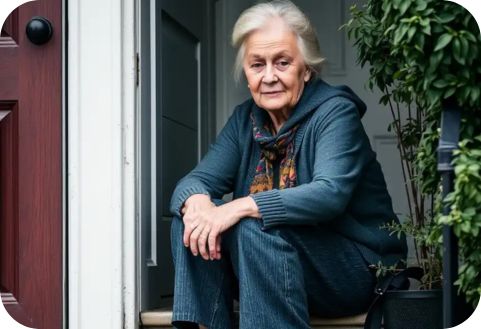
Growing Loneliness or Lack of Purpose
Even with perfect physical health, many seniors suffer from emotional disconnection.
The U.S. Surgeon General’s Office (2023) classifies loneliness as a public health epidemic, linking it to higher rates of dementia (50%), heart disease (29%), and stroke (32%) (U.S. Department of Health & Human Services, 2023).
Why This Matters
Loneliness weakens immunity, elevates stress hormones, and accelerates cognitive decline. Seniors without daily human contact are also more likely to suffer from depression or stop caring for themselves. A 2023 PLOS ONE study found that seniors receiving consistent daily phone calls or AI-based companionship had 35%lower rates of anxiety and better emotional regulation (PLOS ONE, 2023).
Check-In Tip
Combine human contact with technology AI companions like ElliQ and specifically ReComune which is designed to engage older adults in conversation, ensure saftey, recall previous coversations, and reduce feelings of loneliness. Even a five-minute phone call can reestablish purpose and belonging two of the most powerful antidotes to aging loneliness.
The Science Behind Daily Check-Ins
Multiple studies confirm that daily contact improves both mental and physical health in seniors:
Harvard Study of Adult Development (2023): Found that social connection is the strongest predictor of long life and emotional well-being (Harvard Gazette, 2023).
American Medical Association: Regular telephone check-ins reduced emotional loneliness in older adults (American Medical Association).
BMC Public Health (2023): Seniors with daily digital interactions were 37%less likely to experience hospitalization or emergency care needs.
How to Create a Daily Check-In Routine That Works
Set a specific time each day: Consistency provides comfort and predictability.
Keep it simple: Even a 3–5 minute chat matters.
Rotate family members: Share responsibility among siblings or friends.
Encourage engagement: Ask open-ended questions about meals, activities, or how they’re feeling emotionally.
Remember it’s not about supervision, but connection.
Conclusion: Small Conversations, Big Protection
Daily check-ins go far beyond routine reminders they are genuine lifelines for aging parents. A few minutes of connection each day can prevent falls, ensure medication is taken, ease loneliness, and stimulate the mind. As highlighted by the U.S. Surgeon General (2023), “Human connection is as vital to health as food, water, or shelter. ”When your senior loved one shows signs like forgetfulness, mood shifts, withdrawal, or declining health, it’s time to reach out consistently. Even the smallest daily call builds emotional safety, structure, and reassurance.
These brief but heartfelt moments remind seniors they are seen, valued, and loved reinforcing both emotional and physical well-being. In the end, a simple conversation can do more than fill silence it can strengthen hearts, protect minds, and turn everyday care into a powerful expression of love.