Living Alone After 65: The Emotional Challenges No One Talks About
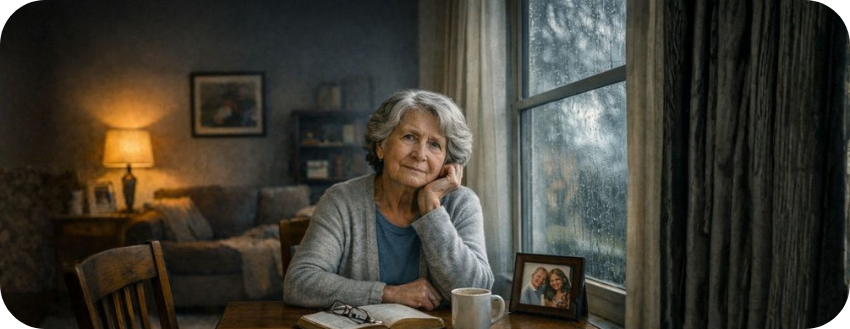
Living alone after the age of 65 is often portrayed as a symbol of independence, strength, and self-reliance. Many seniors take pride in maintaining their own homes, managing daily routines, and proving they can still “handle things on their own.” But behind closed doors, a quieter reality often exists one that is rarely discussed openly. For millions of older adults, living alone also means loneliness, emotional isolation, unspoken fears, and a reluctance to ask for help. These emotional challenges are common, yet deeply stigmatized. As a result, many seniors suffer in silence, believing their struggles are a personal failure rather than a shared human experience.
According to the U.S. Census Bureau, nearly 28% of adults aged 65 and older live alone, a number that continues to rise each year. While independence can be empowering, research consistently shows that seniors living alone face higher risks of loneliness, depression, anxiety, and cognitive decline (Census.gov). This blog explores the emotional realities of living alone after 65, why these struggles often go unspoken, and how families, communities, and technology can help break the stigma around asking for support.
Why More Seniors Are Living Alone After 65
Several social and demographic shifts have contributed to the growing number of seniors living independently:
Longer life expectancy
Loss of a spouse or partner
Adult children living far away
Increased desire for autonomy
Cultural emphasis on independence
According to the National Institute on Aging (NIA), most older adults prefer to age in place rather than move in with family or into assisted living (National Institute on Aging). While this choice supports autonomy, it can unintentionally increase emotional vulnerability. Living alone does not automatically mean being lonely but it significantly raises the risk, especially when mobility, health, or social circles begin to shrink.
The Hidden Emotional Challenges of Living Alone
1. Loneliness That Builds Slowly
Loneliness rarely arrives all at once. It often begins with:
Fewer daily conversations
Less social interaction
Quiet evenings and weekends
Reduced sense of being “needed”
A report found that more than one-third of adults over 65 experience loneliness, even if they appear socially functional (ScienceDirect.com).
Many seniors were raised in a time when emotional expression was discouraged. Admitting sadness, fear, or loneliness was often seen as weakness.
As a result, older adults may:
Minimize their feelings
Say “I’m fine” even when struggling
Avoid discussing emotional pain
Fear being judged or pitied
The American Psychological Association (APA) reports that emotional suppression in older adults is strongly linked to depression and reduced life satisfaction (APA PsycNet).
3. Fear of Becoming a Burden
One of the most powerful emotional barriers seniors face is the belief that asking for help will burden their family.
Common thoughts include:
“My children are busy.”
“Others have it worse.”
“I should be grateful, not complaining.”
This mindset prevents many seniors from reaching out, even when emotional support could dramatically improve their well-being.
4. Anxiety About Health and Safety
Living alone heightens awareness of vulnerability:
“What if I fall?”
“What if I forget something important?”
“What if no one checks on me?”
According to the Centers for Disease Control and Prevention (CDC), seniors living alone experience higher levels of health-related anxiety, which can worsen sleep, memory, and emotional regulation (CDC, 2021).
How Living Alone Affects Mental and Cognitive Health
The emotional challenges of living alone are not just psychological they are neurological. A landmark study published in The Lancet identified social isolation and loneliness as major risk factors for dementia, increasing risk by nearly 50% (The Lancet).
Loneliness affects the brain by:
Increasing cortisol (stress hormone)
Reducing stimulation of memory centers
Weakening attention and language processing
Increasing risk of depression-related memory loss
The National Institute on Aging confirms that emotional well-being and cognitive health are deeply interconnected, especially in later life (National Institute on Aging).
The Stigma Around Asking for Help
Despite these risks, many seniors hesitate to seek emotional support due to stigma.
Why Asking for Help Feels Hard
Fear of losing independence
Concern about judgment
Cultural expectations of “strength”
Lack of mental health awareness in older generations
According to the World Health Organization (WHO), mental health conditions in older adults are widely underreported because many seniors believe emotional distress is simply “part of aging” (WHO, 2021). It is not. Feeling lonely, sad, or overwhelmed is not a personal failure it is a human response to change and isolation.
Why Emotional Support Is Essential for Independent Seniors
Emotional support does not reduce independence it strengthens it. Research from The Journal of Aging Studies shows that seniors who feel emotionally supported are:
Families often want to help but don’t know how especially when seniors say they’re “fine.”
Simple, Effective Ways Families Can Help
Regular check-in calls (without rushing)
Asking open-ended emotional questions
Validating feelings instead of fixing them
Encouraging social engagement
Respecting independence while offering presence
The CDC emphasizes that emotional check-ins are just as important as physical health monitoring for older adults (CDC, 2021).
Technology as Emotional Support, Not Replacement
When distance or schedules limit family availability, technology can help fill emotional gaps if designed correctly. A study in JMIR Aging found that seniors using supportive communication technologies experienced:
Reduced loneliness
Improved emotional well-being
Increased cognitive engagement
However, many platforms:
Are overwhelming
Expose seniors to scams
Lack emotional sensitivity
How ReComune Supports Seniors Living Alone
ReComune is designed specifically to support seniors who live independently but need emotional connection.
How ReComune Helps
Provides empathetic, positive conversations
Reduces loneliness without pressure
Offers a scam-free, safe environment
Encourages emotional expression
Supports mental and cognitive engagement
Designed for simplicity and trust
Unlike traditional social media, ReComune focuses on emotional well-being, dignity, and safety, making it especially valuable for seniors who live alone. Families gain peace of mind knowing their loved ones are:
Emotionally supported
Never isolated
Protected from online risks
Breaking the Stigma: Asking for Help Is Strength
Breaking the Stigma: Asking for Help Is Strength
For many seniors, asking for help feels uncomfortable because it has long been associated with weakness, dependence, or loss of control. Many grew up believing they should “handle things on their own,” even when emotional challenges become overwhelming. This stigma often leads seniors to hide loneliness, anxiety, or sadness, believing these feelings are simply part of aging. In reality, asking for help is a powerful act of strength and self-awareness. It shows courage, not failure. Emotional support helps seniors maintain independence, not lose it.
Research from the World Health Organization emphasizes that seeking social and emotional support is a key factor in healthy aging, not a sign of decline (WHO, 2021). When seniors feel safe reaching out whether to family, friends, or supportive platforms they are more resilient, emotionally balanced, and mentally strong. Normalizing help-seeking allows seniors to protect their well-being while continuing to live with dignity, confidence, and purpose.
Conclusion: Independence Should Never Mean Emotional Isolation
Independence in later life is a powerful achievement, reflecting resilience, experience, and self-reliance. However, independence should never require seniors to face emotional struggles alone. Living independently after 65 does not eliminate the human need for connection, understanding, and reassurance. Loneliness, unspoken fears, and emotional silence can quietly erode well-being when support feels out of reach or asking for help feels stigmatized.
True healthy aging balances autonomy with emotional connection. When seniors feel safe expressing their feelings, staying socially engaged, and receiving consistent emotional support, they are better equipped to maintain both mental and cognitive health. Families, communities, and thoughtfully designed technologies all have a role to play in ensuring seniors are not isolated behind the idea of independence. Emotional support does not weaken independence it strengthens it. By normalizing conversations about loneliness and encouraging connection, we can help seniors live independently while still feeling valued, supported, and deeply connected to the world around them.