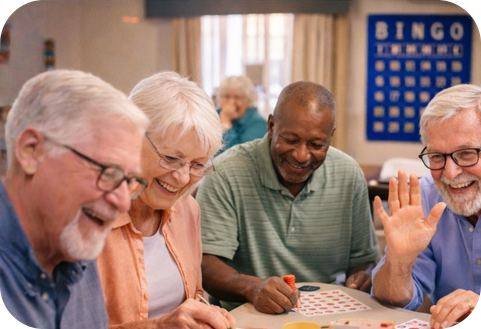
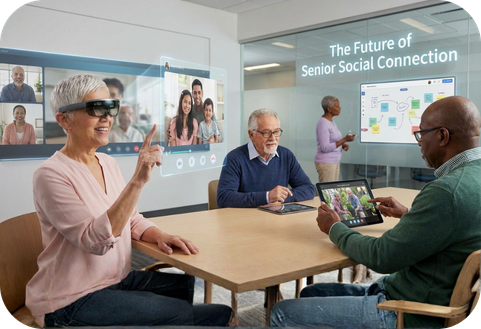
The image of a senior centre used to mean bingo nights, community lunches, and group exercise classes in a local hall. For decades, these physical spaces served as lifelines for older adults offering friendship, activity, and belonging. Research consistently shows that social engagement plays a critical role in healthy aging and emotional well-being (CDC, 2024). Today, that same sense of connection is increasingly happening online. Welcome to the era of virtual communities for seniors digital gathering spaces redefining how older adults socialize, learn, and stay emotionally connected.
As mobility challenges, geographic distance, and changing lifestyles reshape aging, online senior communities are becoming the modern version of traditional senior centres. This shift is especially important given that 1 in 3 older adults report feeling lonely or socially isolated (University of Michigan National Poll on Healthy Aging). With internet adoption among adults 65+ steadily increasing (Pew Research Center, 2024). Digital platforms are now positioned to meet this growing need. Platforms like ReComune demonstrate that the shift isn’t just digital it’s safer, more inclusive, and intentionally designed to combat loneliness while fostering meaningful connection in a secure online environment.
Why Virtual Communities Are the New Senior Centres
Virtual communities are the new senior centres because they provide social connection, emotional support, and mental engagement without geographic limitations. As loneliness rises among older adults and internet adoption increases, online platforms offer safe, accessible, and inclusive spaces for seniors to stay connected, active, and supported.
Why Loneliness Among Seniors Is a Growing Health Concern
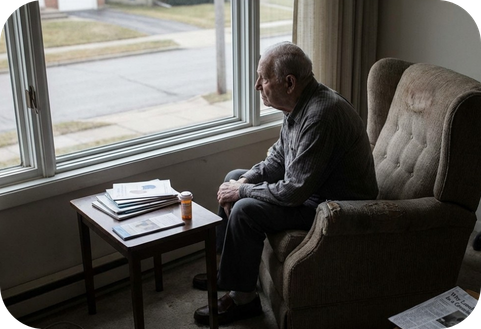
Social isolation is not just an emotional issue it’s a public health concern. According to the University of Michigan’s National Poll on Healthy Aging, about 1 in 3 older adults report feeling lonely or socially isolated (University of Michigan). The Centers for Disease Control and Prevention (CDC) further emphasizes that social connection plays a critical role in mental and physical health. Strong social relationships can reduce risks of depression, anxiety, heart disease, and cognitive decline (CDC).
For seniors who:
Live alone
Have limited mobility
Have lost a spouse
Are geographically distant from family
The risk of isolation increases dramatically. Traditional senior centres once filled that gap but not every older adult can access them. Transportation barriers, health limitations, or simply living in rural areas can make participation difficult. That’s where virtual senior centres are stepping in.
The Digital Shift: Seniors Are More Connected Than Ever
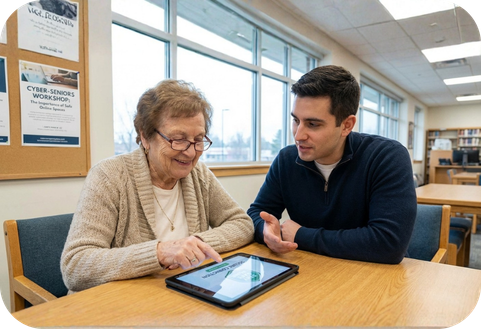
One outdated myth is that seniors don’t use the internet. In reality, internet adoption among older adults has grown steadily. According to Pew Research Centre, a majority of adults aged 65+ now use the internet, and many own smartphones (Pew Research, 2024). This digital shift creates an opportunity. If seniors are online, why not build meaningful communities there?
Virtual communities for seniors allow:
Daily conversation
Interest-based groups
Emotional support
Educational programs
Safe social interaction
Unlike traditional senior centres that operate during set hours, online communities are available anytime.
From Bingo Nights to Digital Chats: How Senior Centres Evolved
Traditional senior centres offered:
Social events
Group activities
Peer support
Educational workshops
Wellness programs
Virtual communities now replicate and often enhance these offerings by providing:
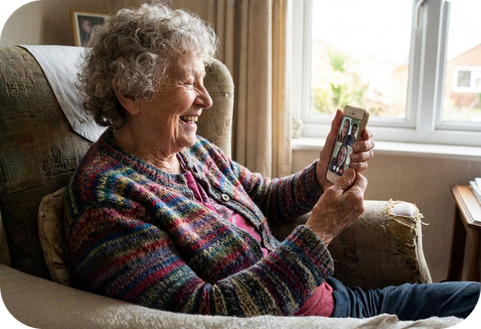
Video calls and chat rooms
Interest-based discussion groups
Online hobby classes
Memory games and mental exercises
Digital companionship
The difference? Accessibility.
A senior with limited mobility can join a virtual discussion group from their living room. A caregiver can help their parent connect without arranging transportation. A widow living alone can find meaningful conversation at any hour of the day. Virtual communities remove barriers while preserving connection.
The Importance of Safe Online Spaces for Seniors
While the internet creates opportunities, it also carries risks. Online scams targeting older adults have increased dramatically. According to the Federal Trade Commission (FTC), fraud losses reported by adults aged 60+ reached $2.4 billion in 2024, highlighting the vulnerability of seniors online (FTC, 2025). This is why safe social platforms for seniors are essential.
A true virtual senior centre must provide:
Moderated conversations
Scam prevention safeguards
Verified community spaces
Respectful, non-judgmental interaction
Without safety, connection cannot flourish.
How ReComune Reinvents the Senior Centre—Safely
Among emerging online senior communities, ReComune stands out by prioritizing safety, belonging, and emotional well-being.
A Safe, Scam-Free Environment
Given the rise in online fraud, seniors need digital spaces built with protection in mind. ReComune focuses on creating a scam-free community for seniors, reducing exposure to suspicious interactions and harmful behaviors. Unlike open social media platforms, ReComune emphasizes structured, moderated engagement designed specifically for older adults.
A Non-Judgmental Community Culture
Many seniors hesitate to join online spaces because they fear embarrassment, technological confusion, or judgment.
ReComune fosters:
Patience
Kind communication
Inclusive conversation
Respectful dialogue
This non-judgmental approach encourages participation from seniors who may otherwise withdraw socially.
Ending Loneliness Through Real-Time Connection
One of the most powerful features is ReComuneChat, which allows seniors to talk anytime. For older adults living alone, late evenings can feel especially isolating. The ability to initiate conversation on demand reduces emotional distress and provides comfort during vulnerable moments. The CDC highlights that strong social connection improves overall mental health (CDC, 2024). ReComune directly supports that need.
The ReComune AI Companions
In addition to live conversation, ReComune offers an AI Companions—a friendly, supportive conversational presence that provides gentle engagement, reminders, and companionship. While it does not replace human interaction, it supplements it by:
Encouraging conversation
Reducing feelings of isolation
Offering consistent emotional engagement
For seniors who may not always have someone physically present, this digital companionship adds a layer of support.
Who Benefits Most from Virtual Senior Communities?
Seniors Living Alone
Widowed or single seniors often experience the highest levels of isolation. Virtual communities provide daily interaction without requiring travel.
Seniors with Mobility Challenges
Health conditions can make leaving home difficult. Online senior centers ensure continued participation.
Rural Seniors
In remote areas, physical senior centers may be limited or nonexistent. Virtual platforms eliminate geographic barriers.
Caregivers Seeking Support
Caregivers can encourage parents to join safe digital spaces to reduce loneliness when family members are busy.
Mental and Emotional Benefits of Virtual Communities
Research consistently shows that social engagement protects cognitive and emotional health. The CDC notes that meaningful relationships can lower risks of depression and anxiety (CDC, 2024).
Virtual communities contribute to:
Improved mood
Reduced anxiety
Increased cognitive stimulation
Greater sense of belonging
Enhanced self-worth
Belonging is not optional—it’s essential.
Addressing Common Concerns About Online Communities
“Are seniors comfortable using technology?”
Yes—when platforms are designed with simplicity in mind. As Pew Research shows, internet use among older adults continues to rise (Pew Research, 2024).
“Is it safe?”
Safety depends on design. Platforms like ReComune prioritize scam prevention and moderated environments.
Virtual communities are not replacements, they are supplements. They ensure continuity of connection when physical gatherings are unavailable.
The Future of Senior Social Connection
The future of senior social connection is increasingly digital, inclusive, and accessible. As internet use among adults aged 65+ continues to grow (Pew Research Center, 2024), older generations are becoming more comfortable with smartphones, video calls, and online communities. This shift opens new opportunities to combat loneliness and strengthen emotional well-being. Health experts emphasize that social connection is vital for mental and physical health (CDC, 2024), and digital platforms are helping bridge gaps caused by distance or mobility challenges. Moving forward, senior engagement will likely blend in-person interaction with safe, supportive virtual communities designed specifically to foster belonging and meaningful relationships.
Tomorrow’s retirees:
Use smartphones
Video chat with grandchildren
Join online classes
Participate in digital discussions
The next evolution of senior centers will likely blend physical and digital experiences. But even today, virtual communities are already fulfilling critical social needs.
Safe, moderated platforms like ReComune provide scam-free, non-judgmental digital spaces for seniors.
Conclusion: Community Has No Age Limit—Or Zip Code
Community has never been about location it has always been about connection. While traditional senior centres created meaningful spaces for friendship and engagement, today’s digital world allows that same sense of belonging to extend beyond physical walls. Virtual communities ensure that no senior feels excluded due to distance, mobility challenges, or changing life circumstances. With safe, inclusive, and thoughtfully designed platforms like ReComune, older adults can experience companionship, conversation, and support anytime they need it. Aging should never mean isolation. No matter where someone lives, meaningful connection, dignity, and belonging should always remain within reach. Senior centres were never just buildings.