
Recent Comments
Posted by recomune_dhfskm in Awareness, blog on January 19th, 2026

Caring for a loved one with Alzheimer’s disease is an act of deep love and commitment but it can also be emotionally, physically, and mentally exhausting. Many caregivers quietly struggle with burnout, a state of chronic stress that affects health, relationships, and overall well-being. According to the Alzheimer’s Association, more than 11 million Americans provide unpaid care to people with Alzheimer’s or other dementias, contributing an estimated 18 billion hours of care each year (Alzheimer’s Association, 2023).
While caregiving can be meaningful, the constant demands emotional support, supervision, routine management, and decision-making can overwhelm even the most dedicated caregivers. Understanding caregiver burnout, recognizing its signs, and learning how to cope are essential not only for caregivers’ health but also for the quality of care seniors receive.

Caregiver burnout is a state of physical, emotional, and mental exhaustion that develops from the ongoing stress of caring for someone with Alzheimer’s or dementia. It often occurs when caregivers place their loved one’s needs above their own for extended periods of time. According to the Centers for Disease Control and Prevention (CDC), dementia caregivers experience significantly higher levels of stress, depression, and chronic health conditions than non-caregivers (CDC, 2022).
The Alzheimer’s Association also reports that nearly 40% of Alzheimer’s caregivers experience depression, often without realizing they are burned out (Alzheimer’s Association, 2023). Burnout is not a sign of weakness or failure it is a common response to sustained caregiving demands and a signal that additional support and self-care are urgently needed. Burnout does not mean a caregiver is failing it means the caregiver is human.

Alzheimer’s care is especially draining because it involves progressive, long-term emotional and cognitive challenges, not just physical assistance. As the disease advances, caregivers must manage memory loss, personality changes, communication difficulties, and behavioral symptoms often all at once. The National Institute on Aging notes that dementia caregiving requires constant supervision and adaptation, which significantly increases emotional strain (NIA, 2023).
Caregivers also experience ambiguous loss, grieving the gradual changes in a loved one while still providing daily care. Research shows that Alzheimer’s caregivers report higher stress and depression levels than caregivers of other chronic conditions (Frontiers). This combination of emotional grief, unpredictability, and ongoing responsibility makes Alzheimer’s care uniquely exhausting.
Additionally:
Research shows that dementia caregivers experience significantly higher emotional strain than caregivers for other chronic illnesses (ScienceDirect).
Recognizing burnout early is critical. Common signs include:
The Alzheimer’s Association notes that nearly 40% of dementia caregivers experience depression, often undiagnosed and untreated (Alzheimer’s Association, 2023).

Caregiver burnout can have serious and long-lasting effects on physical and mental health if left unaddressed. Chronic stress experienced by Alzheimer’s caregivers has been linked to depression, anxiety, weakened immune function, high blood pressure, and heart disease. According to the National Institute on Aging, caregivers under prolonged stress are more likely to neglect their own medical needs and experience sleep disorders and fatigue (NIA, 2023).
A widely cited study published in JAMA found that caregivers experiencing high levels of strain had a 63% higher mortality risk compared to non-caregivers of the same age (JAMA). The Centers for Disease Control and Prevention (CDC) also reports higher rates of chronic illness among dementia caregivers (CDC, 2022). These findings highlight why protecting caregiver health is not optional it is essential for sustainable care.
Long-term studies show that caregivers experiencing high stress have a 63% higher mortality risk compared to non-caregivers of the same age (JAMA).
Many caregivers feel guilty prioritizing their own needs. However, research consistently shows that caregiver well-being directly affects patient outcomes. The World Health Organization emphasizes that caregiver health is a critical component of quality dementia care (WHO, 2022). Caring for yourself is not abandoning your loved one it is sustaining your ability to care.

Caregiving brings complex emotions love, sadness, frustration, anger, grief. Suppressing these feelings increases stress. Mental health professionals emphasize that emotional validation reduces burnout risk. Talking openly whether with family, a counselor, or a support group helps release emotional pressure.
Routine benefits both caregivers and seniors with Alzheimer’s. Predictable schedules reduce confusion for seniors and lower decision fatigue for caregivers. The National Institute on Aging confirms that structured routines reduce agitation and caregiver stress (NIA, 2023).
Simple anchors include:
Alzheimer’s is progressive. No caregiver can stop its course. Accepting limitations helps reduce self-blame. The Alzheimer’s Association encourages caregivers to focus on comfort and connection, not perfection.
Many caregivers wait until crisis to ask for help. Yet early support prevents burnout. Options include:
Studies show that caregivers who use respite services report lower stress and improved emotional health (ResearchGate).
Isolation worsens burnout. The CDC reports that caregivers with strong social support experience fewer depressive symptoms and better coping skills (CDC, 2022).
Support can come from:
Connection reminds caregivers they are not alone.
Thoughtfully designed technology can reduce caregiver burden when it supports connection rather than adds complexity. Research published in JMIR Aging shows that digital communication tools designed for seniors can reduce caregiver stress by improving emotional engagement and reducing loneliness (JMIR Aging).

ReComune is designed to support seniors through safe, empathetic conversation, while also easing caregiver stress. By encouraging regular, judgment-free interaction, ReComune helps:
For caregivers, this means fewer emotional crises, more predictable interactions, and reassurance that their loved one has consistent companionship. Studies show that reducing senior isolation can lower caregiver burden and emotional strain. ReComune complements not replaces human caregiving by strengthening connection where caregivers need support most.
If burnout symptoms persist, professional support is essential. The American Psychological Association advises seeking help when caregivers experience persistent depression, anxiety, or health decline (APA, 2021).
Options include:
Seeking help is a sign of strength, not failure.

Families often focus exclusively on the person with Alzheimer’s, unintentionally overlooking the caregiver. Small actions make a big difference:
The Alzheimer’s Association stresses that supporting caregivers improves outcomes for both caregivers and seniors.
Caring for someone with Alzheimer’s is a long and emotionally demanding journey, and caregivers cannot sustain this responsibility without support. Research consistently shows that caregiver well-being is directly linked to the quality of care seniors receive. The World Health Organization emphasizes that protecting caregiver health is a critical component of effective dementia care, not a secondary concern. When caregivers experience chronic stress or burnout, both their physical health and emotional resilience are at risk.
The Alzheimer’s Association reports that caregivers who receive emotional support, respite, and practical assistance experience lower stress levels and improved overall health. Seeking help, using supportive tools, and prioritizing self-care are not acts of weakness they are acts of responsibility. By caring for caregivers with the same compassion given to seniors, families create a healthier, more sustainable care environment where dignity, patience, and connection can thrive for everyone involved.
Posted by recomune_dhfskm in Awareness, blog on January 15th, 2026

As the global population ages, concern about cognitive decline and dementia is growing rapidly. Alzheimer’s disease and related dementias continue to affect millions of seniors worldwide, yet medical treatments remain limited in their ability to stop or reverse the condition. This reality has fueled growing interest in non-medical prevention strategies, particularly lifestyle factors that protect brain health.
Among these, social connection has emerged as one of the most powerful and underappreciated tools for preserving cognitive function. Scientists, neurologists, and public health experts increasingly agree: meaningful human connection is not just emotionally comforting it may actually help slow cognitive decline.This blog explores what science says about social connection, brain health, and aging, why loneliness is a serious cognitive risk factor, and how platforms like ReComune fit into the future of dementia prevention.
For decades, research on cognitive decline focused largely on genetics and biology. Today, scientists recognize that social and environmental factors play a critical role in how the brain ages. According to the World Health Organization, social isolation and loneliness are now considered major public health risks for older adults, associated with increased rates of cognitive decline and dementia (WHO, 2022).
In fact, the WHO identifies social engagement as a key protective factor for healthy aging. A landmark meta-analysis published that individuals with strong social relationships had a 50% greater likelihood of survival and better cognitive outcomes compared to those who were socially isolated (Lumen Learning). This finding has since been reinforced by numerous longitudinal studies.
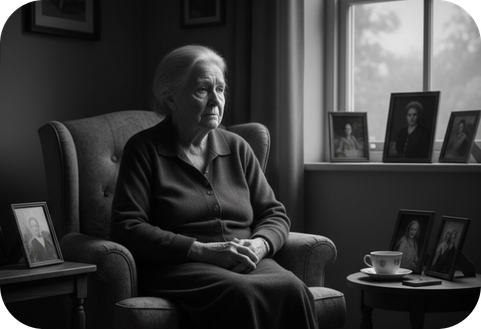
Loneliness is more than an emotional state it has measurable neurological effects. A large study from the National Institute on Aging following over 12,000 adults found that chronic loneliness was associated with a 40% increased risk of developing dementia, even after adjusting for health and lifestyle factors (NIA, 2021). Researchers observed that socially isolated individuals showed faster memory decline and reduced executive function over time.
Similarly, a study published in The Journals of Gerontology reported that socially disengaged seniors experienced accelerated cognitive decline, particularly in memory and attention domains (Springer Nature Link). These findings highlight a critical truth: the brain is deeply social, and when meaningful interaction disappears, cognitive resilience weakens.
Conversation and social engagement activate language, memory, emotional processing, and attention networks simultaneously. Unlike isolated cognitive tasks, human interaction exercises the brain holistically. Research shows that social engagement supports neuroplasticity the brain’s ability to adapt and form new connections even in later life (Frontiers).
Social connection helps regulate stress hormones such as cortisol. Chronic stress is known to damage the hippocampus, the brain region responsible for memory formation. The Harvard Study of Adult Development, one of the longest-running studies on human health, found that quality relationships were the strongest predictor of long-term mental and cognitive health, outweighing wealth, education, and even physical fitness (Harvard Health, 2020).
Feeling valued and heard reinforces identity something that becomes increasingly important as memory changes begin. According to research in Aging & Mental Health, seniors who reported higher levels of social purpose demonstrated better cognitive performance and slower decline over time (NIH).

Brain games and puzzles are often promoted as cognitive protection tools. While they can be helpful, research suggests they are most effective when combined with social interaction. A study in The Lancet Neurology found that cognitive training alone had limited generalization benefits, whereas socially engaging activities produced broader and more lasting cognitive effects (Taylor & Francis Online). In other words, connection amplifies cognition.
Early cognitive decline is a critical window where social connection can make a meaningful difference. Research shows that during the early stages of memory loss, the brain still retains significant plasticity the ability to adapt and form new neural pathways. Regular social interaction during this phase has been linked to slower cognitive decline, improved memory recall, and better emotional regulation.
According to the National Institute of Health seniors who remain socially engaged show lower rates of cognitive deterioration compared to those who experience isolation (NIH). Similarly, studies cited by the Alzheimer’s Association report that loneliness and social isolation can increase the risk of dementia by up to 50%, while consistent social engagement may help delay symptom progression. Conversation, shared activities, and emotional connection stimulate multiple brain regions at once, supporting attention, language, and executive function.

Technology has emerged as a powerful tool in strengthening social connection among seniors, especially those at risk of cognitive decline. Digital platforms designed for older adults such as video calling, voice-based companions, and guided conversation tools help bridge the gap created by mobility limitations, distance from family, or social isolation.
Research from the National Institute on Aging indicates that seniors who regularly use communication technologies experience improved cognitive engagement and reduced loneliness. Similarly, a large-scale study found that older adults who frequently connected with others through digital means had a significantly lower risk of developing dementia-related symptoms (Nature).
Beyond communication, technology supports cognitive stimulation through reminders, memory prompts, and structured social routines. Importantly, when technology is intuitive and emotionally supportive, it enhances confidence rather than creating stress. However, complexity matters. Technology must be emotionally supportive, predictable, and easy to use not overwhelming.

ReComune aligns directly with the growing scientific consensus that social connection is preventive care for cognitive health. Designed specifically for seniors, ReComune focuses on:
By encouraging consistent conversation, ReComune activates memory recall, emotional regulation, and social identity all critical factors shown to support brain health. Studies confirm that frequent conversation improves emotional wellbeing and cognitive engagement in older adults, particularly those at risk of decline. ReComune transforms everyday interaction into a protective cognitive habit, without medicalization or pressure.
Public health experts increasingly view social engagement as a form of preventive cognitive care. The World Health Organization’s Global Action Plan on Dementia emphasizes that social participation is a core strategy for reducing dementia risk at the population level (WHO,2022). This shift reframes brain health not as a clinical issue alone, but as a daily lifestyle practice one rooted in human connection.

Families don’t need complex programs to support cognitive health. Evidence-based steps include:
Consistency matters more than intensity.
Social connection is not a cure for Alzheimer’s. But science consistently shows it can:
According to the National Institute on Aging, combining social engagement with other healthy behaviors (physical activity, nutrition, sleep) offers the strongest protection (NIA, 2023).
So—can social connection slow cognitive decline?
Science says yes.
Scientific evidence increasingly confirms that social connection is fundamental to brain health, not just emotional wellbeing. Regular, meaningful interaction stimulates memory, supports emotional regulation, and strengthens cognitive resilience in aging adults. According to the World Health Organization, social engagement is a key protective factor against cognitive decline and dementia.
Long-term research from the Harvard Study of Adult Development also shows that strong relationships are among the most powerful predictors of lifelong mental and cognitive health. As interest in non-medical prevention grows, it is clear that conversation, belonging, and connection are not optional they are essential. Supporting seniors through consistent social interaction helps protect the brain, preserve dignity, and improve quality of life. Simply put, when we nurture connection, we nurture brain health.
Posted by recomune_dhfskm in Awareness, blog on January 12th, 2026
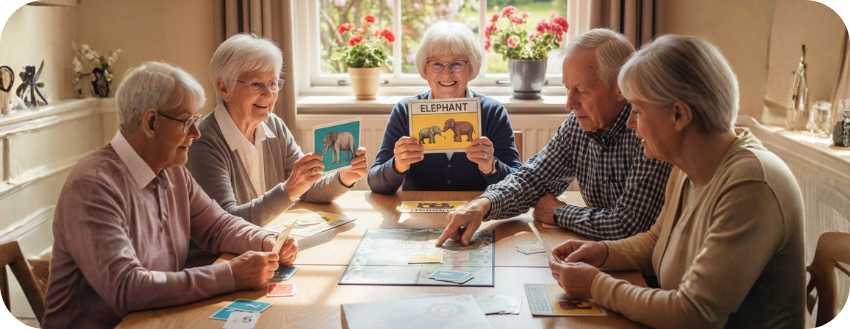
Memory exercises designed for early Alzheimer’s should focus on engagement, familiarity, and emotional safety, rather than difficulty or speed. In the early stage, seniors still retain the ability to learn, recall, and adapt when activities are supportive and stress-free. According to the National Institute on Aging, gentle cognitive stimulation can help maintain mental function and slow cognitive decline when introduced early (NIA, 2023).
Safe memory exercises include conversation, reminiscence, music, simple word games, and routine-based activities. Research published in The Lancet Neurology shows that seniors who regularly engage in mentally stimulating activities experience significantly slower cognitive decline compared to those who do not (Fratiglioni et al). These exercises work best when they are familiar, repetitive, and emotionally positive. Most importantly, they strengthen connection and confidence helping seniors remain active participants in daily life while preserving dignity, independence, and emotional well-being.
Early Alzheimer’s typically affects short-term memory, attention, and word recall. Seniors may forget recent conversations, struggle with familiar tasks, or feel overwhelmed more easily. The National Institute on Aging explains that these early symptoms occur because Alzheimer’s damages the hippocampus first the brain region responsible for forming new memories (NIA, 2023). Importantly, this stage still allows for meaningful cognitive stimulation, which can help preserve function and emotional stability.

Cognitive engagement strengthens existing neural pathways and encourages compensatory brain activity. Long-term studies show that seniors who regularly participate in mentally stimulating activities experience slower cognitive decline than those who do not.
Additionally, mental stimulation:
The key is choosing exercises that are familiar, non-stressful, and emotionally supportive.
Conversation is one of the most powerful and natural memory exercises available. Talking activates language, memory recall, attention, and emotional centers simultaneously. A landmark study found that seniors with frequent social interaction had a 70% lower rate of cognitive decline compared to socially isolated peers (European Medical Journal).
Best practices include:
Conversation reinforces identity and emotional regulation both critical in early Alzheimer’s.

Reminiscence therapy focuses on recalling long-term memories using familiar cues such as photographs, music, or personal objects. Because long-term memory is often preserved longer than short-term memory, this approach builds confidence. A systematic review in Aging & Mental Health confirmed that reminiscence therapy improves mood, communication, and memory recall in individuals with early dementia (ScienceDirect.com).
Examples include:
Simple language-based activities help preserve verbal fluency and cognitive flexibility. According to the Alzheimer’s Society UK, gentle word games can support language retention when they are non-competitive and pressure-free.
Safe activities include:
The goal is engagement, not performance.

Music has a unique effect on the brain. Research from Harvard Medical School shows that familiar music activates brain regions associated with memory and emotion, even when other cognitive abilities decline (Harvard Health Publishing).
Music-based exercises can:
This makes music one of the safest and most enjoyable cognitive tools for seniors.
Daily routines serve as memory reinforcement through repetition. The National Institute on Aging notes that predictable schedules reduce anxiety and confusion in people with Alzheimer’s (NIA, 2023).
Helpful routine anchors include:
Routines provide structure, which supports both emotional and cognitive stability.
Simple problem-solving tasks keep the brain active without overwhelming it. These activities support executive functioning while maintaining dignity.
Examples include:
Studies show that moderate cognitive challenge, not difficulty, yields the best outcomes in early dementia (IntechOpen).
Emotional safety plays a crucial role in supporting memory health, especially for seniors living with early Alzheimer’s. Feelings of stress, fear, embarrassment, or frustration can significantly interfere with the brain’s ability to recall and process information. According to the World Health Organization, chronic stress and anxiety are linked to faster cognitive decline in older adults, while emotional well-being helps protect mental function (WHO, 2022). When seniors feel emotionally safe, the brain is better able to focus, engage, and form connections.
The National Institute on Aging emphasizes that supportive, calm environments reduce agitation and confusion in people with Alzheimer’s (NIA, 2023). Simple actions such as avoiding correction, offering reassurance, using gentle language, and validating emotions can make a meaningful difference. Memory exercises are most effective when seniors feel accepted rather than tested. By prioritizing emotional safety, families create a foundation of trust that allows cognitive activities to become empowering experiences instead of sources of anxiety or self-doubt.
Supportive approaches include:

When thoughtfully designed, technology can enhance not replace human connection. ReComune is a senior-focused platform that supports cognitive wellness through safe, consistent conversation and emotional engagement. Research published in The Gerontologist found that seniors who use simple digital communication tools experience lower depression rates and improved cognitive engagement (Frontiers).
ReComune supports seniors by:
This makes ReComune a practical, non-overwhelming technological companion for seniors and families.
Not all cognitive activities are beneficial for seniors with early Alzheimer’s, and some can unintentionally cause stress or withdrawal. Memory exercises that are too complex, timed, competitive, or error-focused may increase anxiety and reduce confidence. The Alzheimer’s Society warns that activities emphasizing speed or accuracy can make seniors feel tested rather than supported, which may worsen emotional distress (Alzheimer’s Society, 2023).
It is also best to avoid introducing multiple new tasks at once or correcting mistakes harshly. According to the National Institute on Aging, emotional frustration can interfere with memory performance and engagement (NIA, 2023). Effective memory exercises should feel encouraging, familiar, and enjoyable never overwhelming or discouraging.
Avoid:

Professional guidance should be sought when memory changes begin to interfere with daily life or cause noticeable emotional or behavioral shifts. Warning signs include frequent confusion, difficulty performing familiar tasks, repeated questions, significant mood changes, or increased anxiety. The National Institute on Aging advises consulting a healthcare provider when memory problems worsen or persist over time, as early evaluation allows access to appropriate treatment and support (NIA, 2023).
The Alzheimer’s Association also emphasizes that early diagnosis helps families plan care, reduce stress, and improve quality of life for seniors. Seeking help early is not a sign of alarm it is a proactive step toward understanding, support, and compassionate care.
Memory exercises in early Alzheimer’s are not about achieving perfection or reversing the disease they are about preserving connection, dignity, and hope. When designed with empathy and simplicity, these activities help seniors stay emotionally engaged, mentally active, and socially connected. Simple practices such as conversation, music, routine, and gentle recall strengthen more than memory they reinforce identity and self-worth. Research from the World Health Organization emphasizes that emotional engagement and mental stimulation significantly improve quality of life for older adults experiencing cognitive decline.
For families, memory exercises offer a meaningful way to stay connected without pressure or frustration. They create moments of shared understanding and reassurance, even as memory changes. When supported by compassionate tools and consistent routines, memory exercises become powerful reminders that Alzheimer’s does not erase the human need for purpose, belonging, and love. In this way, they serve as enduring tools of connection and enduring sources of hope.
Posted by recomune_dhfskm in Awareness, blog on January 8th, 2026

Living with early Alzheimer’s presents both challenges and opportunities. In the early stages, many individuals can still manage their daily lives, but they may experience memory lapses, difficulty organizing tasks, and occasional disorientation (Alzheimer’s Association, 2024). For those living alone, these symptoms can increase the risk of forgetting to take medications, missing meals, or leaving appliances on (National Institute on Aging, 2024). Social isolation can also accelerate cognitive decline, making connection a key priority (Alzheimer’s Association, 2024).
Fortunately, there are a range of support options available. Seniors can benefit from home safety tools, structured routines, in-home care services, and social platforms like ReComune, which provide meaningful companionship and engagement from home. Early planning, combined with the right resources, empowers seniors to live independently while maintaining dignity, safety, and peace of mind.
“Early Alzheimer’s” refers to the initial phase of Alzheimer’s disease or related dementia, where changes in memory and thinking are noticeable but independence is not immediately lost. According to the Alzheimer’s Association, at this stage:
Importantly, early diagnosis opens a window for planning and support not just treatment so seniors can remain safe and autonomous for as long as possible.

A significant proportion of older adults live alone especially women over age 75. Many individuals with cognitive impairment fall into this group. According to researchers at the University of Wisconsin’s Alzheimer’s Disease Research Center, there are millions of older adults living alone with cognitive challenges, a growing concern as the population ages (ADRC Wisconsin, 2023). While home offers familiarity and comfort, it may also bring unique risks that need to be proactively reduced.
Risks include memory lapses, wandering, medication errors, and social isolation (NIA, 2024). Living alone may increase vulnerability to emergencies and scams (Alzheimer’s Association, 2024). Wandering and disorientation are particularly concerning in unfamiliar environments (Wikipedia, 2024). Early planning is essential. Understanding risks helps seniors and caregivers plan smartly. The most common challenges include:

Memory issues can cause missed appointments, forgotten medication doses, or mismanaged finances. People might also forget whether they’ve eaten, turned off appliances, or closed doors and windows (National Institute on Aging, 2024).
Wandering is a well‑recognized behavior in people with dementia and can lead to serious danger if someone becomes lost or confused about their surroundings (Wikipedia, “Wandering (dementia)”).
Living alone can increase loneliness and depression, which in turn may worsen cognitive health. A study published by the Alzheimer’s Association found that older adults who maintain social engagement may experience slower cognitive decline (Alzheimer’s Association, 2024).
Accidents, falls, or sudden illness without someone nearby can become life‑threatening. Immediate access to help or supervision (even remote) is essential.
Memory loss may make it harder to track bills or protect against fraud. Early legal and financial planning reduces risk of exploitation and stress.

Seniors can benefit from home safety modifications, in-home caregivers, and daily routines supported by calendars and reminders (NIA, 2024). Services like meal delivery and medication management enhance independence (Alzheimer’s Association, 2024). Social platforms like ReComune help reduce isolation and promote cognitive engagement (ReComune, 2025).
Make familiar spaces safer:
Home safety changes are recommended by the National Institute on Aging to support independent living with cognitive impairment (NIA, 2024).
Professional care support may include:
Daily tools make routines more manageable:
These help seniors maintain consistency and reduce forgetfulness (NIA, 2024).
Research shows that staying socially connected helps older adults stay mentally active. Platforms like ReComune offer senior-focused conversation groups to combat loneliness and increase mental stimulation (ReComune, 2025).
According to the Alzheimer’s Association, early diagnosis is the best time to:
Medical alert systems, GPS devices, and Silver Alert networks help responders in case of emergencies. A medical ID bracelet and emergency contacts are basic safety essentials (Wikipedia, “Silver Alert”).

Seniors can access trusted help through the Alzheimer’s Association for care tools and local services (Alzheimer’s Association, 2024). The National Institute on Aging offers safety tips and guides (NIA, 2024). Alzheimers.gov connects users with dementia resources by location (Alzheimers.gov, 2024).

ReComune is a digital community designed to help seniors combat isolation and cognitive decline through meaningful conversations and companionship. By connecting seniors with trained companions and like-minded peers, ReComune:
The platform is particularly helpful for those living alone, offering remote social engagement that enhances quality of life without requiring relocation or in-person visits.
Living alone with early Alzheimer’s demands proactive adjustments to daily life. Experts at the National Institute on Aging recommend simplifying your home: keep clutter to a minimum, label important drawers or appliances, and use visual reminders for tasks like taking medications or locking doors (NIA, 2024). Use large-print calendars, sticky notes, and smartphone alarms to organize daily routines and prompt meals or appointments.
Stay socially active research from the Alzheimer’s Association shows that regular interaction can help reduce cognitive decline and boost mood (Alzheimer’s Association, 2024). Platforms like ReComune provide accessible conversation and companionship, especially for those at risk of isolation (ReComune, 2025). Let trusted friends or neighbors know about your diagnosis so they can check in or help if needed. And consider wearing a medical alert bracelet to ensure responders know your condition in case of an emergency (Wikipedia, “Silver Alert”). Small steps can safeguard independence.
These suggestions align with tips from the Alzheimer’s Resource of Alaska (ALZRA, 2023).
Living alone with early Alzheimer’s is not a solitary journey it’s one that can be supported with the right tools, connections, and mindset. While the condition presents real cognitive, emotional, and physical challenges, it does not mean that seniors must immediately relinquish their independence. In fact, with early planning and awareness, individuals can maintain a high quality of life, autonomy, and safety within their own homes.
Support systems both human and technological play a critical role in making solo living feasible. From in-home care providers and medical alert systems to memory aids and digital platforms like ReComune, these resources empower seniors to live with more confidence and fewer risks. Social connection is equally important: regular interaction, meaningful conversations, and community engagement all have a profound impact on cognitive resilience and emotional well-being.
Posted by recomune_dhfskm in Awareness, blog on January 6th, 2026

An Alzheimer’s diagnosis changes life instantly not only for the person receiving the diagnosis, but for everyone who loves them. Families often experience a flood of emotions: shock, fear, grief, confusion, and uncertainty about what comes next. At the same time, the person diagnosed may feel scared, embarrassed, or overwhelmed by what the future holds.
According to the Alzheimer’s Association, more than 6.7 million Americans aged 65 and older are living with Alzheimer’s disease, and nearly 75% are cared for by family members (Alzheimer’s Association, 2023). While the diagnosis is life-altering, it is also the beginning of a journey where support, patience, dignity, and consistency can significantly improve quality of life. This blog offers practical, compassionate steps to help families support a loved one after an Alzheimer’s diagnosis emotionally, socially, and day to day while avoiding burnout and overwhelm.
After diagnosis, the most important first step is not rushing into decisions. Both the person diagnosed and their family need time to process what the diagnosis means. The National Institute on Aging (NIA) emphasizes that emotional adjustment is a critical part of early Alzheimer’s care (NIA, 2022). Allow space for:
Reassure your loved one that they are not alone and that support will continue. Avoid overwhelming them with information all at once.

Emotional support is just as important as medical care. Seniors with Alzheimer’s often fear losing independence, identity, and control. Research shows that emotional distress can worsen cognitive symptoms. The World Health Organization (WHO) reports that depression and anxiety affect up to 40% of people living with dementia, particularly in the early stages (WHO, 2021).
Ways to offer emotional support:
Maintaining dignity means respecting preferences, involving your loved one in decisions, and avoiding language that feels patronizing.

Effective communication is essential in supporting a loved one with Alzheimer’s, as changes in memory and language can make conversations challenging and emotionally charged. The Alzheimer’s Association emphasizes that how families communicate can significantly influence a senior’s sense of safety and trust (Alzheimer’s Association, 2023). Using short, simple sentences, speaking slowly, and maintaining a calm tone can help reduce confusion and frustration. Asking one question at a time and allowing extra time for responses prevents pressure and anxiety.
Non-verbal communication such as eye contact, gentle touch, and reassuring facial expressions often becomes more meaningful as verbal skills decline. According to the National Institute on Aging, emotional understanding frequently remains intact even when memory fades, making empathy and patience critical (NIA, 2022). Avoid correcting or arguing over facts; instead, validate feelings and redirect gently. Consistent, respectful communication builds trust, reduces agitation, and helps seniors feel understood, valued, and emotionally secure.
The Alzheimer’s Association recommends:
Non-verbal communication eye contact, gentle touch, smiling often becomes more important than words. According to the National Institute on Aging, emotional cues remain meaningful even when memory fades (NIA, 2022).

Predictable daily routines play a vital role in helping people with Alzheimer’s feel safe, calm, and emotionally secure. As memory and reasoning abilities decline, unexpected changes can trigger anxiety, confusion, and agitation. The National Institute on Aging explains that consistent routines reduce mental strain by allowing seniors to rely on familiar patterns rather than constantly processing new information (NIA, 2022).
Simple routines such as waking up, eating meals, engaging in conversation, and going to bed at the same time each day create a sense of structure and stability. Research published in Dementia and Geriatric Cognitive Disorders found that structured daily activities significantly reduced behavioral symptoms and stress in individuals with dementia (ScienceDirect). The Alzheimer’s Association also notes that predictable routines help maintain independence longer and improve cooperation with daily care (Alzheimer’s Association, 2023). Ultimately, routines provide comfort not by controlling life, but by offering reassurance, familiarity, and emotional safety.
Helpful daily anchors include:
Supporting does not mean controlling it means guiding with patience.

Caring for a loved one with Alzheimer’s is an act of love, but it can also be physically and emotionally exhausting. Caregivers often place their own needs last, leading to stress, burnout, and declining health. According to the Alzheimer’s Association, more than 60% of Alzheimer’s caregivers report high emotional stress, and nearly 40% experience symptoms of depression (Alzheimer’s Association, 2023). Supporting the caregiver is essential to sustaining long-term care.
Taking breaks, sharing responsibilities, and seeking support groups or counseling can help caregivers recharge and maintain balance. The Centers for Disease Control and Prevention emphasizes that caregiver wellbeing directly impacts the quality of care provided to seniors (CDC, 2021). Remember, asking for help is not a sign of weakness it is a necessary step in protecting your own health. When caregivers are supported, they are better able to provide compassionate, patient, and consistent care for their loved ones.
Caregivers should:
Supporting a loved one begins with caring for yourself.

Technology can be a powerful ally when designed with seniors’ needs in mind. ReComune offers a safe, scam-free platform focused on empathetic, positive conversation for seniors.
Research shows Aging confirms that regular, meaningful conversation improves emotional regulation and cognitive engagement in older adults. ReComune complements in-person care by reinforcing daily emotional anchors and helping seniors feel heard, valued, and connected especially when families cannot always be present.
An Alzheimer’s diagnosis does not take away a person’s need for meaning, contribution, and purpose. In fact, maintaining a sense of purpose can significantly improve emotional wellbeing and quality of life after diagnosis. Research from the National Institute on Aging shows that engaging in meaningful activities helps reduce depression and supports emotional resilience in seniors with cognitive decline (NIA, 2022). Purpose does not need to be complex it can come from familiar routines, simple responsibilities, creative expression, or sharing stories and memories.
Encouraging seniors to participate in activities they enjoy such as gardening, music, light household tasks, or conversation reinforces identity and self-worth. The Alzheimer’s Association emphasizes that focusing on abilities rather than limitations helps seniors feel valued and respected (Alzheimer’s Association, 2023). By honoring personal interests and allowing continued contribution in adapted ways, families can help ensure that life after diagnosis remains meaningful, connected, and emotionally fulfilling.
Encourage:
Supporting a loved one after an Alzheimer’s diagnosis is a journey that requires more than medical care it requires love, patience, and consistency every single day. Alzheimer’s may change memory and communication, but it does not take away a person’s need for dignity, emotional safety, and meaningful connection. Small, consistent actions gentle conversation, predictable routines, reassurance, and presence can greatly reduce fear and confusion while building trust.
Patience allows families to respond with understanding rather than frustration, especially during moments of repetition or confusion. Consistency provides stability when the world feels uncertain. Most importantly, love reminds seniors that they are still valued, respected, and never alone. With compassionate support, thoughtful planning, and tools that encourage connection, families can help their loved ones continue to experience comfort, purpose, and emotional wellbeing turning caregiving into an act of enduring strength and humanity.
Posted by recomune_dhfskm in Awareness, blog on January 1st, 2026

Living with Alzheimer’s disease can feel overwhelming not only for seniors experiencing cognitive changes, but also for the families who love and care for them. As memory, orientation, and decision-making abilities decline, everyday moments can become confusing and emotionally distressing. One of the most powerful yet often overlooked tools in Alzheimer’s care is a predictable daily routine.
Research consistently shows that structured routines help reduce anxiety, agitation, and confusion in people with Alzheimer’s disease. When daily life feels familiar and predictable, seniors are more likely to feel safe, calm, and emotionally secure. This blog explores why routines matter, how to build them, and how simple daily anchors like meals, conversation, and check-ins can dramatically improve quality of life.
For individuals living with Alzheimer’s disease, the world can often feel confusing, unpredictable, and overwhelming. As the condition affects memory, reasoning, and the ability to process new information, unfamiliar situations or sudden changes can trigger fear, anxiety, and agitation. This is why safety and predictability are essential pillars of Alzheimer’s care.
Research from the Alzheimer’s Association shows that people with Alzheimer’s experience higher stress levels when they cannot anticipate what will happen next, leading to behavioral symptoms such as restlessness, aggression, or withdrawal (Alzheimer’s Association, 2023). Predictable routines help reduce these reactions by creating a sense of familiarity and control. When daily activities follow a recognizable pattern, the brain relies more on preserved procedural memory rather than struggling with constant decision-making.
The National Institute on Aging emphasizes that consistent environments and routines can significantly improve emotional stability and reduce confusion in people with dementia (NIA, 2022). Similarly, the World Health Organization notes that safe, structured daily living supports mental well-being and preserves dignity in older adults with cognitive decline (WHO, 2021). In Alzheimer’s care, predictability is not about restriction it is about providing reassurance, emotional safety, and a stable foundation for daily life.. This can lead to:
The National Institute on Aging (NIA) emphasizes that consistent routines provide a sense of control and reduce stress for individuals with dementia by minimizing surprises and mental overload (NIA, 2022).

Routines work because they reduce the need for constant decision-making. Alzheimer’s damages the brain’s ability to process new information, but procedural memory memory for habits and routines often remains intact longer.
A study published in Dementia and Geriatric Cognitive Disorders found that structured daily routines were associated with lower levels of anxiety and behavioral symptoms in people with mild to moderate dementia (ScienceDirect).
When activities happen in a familiar order:
Routine does not mean rigidity it means reliable patterns that provide reassurance.

Mornings can be particularly disorienting for people with Alzheimer’s. Establishing a gentle, consistent morning routine sets the emotional tone for the entire day.
Helpful morning anchors include:
The World Health Organization notes that predictable morning routines help stabilize circadian rhythms and reduce confusion in older adults with cognitive impairment (WHO, 2021). Even small habits like listening to the same music or having tea in the same chair can offer powerful emotional grounding.
Meals are more than nutrition they are one of the strongest daily anchors for people with Alzheimer’s. Familiar mealtime routines provide comfort, structure, and social connection.
Research shows that consistent mealtimes can:
According to the Alzheimer’s Society, seniors with dementia experience less stress when meals occur at predictable times in familiar settings (Alzheimer’s Society, 2022).
Helpful strategies include:

“Sundowning” increased confusion and agitation in the late afternoon or evening is common in Alzheimer’s disease. The Centers for Disease Control and Prevention (CDC) reports that up to 20% of people with Alzheimer’s experience significant sundowning symptoms (CDC, 2021).
Consistent evening routines can help by:
Effective evening anchors include:
While predictable routines are essential in Alzheimer’s care, flexibility within those routines is equally important as the disease progresses. Alzheimer’s symptoms change over time, affecting energy levels, attention span, and functional abilities. The National Institute on Aging recommends maintaining consistent daily anchors such as wake-up times, meals, and bedtime while adapting how activities are carried out to match the individual’s current abilities (NIA, 2022).
For example, a routine that once included cooking together may evolve into simple participation, such as stirring or setting the table. Research published in Aging & Mental Health shows that flexible routines reduce frustration and help preserve dignity by allowing seniors to remain involved without feeling pressured. The Alzheimer’s Association also emphasizes that adapting routines gradually helps minimize anxiety and resistance to care (Alzheimer’s Association, 2023). In Alzheimer’s care, structure provides security but flexibility ensures compassion, comfort, and respect at every stage.
Caregivers should:

Technology, when designed thoughtfully, can strengthen daily routines rather than disrupt them. ReComune is an example of a platform created specifically to support seniors through safe, empathetic, and scam-free conversation.
ReComune helps reinforce daily emotional anchors by:
Research indicates that consistent social engagement even through digital conversation can reduce feelings of isolation and support cognitive health in older adults (Springer Nature Link). By integrating ReComune into daily routines, families can add an extra layer of emotional safety and continuity especially when in-person interaction is limited.
It is important to seek professional guidance when memory or behavior changes begin to interfere with daily life or cause emotional distress for seniors or their families. Occasional forgetfulness is normal, but frequent memory loss, repeated confusion, difficulty performing familiar tasks, or noticeable mood and personality changes should not be ignored. The Alzheimer’s Association recommends consulting a healthcare professional as soon as cognitive symptoms become persistent or worsen over time, as early evaluation allows access to treatment options and support services (Alzheimer’s Association, 2023).
The National Institute on Aging advises starting with a primary care physician, who can assess symptoms and refer individuals to neurologists or memory specialists if needed (NIA, 2022). Early professional guidance also helps families plan for care, safety, and emotional support. According to the Centers for Disease Control and Prevention (CDC), timely diagnosis and intervention can significantly improve quality of life and reduce caregiver stress (CDC, 2021).
Families should seek professional advice if they notice:
Early intervention allows for better planning and support. The Alzheimer’s Association emphasizes that combining medical care with structured daily routines leads to the best outcomes for both seniors and caregivers (Alzheimer’s Association, 2023).
Daily routines are not about control they are about comfort, safety, and dignity. For people living with Alzheimer’s, predictability reduces fear and restores a sense of stability in an uncertain world. Simple anchors meals, conversation, reassurance, and check-ins can profoundly improve emotional well-being. When combined with compassionate tools like ReComune, routines become more than schedules; they become lifelines of connection and trust. Alzheimer’s changes many things, but it does not erase the human need for safety, familiarity, and care. Through thoughtful routines and meaningful connection, families can help ensure that no one faces Alzheimer’s feeling lost or alone.
Posted by recomune_dhfskm in Awareness, blog on December 30th, 2025

As seniors grow older, changes in memory, thinking, and behavior are common. Forgetting names, misplacing keys, or taking longer to recall information can feel unsettling but are these changes simply part of normal aging, or could they be early signs of Alzheimer’s disease? For families and older adults alike, this question often brings anxiety and confusion.
According to the Alzheimer’s Association, Alzheimer’s disease affects more than 6.7 million Americans aged 65 and older, and many cases go unrecognized in the early stages when awareness and planning matter most (Alzheimer’s Association, 2023). This blog is designed to help seniors and families clearly understand the difference between normal age-related cognitive changes and early warning signs of Alzheimer’s, know when to seek professional help, and explore how supportive technology such as ReComune can play a role in reducing emotional and cognitive risks.

Normal aging brings gradual changes in memory and thinking, but these changes do not interfere with daily independence or decision-making. As the brain ages, it may take longer to process information or recall names and details. Occasional forgetfulness such as misplacing items or needing reminders is common and usually harmless. According to the National Institute on Aging, mild memory lapses are a normal part of aging and do not indicate dementia when daily functioning remains intact (NIA, 2022). Research shows that nearly 40% of adults over age 65 report occasional memory concerns, yet most do not develop Alzheimer’s disease (Alzheimer’s Association). Importantly, normal aging does not cause persistent confusion, personality changes, or difficulty performing familiar tasks. The Alzheimer’s Association emphasizes that the key difference lies in impact normal aging may be frustrating, but it does not disrupt everyday life (Alzheimer’s Association, 2023). Understanding these expected changes helps families respond with reassurance rather than unnecessary fear.
The National Institute on Aging (NIA) explains that normal aging may involve mild forgetfulness, but it does not interfere with daily functioning, judgment, or personal safety (NIA, 2022).
Alzheimer’s disease is a progressive neurological disorder that affects memory, thinking, behavior, and the ability to carry out everyday activities. It is the most common cause of dementia, accounting for an estimated 60–70% of dementia cases worldwide (WHO, 2023). Unlike normal aging, Alzheimer’s worsens over time as abnormal protein buildup damages brain cells and disrupts communication between neurons.
According to the Alzheimer’s Association, more than 6.7 million Americans aged 65 and older are currently living with Alzheimer’s disease, and this number is expected to nearly double by 2050 if no breakthrough treatment is found (Alzheimer’s Association, 2023). Symptoms often begin subtly such as short-term memory loss or confusion but gradually interfere with independence, judgment, and emotional regulation. The National Institute on Aging emphasizes that Alzheimer’s is not a normal part of aging and requires medical evaluation when cognitive changes begin to affect daily life (NIA, 2022).
| Normal Aging | Alzheimer’s Disease |
|---|---|
| Occasionally forgets information | Frequently forgets recent events |
| Can retrace steps | Gets lost in familiar places |
| Manages daily tasks independently | Struggles with routine activities |
| Mood mostly stable | Noticeable mood or personality changes |
The Alzheimer’s Association emphasizes that memory loss that disrupts daily life is not a normal part of aging (Alzheimer’s Association, 2023).
The most recognized early sign of Alzheimer’s is persistent short-term memory loss.
Warning signs include:
According to the National Institute on Aging, Alzheimer’s-related memory loss is progressive and affects the ability to retain new information

Seniors with early Alzheimer’s may struggle with activities they once handled easily, such as:
The Centers for Disease Control and Prevention (CDC) identifies difficulty with daily tasks as a core indicator of cognitive impairment (CDC, 2021).
Normal aging may include occasional confusion, but Alzheimer’s causes:
According to the Alzheimer’s Association, this disorientation becomes more frequent and severe over time (Alzheimer’s Association, 2023).

Alzheimer’s often affects emotions early. Families may notice:
Studies in The Journal of Alzheimer’s Disease show that behavioral and mood changes can appear before major memory decline.
Language changes may include:
The National Institute on Aging notes that Alzheimer’s affects brain regions responsible for communication early in the disease process (NIA, 2022).
Professional evaluation is recommended if memory or thinking changes:
The Alzheimer’s Association recommends starting with a primary care physician, who may refer patients to a neurologist or memory specialist for further assessment (Alzheimer’s Association, 2023).

Early identification of Alzheimer’s does not change the diagnosis but it changes the journey.
A landmark report in The Lancet highlights early intervention and lifestyle support as essential in reducing dementia risk and improving outcomes.
The emotional impact of cognitive changes whether due to normal aging or Alzheimer’s disease can be profound for both seniors and their families. Seniors may experience fear, frustration, sadness, or loss of confidence as memory and thinking abilities change. According to the World Health Organization, depression affects nearly 14% of adults aged 60 and older, often linked to loneliness, health concerns, or cognitive decline (WHO, 2021). These emotional challenges are frequently underreported, as many seniors hesitate to express distress.
Families also face emotional strain. A report from the Alzheimer’s Association found that over 60% of family caregivers report high levels of stress, anxiety, or emotional exhaustion when supporting a loved one with cognitive impairment (Alzheimer’s Association, 2023). Uncertainty, fear of the future, and feelings of guilt are common. The Centers for Disease Control and Prevention (CDC) emphasizes that emotional support for both seniors and caregivers is essential to maintaining mental health, strengthening relationships, and improving overall quality of life during cognitive transitions (CDC, 2021).

While there is no cure for Alzheimer’s, research consistently shows that emotional engagement, mental stimulation, and regular conversation play a protective role in cognitive health.
ReComune is a scam-free, senior-focused conversational platform designed to promote:
Research published in JMIR Aging confirms that regular, meaningful conversation improves emotional wellbeing and cognitive engagement in older adults (JMIR). By encouraging daily conversation and emotional connection, ReComune helps seniors remain mentally active and emotionally supported especially during early cognitive changes. For families, ReComune provides peace of mind, knowing their loved ones have consistent, compassionate interaction even when in-person contact is limited.
Understanding whether changes are normal aging or Alzheimer’s allows seniors and families to:
The National Institute on Aging emphasizes that early planning helps seniors remain active participants in decisions about their future (NIA, 2022).
Not all memory changes mean Alzheimer’s but persistent warning signs should never be ignored. Normal aging involves mild, manageable changes, while Alzheimer’s causes progressive decline that interferes with daily life. By recognizing the difference early, seniors and families can seek medical guidance, reduce fear, plan thoughtfully, and build supportive routines that protect dignity and quality of life. With medical care, emotional connection, and supportive tools like ReComune, aging can remain meaningful, connected, and empowering.
Posted by recomune_dhfskm in Awareness, blog on December 26th, 2025

Alzheimer’s disease often begins quietly. In its earliest stages, the changes may seem small forgetting names, misplacing items, or feeling confused during routine tasks. Many families dismiss these signs as “just getting older.” But while some memory changes are part of normal aging, others may be early warning signs of Alzheimer’s disease that should not be ignored.
According to the Alzheimer’s Association, more than 6 million people in the United States are currently living with Alzheimer’s, and early detection plays a crucial role in planning care, managing symptoms, and maintaining quality of life (Alzheimer’s Association, 2023). This blog is designed to help families understand the most common early symptoms of Alzheimer’s, recognize the difference between normal aging and warning signs, and know when and how to seek professional advice with compassion, clarity, and confidence.

Alzheimer’s disease is a progressive neurological condition that affects memory, thinking, behavior, and the ability to carry out everyday activities. It is the most common cause of dementia and worsens over time. The National Institute on Aging (NIA) explains that Alzheimer’s begins years before noticeable symptoms appear, as abnormal protein changes gradually damage brain cells (NIA, 2022). This is why early signs can be subtle and easily overlooked.
One of the biggest challenges families face is distinguishing normal age-related changes from early Alzheimer’s warning signs.
According to the Alzheimer’s Association, when memory loss or confusion begins to interfere with daily functioning, it is no longer considered normal aging (Alzheimer’s Association, 2023).

Memory loss is often the first symptom families notice but not all memory loss is the same.
The National Institute on Aging notes that Alzheimer’s-related memory loss typically affects short-term memory first, making it difficult to retain new information (NIA, 2022).
People in the early stages of Alzheimer’s may struggle with tasks they once performed easily.
Examples include:
This is not about forgetting once it’s about repeated difficulty with routine activities. The Centers for Disease Control and Prevention (CDC) identifies functional decline as a key early indicator of cognitive impairment (CDC, 2021).
Confusion may appear as:
While momentary confusion can happen at any age, persistent disorientation is a warning sign. According to the Alzheimer’s Association, this confusion often increases over time and becomes more frequent (Alzheimer’s Association, 2023).

Alzheimer’s does not only affect memory it also affects emotions.
Families may notice:
Research shows that mood and behavioral changes often appear early, sometimes before significant memory loss (ScienceDaily).
Language difficulties can include:
The National Institute on Aging explains that language-processing areas of the brain are affected early in Alzheimer’s, making communication increasingly challenging (NIA, 2022).
Early detection of Alzheimer’s does not change the diagnosis but it changes everything else.
A report in The Lancet Neurology emphasizes that early recognition allows individuals and families to plan proactively and improve long-term outcomes (The Lancet).
Families should consider consulting a healthcare professional if they notice:
The Alzheimer’s Association recommends starting with a primary care physician, who may then refer the individual to a neurologist or memory specialist for further evaluation (Alzheimer’s Association, 2023).
Diagnosis typically includes:
Early diagnosis does not label someone it opens the door to support, education, and planning.

Recognizing early signs of Alzheimer’s can be emotionally overwhelming for families. Fear, denial, guilt, and uncertainty are common reactions. The World Health Organization (WHO) emphasizes that emotional support for both individuals and caregivers is essential in managing dementia-related conditions (WHO, 2021).
Open, compassionate conversations help families:
While there is currently no cure for Alzheimer’s, early emotional and cognitive support can significantly improve daily life.
Supportive environments help individuals:
Studies in JMIR Aging show that regular, positive communication improves emotional wellbeing and cognitive engagement in older adults experiencing memory changes (JMIR Aging).
Thoughtfully designed technology can play a supportive role by:
However, experts stress that technology should enhance human connection, not replace it.

When early signs of Alzheimer’s begin to appear, emotional support and consistent connection become just as important as medical care. ReComune helps seniors and families by providing a safe, scam-free, and empathetic platform designed specifically for older adults. Through gentle, positive conversations, ReComune supports emotional regulation, reduces loneliness, and encourages cognitive engagement key factors shown to protect mental wellbeing in early cognitive decline.
For seniors, ReComune offers a reassuring space to talk, reflect, and stay mentally active without pressure or judgment. For families, it provides peace of mind, knowing their loved ones are emotionally supported even when daily in-person interaction is not possible. By promoting conversation, routine connection, and emotional safety, ReComune complements professional care and helps families navigate early Alzheimer’s changes with compassion, dignity, and confidence.
Early awareness allows families to:
The National Institute on Aging emphasizes that planning early gives individuals a voice in their future care and preserves independence for as long as possible (NIA, 2022).
Early signs of Alzheimer’s disease are easy to overlook but recognizing them early is an act of compassion, not fear. Memory loss, confusion, mood changes, and difficulty with familiar tasks are not simply “part of aging” when they disrupt daily life. By understanding the difference between normal aging and warning signs, families can seek professional guidance sooner, plan thoughtfully, and create supportive environments that protect dignity and emotional wellbeing. Alzheimer’s begins quietly but awareness, conversation, and early action can make the journey clearer, calmer, and more humane for everyone involved.
Posted by recomune_dhfskm in Awareness, blog on December 24th, 2025

Living alone after the age of 65 is often portrayed as a symbol of independence, strength, and self-reliance. Many seniors take pride in maintaining their own homes, managing daily routines, and proving they can still “handle things on their own.” But behind closed doors, a quieter reality often exists one that is rarely discussed openly. For millions of older adults, living alone also means loneliness, emotional isolation, unspoken fears, and a reluctance to ask for help. These emotional challenges are common, yet deeply stigmatized. As a result, many seniors suffer in silence, believing their struggles are a personal failure rather than a shared human experience.
According to the U.S. Census Bureau, nearly 28% of adults aged 65 and older live alone, a number that continues to rise each year. While independence can be empowering, research consistently shows that seniors living alone face higher risks of loneliness, depression, anxiety, and cognitive decline (Census.gov). This blog explores the emotional realities of living alone after 65, why these struggles often go unspoken, and how families, communities, and technology can help break the stigma around asking for support.
Several social and demographic shifts have contributed to the growing number of seniors living independently:
According to the National Institute on Aging (NIA), most older adults prefer to age in place rather than move in with family or into assisted living (National Institute on Aging). While this choice supports autonomy, it can unintentionally increase emotional vulnerability. Living alone does not automatically mean being lonely but it significantly raises the risk, especially when mobility, health, or social circles begin to shrink.

Loneliness rarely arrives all at once. It often begins with:
A report found that more than one-third of adults over 65 experience loneliness, even if they appear socially functional (ScienceDirect.com).
Unlike temporary loneliness, chronic loneliness can:
Many seniors were raised in a time when emotional expression was discouraged. Admitting sadness, fear, or loneliness was often seen as weakness.
As a result, older adults may:
The American Psychological Association (APA) reports that emotional suppression in older adults is strongly linked to depression and reduced life satisfaction (APA PsycNet).
One of the most powerful emotional barriers seniors face is the belief that asking for help will burden their family.
Common thoughts include:
This mindset prevents many seniors from reaching out, even when emotional support could dramatically improve their well-being.
Living alone heightens awareness of vulnerability:
According to the Centers for Disease Control and Prevention (CDC), seniors living alone experience higher levels of health-related anxiety, which can worsen sleep, memory, and emotional regulation (CDC, 2021).

The emotional challenges of living alone are not just psychological they are neurological. A landmark study published in The Lancet identified social isolation and loneliness as major risk factors for dementia, increasing risk by nearly 50% (The Lancet).
Loneliness affects the brain by:
The National Institute on Aging confirms that emotional well-being and cognitive health are deeply interconnected, especially in later life (National Institute on Aging).
Despite these risks, many seniors hesitate to seek emotional support due to stigma.
According to the World Health Organization (WHO), mental health conditions in older adults are widely underreported because many seniors believe emotional distress is simply “part of aging” (WHO, 2021). It is not. Feeling lonely, sad, or overwhelmed is not a personal failure it is a human response to change and isolation.

Emotional support does not reduce independence it strengthens it. Research from The Journal of Aging Studies shows that seniors who feel emotionally supported are:
Emotional connection provides:
Families often want to help but don’t know how especially when seniors say they’re “fine.”
The CDC emphasizes that emotional check-ins are just as important as physical health monitoring for older adults (CDC, 2021).
When distance or schedules limit family availability, technology can help fill emotional gaps if designed correctly. A study in JMIR Aging found that seniors using supportive communication technologies experienced:
However, many platforms:

ReComune is designed specifically to support seniors who live independently but need emotional connection.
Unlike traditional social media, ReComune focuses on emotional well-being, dignity, and safety, making it especially valuable for seniors who live alone. Families gain peace of mind knowing their loved ones are:
Breaking the Stigma: Asking for Help Is Strength
For many seniors, asking for help feels uncomfortable because it has long been associated with weakness, dependence, or loss of control. Many grew up believing they should “handle things on their own,” even when emotional challenges become overwhelming. This stigma often leads seniors to hide loneliness, anxiety, or sadness, believing these feelings are simply part of aging. In reality, asking for help is a powerful act of strength and self-awareness. It shows courage, not failure. Emotional support helps seniors maintain independence, not lose it.
Research from the World Health Organization emphasizes that seeking social and emotional support is a key factor in healthy aging, not a sign of decline (WHO, 2021). When seniors feel safe reaching out whether to family, friends, or supportive platforms they are more resilient, emotionally balanced, and mentally strong. Normalizing help-seeking allows seniors to protect their well-being while continuing to live with dignity, confidence, and purpose.
Conclusion: Independence Should Never Mean Emotional Isolation
Independence in later life is a powerful achievement, reflecting resilience, experience, and self-reliance. However, independence should never require seniors to face emotional struggles alone. Living independently after 65 does not eliminate the human need for connection, understanding, and reassurance. Loneliness, unspoken fears, and emotional silence can quietly erode well-being when support feels out of reach or asking for help feels stigmatized.
True healthy aging balances autonomy with emotional connection. When seniors feel safe expressing their feelings, staying socially engaged, and receiving consistent emotional support, they are better equipped to maintain both mental and cognitive health. Families, communities, and thoughtfully designed technologies all have a role to play in ensuring seniors are not isolated behind the idea of independence. Emotional support does not weaken independence it strengthens it. By normalizing conversations about loneliness and encouraging connection, we can help seniors live independently while still feeling valued, supported, and deeply connected to the world around them.
Posted by recomune_dhfskm in Awareness, blog on December 19th, 2025

For years, the concept of active aging has been narrowly defined by physical activity walking more, exercising regularly, staying mobile. While physical health is undeniably important, this one-dimensional view misses a critical truth: aging well is just as much about emotional and mental engagement as it is about physical movement. As people live longer than ever before, the real challenge of aging is no longer just adding years to life, but adding life to those years. This blog describes emotional well-being, social connection, and mental stimulation play an equally powerful role in determining how well seniors age. Active aging is not only about strong muscles it’s about strong connections, emotional resilience, purpose, and daily engagement.
The World Health Organization (WHO) defines active aging as “the process of optimizing opportunities for health, participation, and security to enhance quality of life as people age” (WHO, 2002). While physical health is included, participation and emotional security are equally emphasized yet often overlooked in everyday discussions.
Modern aging requires a broader lens:
A senior who exercises daily but feels lonely, unheard, or disconnected is not aging actively in the fullest sense.

Emotional health is the foundation of active aging because it shapes how seniors cope with change, stay motivated, and remain socially engaged. Positive emotional well-being supports resilience, protects cognitive function, and enhances quality of life ensuring aging is not just about staying active, but staying connected, confident, and fulfilled.
According to the American Psychological Association (APA), emotional health directly influences physical outcomes, immune function, and longevity in older adults (APA, 2021). Chronic emotional distress such as loneliness or unresolved grief can:
In contrast, positive emotional engagement promotes resilience and cognitive stability.
Loneliness is one of the most significant but least discussed barriers to active aging. A landmark report by the National Academies of Sciences, Engineering, and Medicine found that more than one-third of adults over 65 experience chronic loneliness, even when living independently (NASEM, 2020).
Loneliness is linked to:
Research published in The Lancet identified social isolation as a major modifiable risk factor for dementia, comparable to physical inactivity (The Lancet). Active aging cannot exist in emotional isolation.
Mental activity is a cornerstone of emotional and cognitive wellness. The National Institute on Aging (NIA) emphasizes that consistent mental engagement helps maintain:
Mental engagement includes:
Unlike passive entertainment, interactive mental engagement strengthens neural pathways and emotional confidence (NIA, 2022).

One of the most overlooked emotional challenges of aging is the loss of identity after retirement. For decades, work and caregiving provide structure, purpose, and social interaction. When these roles end, many seniors experience:
A study in the Journal of Aging and Health found that seniors who maintain a sense of purpose have:
Active aging means helping seniors feel useful, valued, and heard, not just physically capable.
Active aging thrives on daily emotional touchpoints. Even brief moments of connection conversation, shared reflection, emotional check-ins can:
According to JMIR Aging, seniors who engage in regular, positive communication experience significantly reduced loneliness and improved emotional well-being (Journal of Medical Internet Research). Connection does not need to be constant it needs to be consistent and meaningful.
Technology is often framed as a barrier for older adults, but research shows it can be a powerful emotional tool when designed thoughtfully. The key difference lies in how technology is used.
Supportive, senior-friendly platforms can:
The Pew Research Center reports growing adoption of digital tools among older adults, particularly when technology meets emotional and social needs rather than complexity (Pew, 2021).

ReComune represents a new generation of aging-focused technology designed not for distraction, but for connection and emotional well-being.
Unlike traditional social platforms, ReComune prioritizes emotional wellness over noise, helping seniors stay mentally and emotionally active without overwhelm. Families benefit as well, knowing their loved ones are emotionally supported even when distance limits daily contact.
Active aging is deeply rooted in emotional resilience the ability to adapt to change, cope with loss, and maintain a positive outlook as life circumstances evolve. As seniors face transitions such as retirement, health changes, or reduced social networks, emotional resilience becomes essential for preserving mental well-being and quality of life. The American Psychological Association (APA) highlights that emotionally resilient older adults are better equipped to manage stress, maintain social connections, and protect cognitive health (APA, 2021).
Emotional resilience is strengthened through meaningful relationships, regular emotional expression, and a sense of purpose. Research from the National Institute on Aging also confirms that emotional well-being supports memory, decision-making, and overall brain function in later life (NIA, 2022). When seniors are encouraged to build emotional resilience, they are more likely to remain engaged, confident, and adaptable. Active aging, therefore, is not only about staying physically capable it is about nurturing the emotional strength that allows seniors to thrive through every stage of aging.
Emotional resilience allows seniors to:
The World Health Organization emphasizes emotional well-being as a foundational pillar of healthy aging not an optional extra (WHO, 2021).

A forward-looking vision of active aging moves beyond outdated ideas that focus only on physical independence. It recognizes that aging well means staying emotionally engaged, mentally stimulated, and socially connected throughout later life. As life expectancy increases, the goal is no longer just to live longer, but to live better with purpose, dignity, and fulfillment.
The World Health Organization (WHO) emphasizes that active aging is built on health, participation, and security, highlighting emotional well-being and social inclusion as essential components of healthy aging (WHO, 2002). This vision encourages open conversation, lifelong learning, and meaningful relationships, while also acknowledging the positive role of thoughtfully designed technology in reducing isolation and strengthening cognitive engagement. When communities, families, and digital tools work together, they create supportive environments where seniors feel safe, valued, and included empowering older adults to remain active participants in their lives with confidence and purpose.
It must:
A forward-looking model of aging recognizes that emotional engagement is not secondary it is essential.
Active aging is not defined by physical strength alone it is a full-life experience that embraces emotional well-being, mental engagement, and meaningful connection. While movement and fitness support the body, it is emotional resilience, social participation, and a sense of purpose that truly sustain quality of life as we age. Seniors thrive when they feel heard, valued, and connected to others, not when they are expected to “stay strong” in isolation.
A forward-looking approach to aging recognizes that emotional health, daily interaction, and mental stimulation are just as vital as physical activity. By encouraging conversation, nurturing relationships, and embracing supportive tools and communities, we create an environment where seniors can continue to grow, adapt, and find joy. Active aging is about staying involved in life emotionally, mentally, and socially. When aging is viewed as a holistic journey rather than a physical challenge, seniors are empowered to live with dignity, confidence, and a lasting sense of fulfillment.