
Recent Comments
Posted by recomune_dhfskm in Awareness, blog on December 15th, 2025
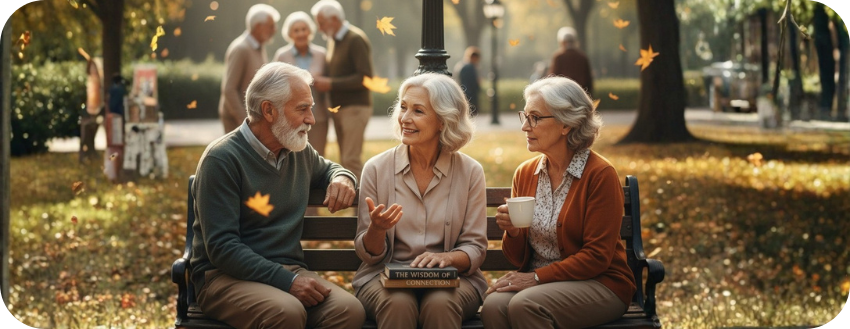
Conversation is one of the most natural human activities, yet its power is often underestimated especially in later life. For seniors, conversation is far more than casual talk; it is a critical tool for emotional regulation, cognitive health, memory recall, and maintaining a sense of purpose. As people age, daily opportunities for conversation often decline due to retirement, loss of loved ones, reduced mobility, and social isolation. The National Institute on Aging notes that reduced social interaction can negatively affect both mental and emotional health in older adults (NIA, 2022).
What many don’t realize is that this decline in conversation can quietly accelerate loneliness, depression, and cognitive decline. Research published in The Lancet identifies social isolation as a major modifiable risk factor for dementia (The Lancet). Additional studies in JMIR Aging confirm that regular, meaningful conversation significantly improves emotional well-being and cognitive engagement in seniors (JMIR Aging). Together, this evidence highlights conversation as a core pillar of healthy and active aging.

Human brains are wired for connection. Conversation activates multiple regions of the brain simultaneously, including areas responsible for language, memory, emotion, and attention. According to the National Institute on Aging (NIA), social engagement including conversation is strongly linked to better cognitive function, lower rates of depression, and improved quality of life in older adults (NIA, 2022).
Yet many seniors experience a sharp decline in daily conversation:
The absence of conversation is not just social it is neurological.
Conversation is a form of active mental stimulation. Unlike passive activities such as watching television, conversation requires:
A study published in Frontiers in Psychology found that conversational engagement improves executive function, memory recall, and emotional processing in older adults (Frontiers.org). In simple terms: talking keeps the brain working.
Emotional regulation refers to the ability to understand, express, and manage emotions. As seniors face life changes health concerns, loss, loneliness emotional regulation becomes increasingly important. According to the American Psychological Association (APA), verbalizing emotions helps reduce emotional intensity and improves psychological resilience (APA, 2021).
Conversation helps seniors:
Suppressing emotions, on the other hand, is linked to higher rates of depression and anxiety in older adults. When seniors have someone to talk to, emotions become manageable rather than overwhelming.
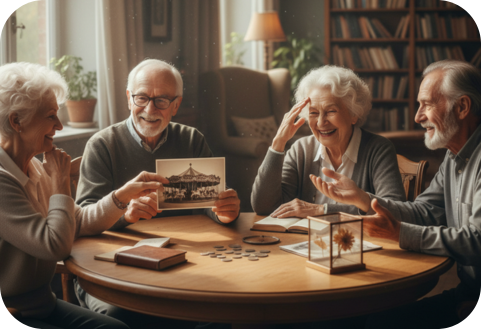
Memory thrives on use. Conversation naturally prompts seniors to:
The hippocampus, a key memory center, is actively engaged during storytelling and dialogue. A study in Neurology showed that seniors who regularly engaged in social and conversational activities experienced slower memory decline compared to those who were socially isolated (National Institutes of Health).
Reminiscing talking about past experiences is especially powerful. Research in Aging & Mental Health shows that reminiscing through conversation:
Conversation doesn’t just preserve memory it reinforces a senior’s life story.
A sense of purpose is strongly associated with longevity and cognitive health. According to a large-scale study published in JAMA Psychiatry, seniors with a strong sense of purpose had a 30% lower risk of cognitive decline and dementia (JAMA).
Conversation supports purpose by allowing seniors to:
When seniors stop talking, they often stop feeling needed. Conversation restores relevance.
Living alone does not automatically mean loneliness but lack of conversation often leads to it. The National Academies of Sciences, Engineering, and Medicine report that chronic loneliness affects over one-third of adults aged 65+, significantly increasing risks of depression, heart disease, and cognitive decline (NASEM, 2020). Loneliness is not about the number of people around it’s about the absence of meaningful conversation.
Conversation plays a meaningful role in reducing dementia risk by keeping the brain socially and cognitively engaged. The Lancet Commission on Dementia Prevention identifies social isolation as a major modifiable risk factor, noting that limited social interaction can increase dementia risk by up to 50% (The Lancet, 2020). Regular conversation activates multiple brain regions involved in memory, language, and emotional processing, helping preserve cognitive function.
The National Institute on Aging also reports that seniors who stay socially engaged through conversation show slower cognitive decline and better memory performance (NIA, 2022). While conversation cannot prevent dementia entirely, consistent social interaction can delay onset, slow progression, and significantly improve quality of life for older adults. The Lancet Commission on Dementia Prevention identifies social isolation as a major modifiable risk factor, comparable to physical inactivity and low education (The Lancet, 2020).
While conversation cannot cure dementia, it can:
This makes conversation a low-cost, high-impact intervention for aging populations.
Despite its benefits, many seniors hesitate to engage in emotional conversation due to:
The World Health Organization (WHO) notes that emotional distress in older adults is widely underreported, largely due to stigma and lack of supportive environments (WHO, 2021). Creating safe spaces for conversation is essential.

Families play a critical role in restoring conversational engagement.
Effective strategies include:
The Centers for Disease Control and Prevention (CDC) emphasizes that regular social and emotional check-ins are essential for senior mental health (CDC, 2021).
When families are busy or distant, technology can help maintain conversational engagement if designed correctly. Research published in JMIR Aging shows that seniors using supportive communication technologies experienced:
However, many mainstream platforms are overwhelming or unsafe for seniors.
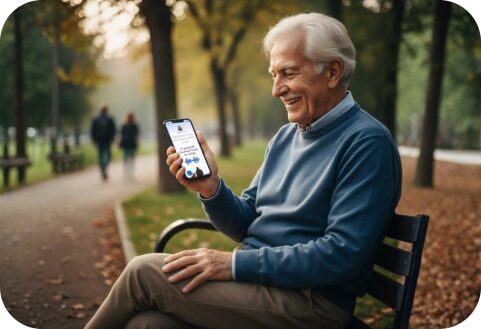
ReComune is designed specifically to support seniors through safe, empathetic conversation.
How ReComune Helps
Unlike social media, ReComune prioritizes emotional wellbeing over noise, making conversation accessible and comfortable for seniors. For families, it offers peace of mind knowing their loved ones are never emotionally isolated.
As healthcare increasingly shifts toward prevention, conversation should be recognized as a powerful form of preventive care for seniors. The World Health Organization (WHO) emphasizes that social participation and emotional connection are essential components of healthy aging, helping reduce the risk of cognitive decline and depression (WHO, 2021).
Regular, meaningful dialogue supports emotional regulation, stimulates memory, and lowers loneliness one of the strongest risk factors for dementia identified by The Lancet Commission on Dementia Prevention (The Lancet, 2020). Research published in JMIR Aging also shows that seniors who engage in consistent conversational interaction experience improved emotional well-being and cognitive engagement (JMIR Aging). By treating conversation as preventive care, families and communities can proactively protect senior mental health and long-term wellbeing.
It is:
The WHO Active Aging Framework emphasizes participation and connection as essential to healthy aging (WHO, 2002). Conversation fulfills both.
Conversation is far more than casual interaction it is a powerful foundation of senior wellbeing. Through meaningful dialogue, older adults regulate emotions, strengthen memory recall, and reaffirm their sense of purpose. Regular conversation gives seniors the opportunity to express feelings, share life experiences, and feel genuinely heard, which reduces loneliness and emotional distress. It also keeps the brain active, engaging memory, language, and attention in ways that passive activities cannot.
As aging often brings quieter days and fewer social interactions, conversation becomes even more essential. It restores connection, reinforces identity, and reminds seniors that their thoughts and experiences still matter. Whether through family conversations, community engagement, or supportive digital platforms, creating space for regular dialogue can dramatically improve quality of life.Yes conversation truly improves senior wellbeing. It nurtures emotional balance, supports cognitive health, and brings meaning to everyday life. Sometimes, the simplest act of listening and talking is the most powerful form of care we can offer.
Posted by recomune_dhfskm in Awareness, Infographic on December 10th, 2025
Validating the impact of brief social interventions with clinical research.
Social isolation is associated with heightened cortisol reactivity to acute stress.
Ref: Heinrichs et al. (2003)
Social support significantly suppresses cortisol levels and heart rate during stress.
Ref: Heinrichs et al. (2003)
Increase in likelihood of survival for those with strong social connections.
Source: Holt-Lunstad (2010)
Brief interactions with acquaintances (weak ties) significantly increase positive affect.
Source: Sandstrom & Dunn (2014)
Loneliness carries a mortality risk equivalent to smoking 15 cigarettes daily.
Source: Holt-Lunstad (2015)
The data presented aggregates findings from three landmark studies in social psychology and epidemiology. These studies validate the core ReComune premise: that brief social interactions act as a buffer against stress and significantly improve subjective well-being compared to solitude.
Posted by recomune_dhfskm in Awareness, blog on December 1st, 2025
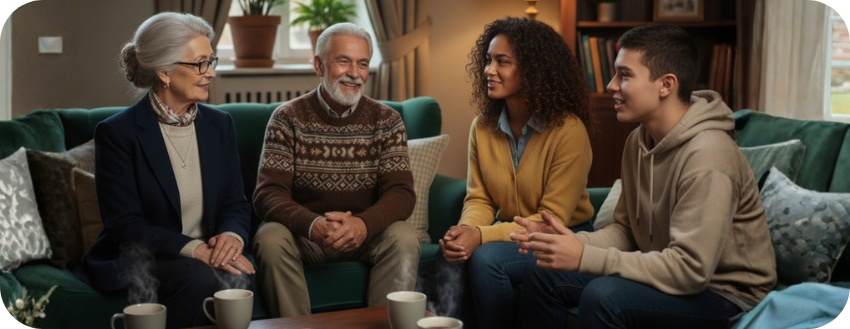
As societies around the world age, families face a growing challenge, how to ensure that seniors remain emotionally supported, mentally active, and socially connected while also protecting them from isolation, scams, and cognitive decline. Aging is not just a personal journey; it is a family experience that requires understanding, trust, and the right tools. Today, technology plays a critical role in shaping how seniors and families stay connected. However, not all platforms are designed with older adults in mind.
Many expose seniors to misinformation, online fraud, emotional manipulation, or overwhelming digital complexity. This is where ReComune stands apart as a trusted, scam-free platform created specifically to empower seniors and support families. This blog explores the challenges seniors face, how families can better support aging loved ones, and how ReComune helps build a safer, more connected future for active aging.
Aging often brings major life transitions, including retirement, reduced mobility, health changes, and the loss of social networks. These shifts can deeply affect emotional and cognitive well-being. According to the World Health Organization (WHO), over 20% of adults aged 60 and older experience mental or neurological disorders, with depression and anxiety among the most common (WHO, 2021). At the same time, families frequently struggle to recognize early emotional or cognitive changes in seniors, especially when communication becomes limited.
Key challenges include:
The National Institute on Aging (NIA) reports that loneliness and social isolation significantly increase the risk of cognitive decline, depression, and even early mortality in older adults (NIA, 2021). These challenges highlight the need for safe, supportive environments both offline and online where seniors can thrive.
Empowerment in aging is about more than physical health. It involves helping seniors maintain autonomy, dignity, and a sense of belonging.

Seniors who feel heard and understood are more likely to express emotions, seek help when needed, and remain socially engaged. Research published in the Journal of Aging Studies shows that emotional expression and regular conversation significantly improve emotional well-being and cognitive resilience (IntechOpen).
Encouraging seniors to share their feelings helps:
Cognitive stimulation is a key factor in healthy aging. According to the Alzheimer’s Association, engaging in mentally stimulating activities can delay cognitive decline and reduce dementia risk (Alzheimer’s Association, 2022).
Activities that empower seniors cognitively include:
Empowerment happens when seniors feel mentally capable not overwhelmed.

Social connection is one of the strongest protective factors against emotional and cognitive decline. A meta-analysis published in The Lancet found that social isolation is linked to a 50% higher risk of dementia (ScienceDirect.com).
Empowering seniors socially means:
Families often carry emotional, logistical, and financial responsibilities when caring for aging loved ones. While families want to provide the best support possible, many face challenges such as distance, busy schedules, and uncertainty about how to help.
Common concerns families face:
The Centers for Disease Control and Prevention (CDC) emphasizes that family involvement is critical in maintaining senior mental health and quality of life (CDC, 2020). Families need tools that provide peace of mind, reassurance, and continuity of support especially when they cannot be physically present.
Technology has the power to strengthen connections when it is designed with empathy and simplicity in mind. For seniors, the right technology acts as a bridge bringing them closer to family, conversation, and mental stimulation rather than a barrier that creates confusion or fear. Senior-friendly digital tools can reduce loneliness, encourage emotional expression, and support cognitive wellness through gentle interaction.
Research shows that older adults who use supportive communication technologies experience improved emotional well-being and increased social engagement (Taylor & Francis Online). When platforms focus on clarity, safety, and positive engagement, technology becomes an empowering companion that complements family care and helps seniors stay connected and confident.
Research shows that senior-friendly digital platforms can:
However, many mainstream platforms:
This gap has led to growing demand for trusted, purpose-built platforms that prioritize safety, empathy, and simplicity.
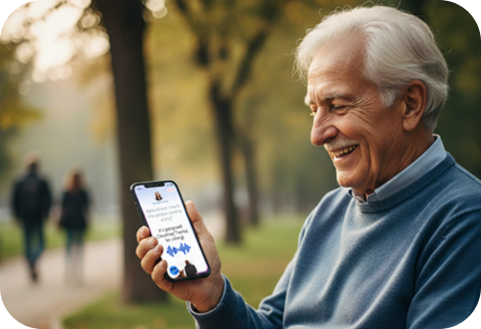
ReComune was created specifically to address the unmet needs of seniors and their families. It is not a social media platform it is a secure, empathetic, scam-free space designed to promote emotional connection and cognitive wellness.
Online fraud disproportionately affects seniors. According to the FBI Internet Crime Report, older adults lose billions of dollars annually to scams (FBI IC3, 2023).
ReComune eliminates this risk by:
Families can trust that seniors are interacting in a safe digital environment.
ReComune encourages positive, empathetic dialogue that helps seniors:
Conversation itself is a form of cognitive stimulation. Studies show that regular dialogue supports memory, attention, and language skills in older adults (Taylor & Francis Online).
ReComune promotes mental activity gently without overwhelming seniors. Its design supports:
This aligns with findings from the National Institute on Aging, which emphasizes that consistent cognitive engagement supports long-term brain health (NIA, 2021).
For families, ReComune offers reassurance that their loved ones are:
This reduces caregiver stress and strengthens family trust.

Active aging is built on meaningful participation, emotional security, and trusted relationships. Seniors who feel connected and supported are more likely to stay mentally engaged, socially involved, and emotionally resilient. The World Health Organization (WHO) defines active aging as optimizing opportunities for health, participation, and security to enhance quality of life as people age (WHO, 2002). Trust plays a critical role in this process when seniors trust the people and platforms they engage with, they are more willing to communicate, learn, and remain socially active.
Research also shows that strong social connections significantly reduce the risk of cognitive decline and depression in older adults (Henry Ford Health). By fostering connection and trust, families and supportive technologies help seniors age with confidence, dignity, and purpose.
ReComune supports active aging by:
Active aging is not about doing more it’s about staying connected, confident, and valued.
Aging should be a journey marked by dignity, connection, and emotional security not isolation or uncertainty. As seniors navigate the physical, emotional, and cognitive changes that come with later life, having a trusted companion becomes essential. ReComune stands out as more than just a digital platform; it is a reliable partner in aging, built on trust, empathy, and safety. By providing a scam-free environment, meaningful conversation, and gentle cognitive engagement, ReComune empowers seniors to stay emotionally supported and mentally active.
For families, ReComune offers peace of mind knowing their loved ones are protected, heard, and never alone, even when distance or busy schedules limit daily contact. It bridges the gap between care and connection, strengthening relationships rather than replacing them. As the future of aging increasingly intersects with technology, ReComune proves that innovation can be compassionate, secure, and deeply human supporting seniors and families every step of the way.
Posted by recomune_dhfskm in Awareness, blog on November 28th, 2025

As global life expectancy rises, the focus on cognitive wellness has never been more important. Seniors today are living longer, but longevity without mental clarity, emotional balance, and purpose presents new challenges. Cognitive decline is often misunderstood as inevitable, yet science shows that proactive,preventive lifestyle choices can significantly protect brain health.
According to the World Health Organization (WHO), the global population aged 60 and older will reach 2.1 billion by 2050, while dementia cases are projected to rise to 153 million worldwide (WHO, 2023). However, research from the Lancet Commission onDementia Prevention indicates that up to 40% of dementia cases may be delayed or prevented through lifestyle and environmental interventions. Cognitive wellness is not just about avoiding disease it’s about sustaining memory, emotional resilience, independence, and social engagement. This is where ReComune plays a vital role in shaping the future of active aging.
Cognitive wellness is a vital pillar of healthy aging because it directly affects how seniors think, remember, communicate, and engage with the world around them. As people grow older, maintaining brain health becomes just as important as caring for physical health. Strong cognitive function supports independence, decision-making, emotional balance, and overall quality of life. When cognitive wellness is prioritized, seniors are better able to manage daily tasks, maintain social connections, and continue participating in activities that give their lives meaning and purpose.
Research shows that cognitive decline is not an inevitable part of aging; instead, the brain can remain resilient through mental stimulation, social interaction, emotional support, and healthy routines. Protecting cognitive wellness also reduces the risk of conditions such as memory loss, depression, and dementia. By focusing on brain health early and consistently, families and caregivers can help seniors age with confidence, dignity, and a strong sense of self making later years more fulfilling and connected.
Cognitive wellness includes:
The National Institute of Health (NIH) emphasizes that maintaining these abilities improves quality of life and reduces healthcare burden for families and communities (NIH).

hysical activity is one of the most evidence-backed strategies for preserving cognitive function. Research from Harvard Medical School shows that regular exercise increases blood flow to the brain, promotes neuroplasticity, and stimulates the hippocampus the region responsible for memory and learning (Harvard Health).
A longitudinal study found that older adults who engaged in consistent physical activity had larger brain volumes and slower cognitive decline compared to sedentary peers (ScienceDirect.com).
Recommended activities for seniors:
Even moderate movement improves attention, processing speed, and memory retention.

Social interaction is a powerful protective factor against memory decline. The National Institute on Aging reports that social isolation significantly increases the risk of dementia, depression, and premature mortality (NIA). A large-scale study published in the Journal of Aging and Health found that lonely seniors are 50% more likely to develop dementia.
Why social engagement matters:
Regular conversation activates multiple cognitive systems simultaneously, making socialization a natural form of brain exercise.
Lifelong learning plays a powerful role in building cognitive reserve, the brain’s ability to adapt, reorganize, and compensate for age-related changes. Cognitive reserve helps protect seniors from memory loss and reduces the impact of conditions such as mild cognitive impairment and dementia. According to the Taylor & Francis Online, older adults who regularly engage in mentally stimulating activities show a lower risk of cognitive decline and maintain stronger thinking and reasoning skills for longer periods (Taylor & Francis Online).
Learning new skills such as reading, writing, solving puzzles, learning a language, or exploring new technology strengthens neural connections and encourages brain plasticity. Research published in Neurology also indicates that continued intellectual engagement can delay the clinical symptoms of dementia, even when underlying brain changes are present (Wiley).
By encouraging curiosity and mental challenge, lifelong learning helps seniors stay mentally flexible, confident, and engaged, supporting long-term cognitive wellness and healthy aging.
Examples include:
Learning encourages neural growth and preserves cognitive flexibility.
Emotional health is closely tied to cognitive function. The American Psychological Association (APA) reports that untreated depression and chronic stress in seniors are linked to poorer memory, slower processing speed, and higher dementia risk (American Psychological Association). The World Health Organization also identifies emotional well-being as a core pillar of healthy aging (WHO, 2021).
Supporting emotional wellness includes:
Contrary to common myths, technology when designed for seniors can enhance cognitive wellness. A study published in JMIR Aging found that older adults using digital communication tools showed improved cognitive engagement and reduced loneliness (JMIR Aging).
The key lies in simplicity, safety, and empathy.

ReComune is designed specifically to support seniors’ cognitive and emotional needs.
Studies show that conversational engagement improves memory recall and emotional stability in older adults. ReComune aligns with this research by making meaningful conversation accessible every day.
Preventive brain health is most effective when it becomes part of a senior’s daily routine, not an occasional effort. Just like physical fitness, cognitive wellness is strengthened through consistent, small habits practiced over time. Research from the National Institute on Aging (NIA) shows that regular mental, physical, and social activities can help maintain memory, slow cognitive decline, and improve overall brain function (NIA, 2021).
Simple daily actions such as walking, engaging in conversation, reading, solving puzzles, or learning something new stimulate multiple areas of the brain. The World Health Organization (WHO) emphasizes that combining movement, social interaction, emotional well-being, and mental stimulation significantly lowers the risk of cognitive impairment and dementia (WHO, 2022).
Establishing predictable routines also reduces stress and supports emotional stability, which further protects memory and focus. When seniors practice brain-healthy habits every day, they actively build resilience, confidence, and long-term cognitive strength. Cognitive wellness is built through consistency.
Daily habits that protect the brain:
ReComune integrates naturally into these habits, offering seniors a dependable source of cognitive engagement and emotional support.
The WHO’s Active Aging Framework emphasizes health, participation, and security as essential for quality of life (WHO, 2002).
Families can support cognitive wellness by:
When families and platforms like ReComune work together, seniors experience greater confidence, clarity, and purpose.
The future of aging is no longer defined by decline, but by connection, prevention, and purposeful living. Cognitive wellness thrives when seniors are supported physically, emotionally, and socially and ReComune is helping lead this transformation. By encouraging meaningful conversation, reducing loneliness, and promoting daily mental engagement, ReComune empowers seniors to stay active participants in their own well-being.As research continues to confirm the importance of exercise, social interaction, and lifelong learning for brain health,
ReComune complements these practices by offering a safe, empathetic digital space designed specifically for older adults. It does not replace family or caregivers; instead, it strengthens the support system by filling emotional and social gaps that naturally arise over time. ReComune represents a forward-looking approach to aging one that values dignity, independence, and mental clarity. By fostering connection and cognitive stimulation, ReComune is helping build a future where seniors can age with confidence, purpose, and lasting cognitive wellness.
Posted by recomune_dhfskm in Awareness, blog on November 21st, 2025

Emotional expression is an essential part of well-being at every stage of life but for seniors, sharing feelings can be especially challenging. Many older adults grew up in a time when discussing emotions was discouraged, mental health was stigmatized, and vulnerability was seen as weakness. As a result, countless seniors today struggle quietly with sadness, fear, confusion, loneliness, or anxiety without ever putting their feelings into words. According to the Centers for Disease Control and Prevention (CDC), nearly 20% of adults aged 55 and older experience mental health concerns, yet most never receive help because they do not speak up about what they’re feeling (CDC).
Moreover, emotional silence is not harmless. Seniors who suppress emotions are more likely to experience loneliness, depression, cognitive decline, and physical illness (National Institue on Aging). This is why families play such a crucial role. Encouraging seniors to express their feelings creates emotional relief, strengthens memory, enhances cognitive resilience, and increases overall quality of life. This blog explores why emotional expression matters, why seniors hold back, and how families can gently encourage open dialogue without pressure, frustration, or discomfort
Aging brings significant emotional transitions:
These experiences are heavy yet many seniors feel they must “stay strong” or avoid burdening their family. The emotional weight builds internally, affecting both mental and physical health.
Emotional expression helps seniors:
Research from the National Institute on Aging (NIA) shows that emotional engagement supports brain health, improves social connection, and reduces risk of cognitive impairment (NIA). When seniors talk about their feelings, they reclaim clarity, dignity, and emotional balance.
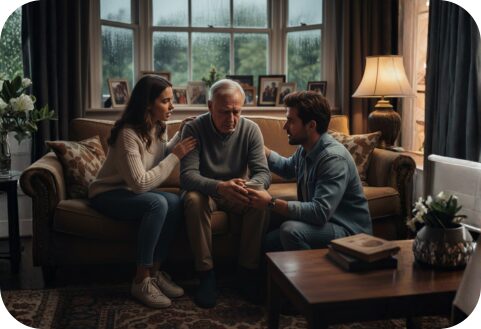
Even when they want emotional support, seniors may hesitate due to cultural, generational, or personal beliefs.
Understanding these barriers helps families respond with empathy instead of frustration.
While memory lapses and slower processing can occur with age, chronic sadness, emotional withdrawal, or hopelessness are not normal. According to the World Health Organization (WHO):
Yet most cases go undiagnosed because seniors do not openly express distress. When seniors share feelings early, emotional decline becomes easier to manage and often reversible.
Seniors express emotions in subtle, indirect ways. Families must learn to read these signs.
If these signs appear repeatedly, it’s time to open a supportive conversation.
Pushing seniors to open up can make them withdraw. Instead, families should create emotional safety. Here are research-backed, compassionate steps:
Choose a relaxed setting no interruptions, no distractions. Physical comfort increases emotional openness.
Examples that encourage sharing:
Avoid yes/no questions they limit sharing.
Many seniors don’t need solutions they need understanding. Say things like:
Validation builds trust.
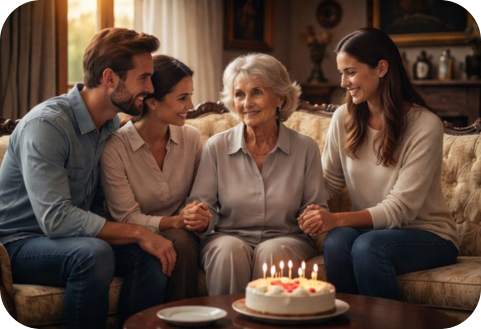
Example: “I’ve felt overwhelmed recently too it’s okay to talk about it.”
This makes emotional conversation feel mutual, not one-sided.
If seniors struggle to articulate feelings, guide them gently:
Small steps remove pressure.
Social isolation worsens emotional decline.
Encourage:
Connection reduces loneliness and improves cognitive resilience.
Therapists specializing in geriatric mental health offer life-changing support. Seek help if you notice:
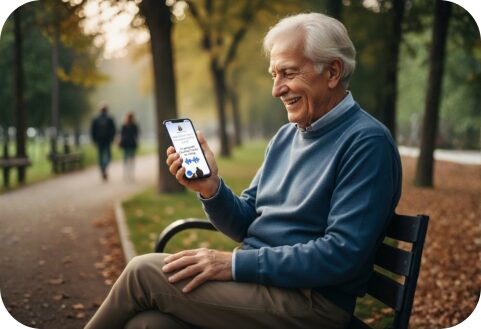
Technology can be a powerful emotional support tool for seniors if designed with simplicity and empathy. Digital platforms Like ReComune help seniors:
ReComune is built specifically to support senior emotional wellness through:
Unlike many digital tools, ReComune encourages seniors to talk openly by making them feel:
Research shows that conversational engagement improves emotional well-being, reduces loneliness, and stimulates cognitive pathways linked to memory (ScienceDirect.com). Technology doesn’t replace family but it fills emotional gaps that occur when families are busy or live far away.
Seniors feel safe opening up when emotional conversation becomes normal—not rare.
Make these habits part of weekly life:
Emotional openness grows through familiarity, not pressure.

Silence can be meaningful. Seek immediate support if seniors:
These signs may indicate depression, anxiety, emotional decline, or early cognitive impairment. Early intervention can transform outcomes.
Encouraging seniors to talk about their feelings is not just a conversation it’s a lifeline. Emotional openness strengthens memory, improves brain health, reduces loneliness, and deepens the bond between seniors and their families. When families listen with empathy, validate feelings, and create safe emotional spaces, seniors begin to trust the process. They feel seen, respected, and understood sometimes for the first time in years.
Technology, especially senior-friendly platforms like ReComune, can also make emotional expression easier by providing companionship, conversation, and encouragement without judgment or pressure. The path to emotional wellness for seniors begins with one simple step a genuine, loving conversation. With patience, compassion, and consistency, families can help seniors rediscover hope, confidence, and connection one heart-to-heart moment at a time.
Posted by recomune_dhfskm in Awareness, blog on November 17th, 2025

Loneliness is often described as a silent epidemic among older adults. While physical ailments such as arthritis, diabetes, and heart disease are widely recognized, emotional isolation remains one of the most overlooked threats to senior health especially when it comes to memory and cognitive function. Scientists now agree on a powerful truth Loneliness doesn’t just affect emotions. It changes the brain. For seniors, loneliness is not just painful it can accelerate memory decline, damage cognitive abilities, and increase the risk of dementia.
A 2021 study from the found that loneliness significantly increases the risk of cognitive impairment and memory loss, making socially isolated seniors 50% more likely to develop dementia (National Institute Health). In this blog, we explore why loneliness affects memory so strongly, what families can do to protect senior brain health, and how technology when used correctly can reconnect seniors to the world around them.
Loneliness is not defined by living alone it is defined by feeling alone. A senior can be surrounded by family and still feel disconnected, unheard, or emotionally unsupported.
A 2020 report by the National Academies of Sciences, Engineering, and Medicine stated that 1 in 3 seniors experiences loneliness regularly, and those who feel lonely have significantly worse cognitive outcomes (National Academies of Sciences, Engineering, and Medicine). Loneliness is an emotional state, but its effects reach far beyond emotion they affect the brain itself.

Decades of research show that the human brain depends on social interaction to stay strong. Just as muscles weaken without exercise, the brain weakens without meaningful connection.
MRI studies from the University of California, Los Angeles (UCLA) show that loneliness correlates with reduced volume in the hippocampus, the brain region responsible for memory formation (UCLA Health).
Chronic loneliness triggers the release of cortisol, the stress hormone that damages neurons and disrupts memory storage. Long-term cortisol exposure is linked to:
Conversation is a cognitive workout. When seniors talk less, listen less, and socially interact less:
A study found that seniors with low social engagement showed a 70% faster rate of cognitive decline than those who remained socially connected (SpringerLink).
One of the most alarming findings comes from the (Alzheimer’s Association), which reports that socially isolated seniors have a significantly increased chance of developing:
Families often notice emotional shifts before they realize the connection to cognitive decline.
These changes may appear subtle at first, but they often signal deeper emotional and cognitive challenges.
Loneliness is reversible and so are its effects on the brain. Families play a powerful role in preventing emotional and cognitive decline.
Many seniors hesitate to admit loneliness or memory difficulties. Start with questions that feel kind, not confrontational.
Try:
Avoid:
Empathy builds trust and encourages seniors to share what they’re truly feeling.
Purpose protects the brain. According to a study in JAMA Psychiatry, seniors with a strong sense of purpose have a 30% lower risk of memory decline (JAMA Psychiatry). Families can encourage:
Purpose creates emotional strength and cognitive resilience.

Social engagement is one of the most effective tools against memory decline.
Encourage:
Even small interactions improve brain function.
A structured routine helps seniors feel secure, while mental stimulation strengthens brain pathways.
Consider:
Routine + stimulation is a powerful formula for cognitive protection.
Technology is often seen as intimidating for seniors, but when introduced with patience and simplicity, it can be a lifeline.
Digital tools can help:

ReComune is specifically designed to help seniors feel:
It provides:
Loneliness and memory decline feed each other. ReComune breaks that cycle by ensuring seniors always have someone kind to talk to, reducing emotional isolation and boosting cognitive engagement.
It’s important to involve a healthcare provider when loneliness appears to be seriously affecting memory.
Seek help if a senior shows:
Medical professionals can provide:
Early intervention slows decline dramatically.
Support your senior loved one in building these brain-healthy habits:
Exercise increases blood flow to the brain.
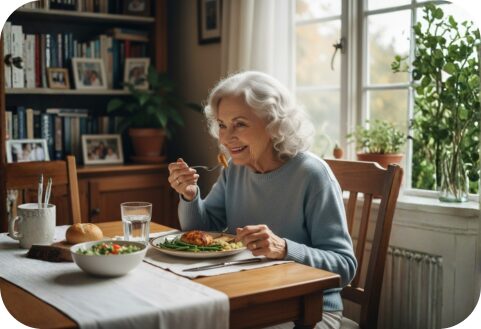
Mediterranean diets are linked to stronger memory (Tulane University).
The single most important factor in preventing loneliness.
Poor sleep intensifies memory loss.
Games, conversation, puzzles, and storytelling improve neural resilience.
Meditation, stretching, breathing exercises, and music help calm the mind.
The link between loneliness and memory decline is undeniable and deeply human. Seniors do not suffer in silence because they want to; they suffer because they feel disconnected, unseen, or unsure how to reach out. But loneliness is not permanent. With love, attention, and consistent support, families can protect the emotional and cognitive well-being of their aging loved ones.
Every small effort matters like a daily check-in, a warm conversation, a shared hobby, encouraging words and Introducing gentle technologies like ReComune. These actions create connection and connection strengthens memory, uplifts the spirit, and restores purpose. When families stand beside their seniors, loneliness loses its power and in that connection, the brain and the heart begin to heal.
Posted by recomune_dhfskm in Awareness, blog on November 13th, 2025

Memory changes are a natural part of growing older, but not all forgetfulness is the same. Families often struggle to understand whether a senior’s behavior is simply normal aging or an early sign of cognitive decline. This uncertainty can create fear, frustration, and emotional overwhelm not only for seniors, but for loved ones who want the very best for them.
According to the National Institute on Aging, occasional forgetfulness like misplacing keys or struggling to recall a word is common in healthy aging (NIH). But when memory issues begin interfering with daily function, decision-making, or personal safety, they may indicate something deeper, such as mild cognitive impairment (MCI) or early dementia (National Institute of Health). Understanding the difference empowers families to respond with compassion, clarity, and confidence. This blog breaks down the essential differences between normal aging and serious memory loss, highlights early warning signs, and shares practical ways including technology to support senior brain health.
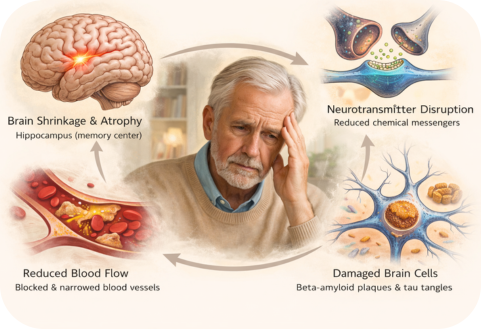
As adults age, the brain naturally undergoes structural changes. Neural communication slows, retrieval becomes less efficient, and multitasking becomes more difficult. These changes are not harmful. In fact, researchers from Harvard Medical School note that older adults often compensate with improved emotional intelligence, vocabulary depth, and reasoning ability (Harvard Health Publishing).
These changes do not disrupt daily life.
Serious memory loss is different. It affects the ability to live independently, remember important information, or participate in conversations. According to the Alzheimer’s Association, warning signs of abnormal memory decline include (Alzheimer’s Association).
These symptoms may point to conditions such as:
The earlier families notice these changes, the better the chances of managing, slowing, or treating symptoms.
| Normal Aging | Possible Cognitive Decline |
|---|---|
| Occasionally misplaces items | Frequently loses items and cannot retrace steps |
| Takes longer to recall names | Forgets names of close family or friends |
| Needs reminders for appointments | Completely forgets appointments, even with reminders |
| Maintains independence | Declines in daily functioning or safety |
| Mood remains stable | Increased anxiety, confusion, or irritability |
| Follows familiar routines well | Cannot follow familiar steps (e.g., cooking, paying bills) |
If a senior consistently struggles in the right column, it’s time for a professional cognitive evaluation.

Memory concerns aren’t just medical they’re emotional.
Seniors may feel:
Families may feel:
Understanding what’s happening and supporting seniors with empathy reduces fear and strengthens trust.
Families are in the best position to spot declining mental patterns because they see behavior changes over time.
Behavior
Daily function
Social engagement
Language
Orientation
If multiple areas are affected, it may indicate more than normal aging.

Talking about memory loss is delicate but essential.
Open dialogue reduces shame and creates an environment where seniors feel safe sharing their concerns.
Seniors thrive when they feel capable, respected, and included.
Preserving dignity is key to emotional well-being.
Technology can be a powerful ally in boosting senior memory when used properly and introduced with patience.
Research shows that cognitive stimulation, social engagement, and routine-based reminders can slow memory decline (MDPI).
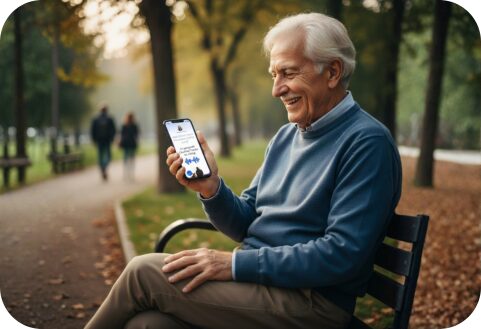
This kind of technology bridges generational gaps, reduces isolation, and keeps seniors mentally active, which is shown to boost memory retention over time.

A medical evaluation is important when seniors show signs beyond normal aging.
Doctors may recommend:
Early detection leads to better management and better outcomes.
Lifestyle habits that support cognitive wellness:
Mediterranean-style diets are linked to better brain aging (Harvard Health).
Walking, stretching, and light exercise improve blood flow to the brain.
Puzzles, reading, music, or hobbies stimulate cognition.
Isolation accelerates decline connection protects the brain.
Poor sleep worsens memory and focus.
Consistency reduces confusion and stress.
With support, seniors can maintain confidence, memory function, and emotional well-being.
Understanding the difference between normal aging and serious memory loss is one of the greatest gifts families can offer their aging loved ones. When seniors feel seen, supported, and understood, their confidence grows and fear begins to fade. Memory changes do not have to signal the end of independence or joy; with early awareness, open communication, and compassionate guidance, families can help seniors navigate this stage of life with dignity and strength.
Technology, when introduced gently, also becomes a powerful ally offering reminders, stimulation, and meaningful connection that protect brain health and emotional well-being. Tools like senior-friendly conversation platforms, memory apps, and supportive digital companions provide comfort without complexity. Above all, what matters most is presence. When families stay engaged, patient, and proactive, seniors feel valued and reassured. Together, we can transform memory challenges into opportunities for closeness, resilience, and lifelong connection.
Posted by recomune_dhfskm in Awareness, blog on November 3rd, 2025

Mental health is often misunderstood, especially when it comes to older adults. Families tend to focus on physical health doctor’s appointments, medication management, fall prevention yet emotional health in seniors is equally critical. As adults age, they often face profound changes: retirement, loss of friends or partners, chronic illnesses, reduced mobility, and shrinking social circles. These shifts can lead to emotional decline, loneliness, anxiety, sadness, and even depression. In fact:
Families play a powerful role in recognizing and responding to emotional needs. This blog explains how families can identify warning signs, build open conversations, and help seniors maintain purpose, dignity, and self-worth while embracing technology in a supportive, senior-friendly way.
Senior mental health is not simply “part of aging.” Emotional decline is not inevitable. But without support, older adults may silently struggle.
These emotional struggles often go unnoticed because seniors may not express sadness openly. Instead, they show subtle behavioral signs which families must learn to recognize.

Families often see seniors every week even every day yet miss emotional warning signs simply because changes are gradual.
When families recognize these changes early, they can prevent deeper emotional distress.
One of the most loving actions a family can take is simply talking not with judgment, not with solutions first, but with empathy.
Use open, gentle questions such as:
Instead, try empathetic responses:
These powerful emotional affirmations help seniors feel heard, valued, and validated.
A strong sense of purpose can dramatically improve mental health in older adults. According to Harvard Health, seniors with a sense of purpose are less likely to develop cognitive decline and more likely to stay emotionally resilient.

Revisiting meaningful life experiences strengthens dignity.
Many seniors fear technology. But with gentle guidance, technology becomes an empowering emotional support system, not an obstacle. Modern platforms can help seniors:
Platforms designed for seniors like ReComune use:
Tech doesn’t have to replace family it supplements connection, especially when families live far away.
Emotional support doesn’t need grand gestures. Simple consistency is far more powerful.
A 5-minute voice message can reduce loneliness dramatically.
These powerful words restore dignity.
Cook together on Fridays, take a morning walk, pray, watch a show together online.
Both improve serotonin and emotional well-being (National Institutes of Health).
Even one weekly outing boosts mood.
When seniors feel capable, emotional decline slows.
Therapists who specialize in senior psychology can be life-changing (American Psychological Association).

Some symptoms require immediate attention.
Early treatment improves outcomes dramatically.

ReComune is designed as a Safe AI Companion for seniors filling the gaps families may not always reach.
ReComune never pressures seniors. It listens, comforts, and uplifts helping older adults feel connected, valued, and emotionally supported.
At the heart of senior mental health lies one universal truth: human connection heals. Love, attention, and consistent emotional support are powerful safeguards against loneliness, depression, and emotional decline in older adults. When families take time to listen, notice changes, and show genuine care, seniors feel valued, respected, and deeply connected to the world around them. Even small gestures a daily check-in, shared stories, gentle encouragement, or simply sitting together can reignite confidence and restore purpose.
Supporting a senior’s emotional well-being doesn’t require grand solutions. It requires kindness, patience, and presence. When families combine compassion with thoughtful tools, such as senior-friendly technology and positive communication, they create a protective circle around the older adults they love. In the end, what truly transforms a senior’s life isn’t complexity it’s connection. And every moment of care has the power to bring comfort, hope, and strength.
Posted by recomune_dhfskm in Awareness, blog on October 16th, 2025

In today’s hyper-connected world, the internet brings extraordinary benefits instant communication, convenient services, and access to endless information. Yet for millions of seniors, the digital world is also an increasingly dangerous place. As cybercriminals sharpen their tactics and online fraud skyrockets, older adults face a unique combination of vulnerabilities and targeted attacks. The digital world opens doors to convenience, connection, and endless information. Million of older adults, it also presents a rising wave of hidden risks. Fraudsters are getting smarter, scams are becoming more personalized, and seniors many of whom didn’t grow up with modern technology are being targeted more aggressively than ever before.
This blog exposes the digital dangers seniors face online, the scams most commonly used against them, and how ReComune stands out as a fully safe, empathetic, and completely scam-free platform for older adults. While countless platforms exploit or pressure seniors, ReComune provides a trustworthy environment built on compassion, positivity, and unwavering safety.
Older adults are increasingly online checking email, shopping, video chatting, managing finances, and staying connected. Unfortunately, cybercriminals see opportunity.
Cybercriminals know these numbers and exploit them. But to protect seniors effectively, we must first understand the tactics scammers use and why they work.
Below are the top digital threats facing older adults today, backed by data and real-world trends.
Phishing has grown into the number 1 method used to steal sensitive information from seniors.
A typical phishing email may claim to be from:
The email urges the recipient to click a link, log in, or “verify” personal information leading directly to identity theft. Over 1.8 billion phishing messages are sent daily worldwide (brightdefense).
These scams explode during tax season, holiday months, and major software updates times when seniors may rely more heavily on their computers.
Tech support scams account for nearly 18% of all elder-fraud losses annually (Federal Bureau of Investigation).
With loneliness and social isolation at record highs among seniors, cybercriminals exploit emotional vulnerability.
Seniors lost over $400 million in romance scams alone in 2023 (The New York Times).
As more seniors shop online, scammers create:

45% of seniors report they can’t tell whether a shopping website is legitimate (The Senior List).
These scams are designed to terrify seniors into compliance.
Their language is intimidating:
They demand immediate payment, threaten arrest, or claim benefits will be revoked.
Government impersonation scams remain among the most financially devastating categories for older adults. These impersonation scams are among the top three costliest for adults 60+.

Understanding the psychological and emotional factors helps explain why older adults are targeted.
Protecting seniors means addressing not just technology but human emotion, behavior, and confidence.
These scams promise:
Why seniors fall victim:
They may be unfamiliar with crypto terminology and investment platforms.
Crypto scams led to over $1 billion in losses across all age groups in 2023, with seniors disproportionately targeted (Mass.gov).
Scammers demand payment through:
The reason is – Gift cards are nearly impossible to trace.
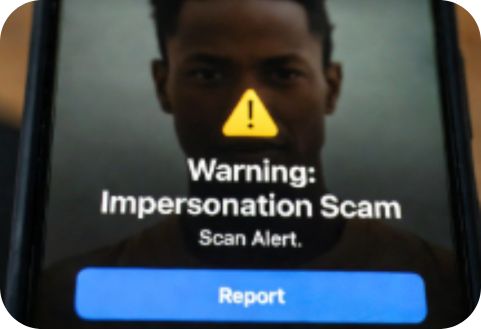
Criminals impersonate:
They claim emergencies such as:
This is often called the “Grandparent Scam.”
Seniors receive emails claiming:
These messages direct them to scam call centers or fake payment portals.
Fake charities surge during:
Seniors want to help but scammers take advantage of that generosity.
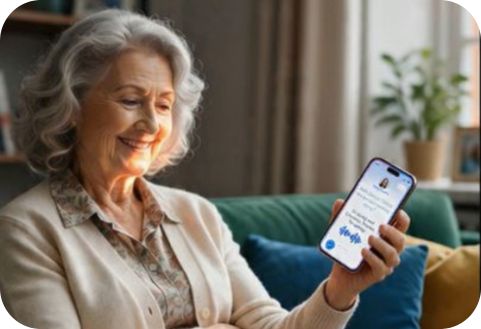
While the digital world becomes more dangerous, ReComune stands out as a trustworthy sanctuary where seniors are respected, protected, and supported. Unlike fraudulent platforms that manipulate or deceive seniors, It does NOT engage in ANY scam, pressure, or manipulation ever.
It is a secure, empathetic, and ethically built platform designed to help older adults thrive.
The digital world is full of opportunities but also hidden dangers. Seniors should never have to navigate those dangers alone. As scams grow more sophisticated and losses continue to rise, education, community, and awareness are essential shields. The internet is full of hidden threats from phishing and romance scams to fake tech support and government impersonation.
Seniors remain one of the most targeted groups, and losses are rising every year. But with awareness, guidance, and compassionate support, seniors can navigate the digital landscape safely. ReComune is proud to be a fully secure, scam-free, and empathetic platform that puts seniors first always. It empowers them with knowledge, positivity, and a community dedicated to protecting their digital well-being.
Posted by recomune_dhfskm in Awareness, blog on October 9th, 2025
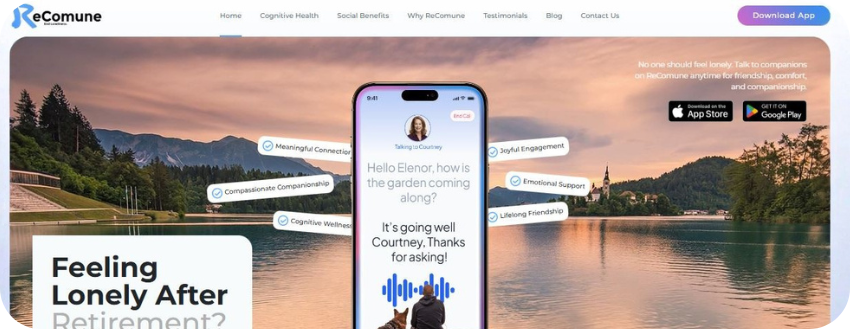
ReComune was built with one mission in mind to give seniors a safe, private, and trustworthy space to communicate without fear, judgment, or risk. In an online world filled with scams, data-harvesting apps, and platforms that quietly track user behavior, ReComune takes the opposite approach. It protects every conversation with strict privacy-by-design principles and ensures that what you share stays yours and yours alone. Every interaction is protected, and no personal details are ever sold, shared, or used for hidden marketing. This is especially important today, when studies show that 84% of people feel concerned about how their data is used online, and nearly 65% worry that their personal conversations aren’t truly private.
For seniors who are increasingly targeted by scammers and deceptive platforms trust and confidentiality are not just features, they are necessities. ReComune goes beyond technical security. It creates an emotional safety zone where seniors can ask questions, seek help, and express themselves freely without embarrassment or pressure. The platform responds with empathy, positivity, and clarity never manipulation, never fear tactics, and absolutely no scams or hidden agendas. In ReComune, conversations are protected, respected, and always treated with dignity.
In today’s online world, online privacy, data protection, and digital trust aren’t just buzzwords they’re critical. According to recent research, when users believe a digital platform respects their data and gives them control, trust and loyalty significantly increase. For example, a survey found that companies that build digital trust can see annual growth rates of at least 10% over competitors who fail to build trust (McKinsey & Company).
At the same time, data show that 64% of consumers say their data is less secure today than it was a few years ago, and 65% say they are only slightly or not at all confident that their personal data is private (cdp.com). With stakes this high, platforms must embed privacy and trust into their design, especially if they serve vulnerable populations such as seniors. That’s where ReComune comes in.

ReComune is designed to support older adults providing a secure, scam-free, empathetic space. But what exactly makes ReComune trustworthy? Let’s break down ReComune’s privacy-design and trust-building features into clear categories.
“Privacy by Design” (PbD) is a framework that argues privacy protections should be embedded into a system from the start, not tacked on later (IEEE Digital Privacy).
The seven core principles include:
ReComune applies these principles by:
By adopting privacy-by-design, ReComune demonstrates that it treats privacy not as an afterthought, but as a core value.
One of the biggest trust breakers is when users don’t know how their data is used. Studies show that 91.6% of end users are interested in“privacy explanations” clear, understandable descriptions of why their data is collected and how it’s used (arXiv). ReComune builds trust by offering:
This transparent approach reassures users that ReComune isn’t hiding anything and that the platform values their autonomy and dignity.
Research shows that when users feel they have control over their data-sharing, they are far more likely to trust a platform (PrivacyEnd). Key features ReComune offers:
By giving older adults meaningful control, ReComune shifts power back to the user building digital trust and reducing anxiety.
Privacy isn’t just about policy it’s about real technical protection. According to the “privacy by design” concept, systems should ensure end-to-end security and full lifecycle protection (IEEE Digital Privac).
ReComune deploys multiple layers of security:
This solid security infrastructure supports trust: seniors can feel confident that their personal information isn’t at risk and its a Scam Free.
Beyond privacy and security, trust is also built through empathetic design especially important for seniors. Many older users face fear or confusion when navigating online platforms. ReComune addresses this by:
This emotional layer of trust ensures that seniors don’t just “use” the platform they feel supported, understood, and safe.

In digital platforms, trust is influenced by visible signs of credibility: reputation scores, user reviews, transparent policies. One meta-analysis of 74 studies found key factors driving trusting intention in digital platforms (SpringerLink).
ReComune strengthens credibility through:
These publicly visible cues show that ReComune is trustworthy not a hidden or unknown entity.
One of the most powerful trust-building tactics: collect only what’s needed and use it only for that purpose. This aligns with the privacy-by-design principle of data minimization (WebsitePolicies).
ReComune practices include:
By minimizing data footprint, ReComune reduces risk and gives seniors peace of mind.
Trust isn’t built once it’s maintained over time. Platforms that adapt, update, and show improvement generate sustained trust. For instance, research shows “platforms that prioritize transparency, security and user control are more likely to retain confident customers”(Business Focus). ReComune’s ongoing commitments:
This consistent transparency reinforces the idea: ReComune treats senior users with respect, long-term.

Because ReComune is tailored for seniors, it addresses specific trust issues such as tech-anxiety, fear of scams, confusion about privacy. Key features for seniors:
This specialized focus enhances online safety for older adults strengthening both privacy protection and digital trust.
When senior users engage with ReComune, they benefit from privacy-by-design, transparent data practices, user control, strong security, empathetic communication, and credibility features. Together, these build a sense of safety that supports senior online safety, digital trust, and stable long-term engagement. Some results to note:
For older adults, trust isn’t just nice it’s essential for stepping safely into the digital world.
These statistics underline a critical point: trust is scarce in the digital world. Platforms that build it deliberately for seniors, especially stand out.
When older adults join ReComune, they’re not just accessing a platform they’re entering an environment where privacy, trust, and empathy are built-in, not bolted on. From privacy-by-design architecture to transparent data policies, from user control features to security safeguards, from empathetic communication to visible credibility, ReComune has baked in every trust-building layer required to support senior users in the digital era. In a world where senior users are increasingly vulnerable to online scams and data misuse, a platform that prioritizes digital trust and privacy is not optional it is essential. ReComune meets that need.