
Recent Comments
Posted by recomune_dhfskm in Awareness, blog on October 2nd, 2025

A quiet phone call might seem simple but for millions of older adults, that familiar ring can mean the world. In today’s fast-moving, tech-driven society, many seniors face a deep and growing challenge- loneliness and disconnection. Yet, something as small as a daily check-in call can create profound peace of mind, restore a sense of belonging, and even protect physical and mental health.
As families juggle busy schedules, aging parents are often left in isolation, leading to emotional and health risks. But daily communication whether through a short call, video chat, or AI-assisted check-in can transform emotional wellness for older adults.
The U.S. Surgeon General’s 2023 report on social connection and community labeled loneliness a public health epidemic, linking chronic isolation to serious medical consequences. According to the report, lacking social connection carries health risks equivalent to smoking up to 15 cigarettes a day (Fishers Health Department). For seniors, the statistics are even more concerning:
These findings make one thing clear that connection isn’t optional it’s essential for healthy aging. Connection is as essential to health as food, water, or shelter. Daily check-in calls are more than conversations they’re a lifeline that bridges emotional distance and restores a sense of care and safety.

Even short, predictable check-ins provide structure and reassurance. Research from Harvard Health Publishing (2023) shows that having consistent social contact improves emotional stability and helps regulate the brain’s stress response. Routine communication boosts dopamine and oxytocin, the “feel good” hormones associated with trust and connection (Harvard Health).
When seniors know that someone will call every day whether it’s a family member, caregiver, or digital companion they experience:
Even a five-minute call can break the silence of a long day, rekindling warmth, laughter, and belonging.
Predictability gives comfort. For seniors, knowing that someone will check in daily provides a feeling of psychological safety the sense that one is cared for, protected, and not forgotten. A study in the Journal of Aging Studies (2022) found that older adults who maintained consistent communication routines reported higher life satisfaction and lower depressive symptoms than those with irregular contact (National Institutes of Health). Routine check-ins create emotional rhythm in daily life. Whether it’s a “Good morning, Mom” or “How was your day, Grandpa?”, these rituals restore meaning and remind seniors they’re valued. Even short, predictable interactions provide emotional grounding they remind us we matter.
Just like physical exercise strengthens the body, conversation serves as a vital workout for the brain. Regular, meaningful communication activates multiple areas of the mind responsible for memory recall, attention span, and verbal reasoning, keeping it sharp and engaged.
Each daily chat whether reminiscing about childhood, talking about current events, or simply sharing how the day went helps stimulate the brain’s language and emotional centers, improving mental flexibility and clarity. According to a 2023 study from the University of Michigan, engaging in just 10 minutes of quality social interaction per day can sharpen cognitive performance and reduce the risk of cognitive decline by up to 25% (University of Michigan, 2023).
Social engagement also contributes to neuroplasticity, the brain’s ability to adapt and form new neural pathways, which is critical for slowing age-related decline. Over time, these regular conversations act as mini cognitive exercises helping seniors recall details, process emotions, and stay linguistically fluent.
As confirmed by the National Institute on Aging (2023), consistent social connection helps older adults maintain mental acuity, emotional balance, and even delay symptoms of dementia (NIA, 2023). In essence, a single conversation a day is more than just talk it’s a powerful tool for preserving memory, strengthening focus, and nurturing the aging mind.
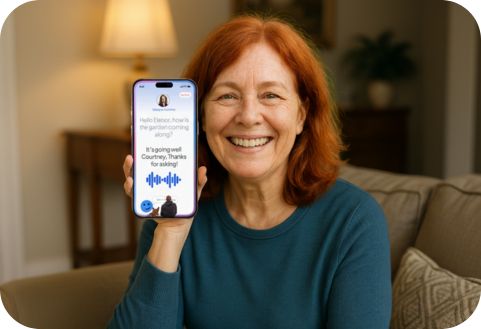
In today’s world, technology isn’t just about innovation it’s about connection. For seniors, the right tools can transform feelings of isolation into moments of joy and belonging. Rather than creating distance, modern AI companions and digital platforms are now serving as bridges that bring families closer, no matter where they live.
Platforms like ReComune, ElliQ, and Character.AI are leading this compassionate tech movement. These tools are designed specifically with older adults’ accessibility and comfort in mind, ensuring that technology feels human, intuitive, and emotionally supportive rather than intimidating.
Their thoughtful design features include:
According to a 2024 study by BMC Geriatrics, older adults using AI-based or video communication tools experienced a 30% increase in perceived social support and a 25% reduction in loneliness symptoms after consistent use (BMC Geriatrics, 2024). By blending empathy with innovation, these digital companions create warmth where silence once lingered. Technology, when used thoughtfully, doesn’t replace human connection it extends empowering seniors to feel seen, heard, and valued every single day.

Daily check-ins don’t just comfort seniors they also give peace of mind to families. Knowing your loved one answered a call, took medication, or simply smiled that day reduces stress and guilt. These features transform reactive care into proactive connection. It’s not just about checking in; it’s about staying emotionally aware and present.
With smart calling technology and compassionate design, families can stay close even across cities or continents.
Loneliness in aging isn’t solved by grand gestures it’s eased through small, consistent acts of empathy. A Frontiers in Psychology 2022 study found that older adults who received empathetic calls reported a significant reduction in emotional loneliness and improvement in mood (American Medical Association). Simple human connection laughter, warmth, attention nurtures the heart. It’s not about the length of the call, but the authenticity of the care.
We live in an era where connection is only a button away yet so many older adults still feel disconnected. Families, communities, and healthcare providers can work together to build a culture of consistent communication.
Here’s how to start:
Routine communication helps older adults maintain emotional balance and self-worth both critical for healthy aging.
Every ring, every hello, every “I was thinking of you” carries quiet healing power. Daily check-ins protect both mental and physical health, reminding seniors they’re loved and valued. Loneliness is not just emotional it’s biological. But connection, in any form, is medicine. Whether it’s through a family member, caregiver, or AI companion like ReComune each call is a small act of care that builds emotional safety. A call a day keeps loneliness away and adds years to life. In the words of the Surgeon General, “Human connection is healing.” And with modern tools, it’s never been easier to make that connection happen one call at a time.
Posted by recomune_dhfskm in Awareness, blog on September 25th, 2025

If your aging parent says they’re “fine,” it’s comforting but it may not be the whole truth. According to the National Institute on Aging (NIA, 2023), over 27% of adults aged 65 and older live alone, and nearly half of those individuals experience at least one significant daily living limitation (NIA, 2023). As parents age, small changes can signal big risks missed medication, poor nutrition, confusion, or loneliness. These are often invisible until something serious happens.
That’s why daily check-ins quick, consistent touchpoints can make all the difference. They don’t just show care; they protect health, safety, and emotional well-being. Here are five key warning signs your senior parent may need daily check-ins and what the research says about their importance.
Occasional forgetfulness is normal, but when your parent starts missing appointments, misplacing items, or repeating themselves often, it may signal Mild Cognitive Impairment (MCI) or early dementia. The Alzheimer’s Association (2023) reports that more than 6.7 million Americans aged 65+ are living with Alzheimer’s, and early symptoms often go unnoticed for years (Alzheimer’s Association, 2023).
Forgetting meals, bills, or medication can quickly lead to health risks like malnutrition or hospitalization. A 2022 study published in BMC Geriatrics found that older adults who received daily reminders or caregiver check-ins were 34% more likely to adhere to medication schedules and appointments (BMC Geriatrics).

Daily calls, texts, or services like Alexa Together can help you confirm your parent has taken medication, eaten meals, or completed daily tasks without feeling intrusive. “Consistency is key even short daily contact keeps seniors engaged and accountable.”
Noticeable Mood Changes or Emotional Withdrawal. Aging isn’t just physical; emotional health plays a huge role in senior well-being.
If your parent sounds withdrawn, irritable, or unusually quiet on the phone, it could be a red flag for loneliness or depression. According to the World Health Organization Advisory on Loneliness and Isolation, nearly one in three adults over 60 experiences measurable loneliness and that loneliness increases the risk of depression by 40%, stroke by 32%, and premature death by 26% (World Health Organization).
Regular human interaction, even brief phone calls, reduces cortisol levels (stress hormone) and increases serotonin improving both mood and heart health. A Taylor study showed that seniors with consistent daily contact had 25% fewer depressive symptoms and greater life satisfaction than those with sporadic contact (Taylor & Francis).
Turn daily calls into meaningful connection moments ask about their day, discuss family updates, or share memories. Emotional engagement is just as important as health check-ins.

A clean home and consistent self-care reflect cognitive and emotional health. When these begin to slip, it’s often a sign of functional decline. The National Council on Aging (NCOA, 2023) reports that 14 million seniors in the U.S. struggle with basic daily activities including bathing, cooking, or cleaning due to physical or cognitive limitations (National Institutes of Health).
These may seem minor but can indicate serious health or emotional issues.
A National Institute of Health report found that older adults living alone are 40% more likely to experience accidents, malnutrition, or self-neglect compared to those with regular family contact (NIH). Daily video calls or short visits can help spot early warning signs clutter, fatigue, or forgetfulness before they become emergencies. Encourage home safety checks or use virtual tours via video calls to discreetly monitor living conditions without compromising dignity.
Falls are among the most serious and common dangers for seniors. According to the Centers for Disease Control and Prevention (CDC, 2024):
Even small physical declines can have devastating consequences if unnoticed.
A simple question like, “How are you feeling today?” can help detect early fatigue, pain, or dizziness.
A 2023 study in the Journal of Gerontology found that seniors who had daily caregiver communication or smart monitoring systems experienced 30% fewer hospitalizations due to early intervention (
Supportive Care). Encourage gentle daily activity. Check if they’ve eaten, walked, or taken hydration breaks. Use fall-detection watches or home sensors for added safety.
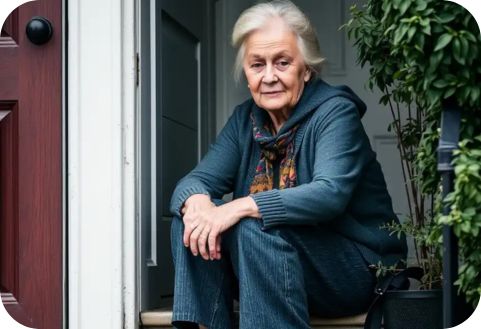
Even with perfect physical health, many seniors suffer from emotional disconnection.
The U.S. Surgeon General’s Office (2023) classifies loneliness as a public health epidemic, linking it to higher rates of dementia (50%), heart disease (29%), and stroke (32%) (U.S. Department of Health & Human Services, 2023).
Loneliness weakens immunity, elevates stress hormones, and accelerates cognitive decline. Seniors without daily human contact are also more likely to suffer from depression or stop caring for themselves. A 2023 PLOS ONE study found that seniors receiving consistent daily phone calls or AI-based companionship had 35% lower rates of anxiety and better emotional regulation (PLOS ONE, 2023).
Combine human contact with technology AI companions like ElliQ and specifically ReComune which is designed to engage older adults in conversation, ensure saftey, recall previous coversations, and reduce feelings of loneliness. Even a five-minute phone call can reestablish purpose and belonging two of the most powerful antidotes to aging loneliness.
Multiple studies confirm that daily contact improves both mental and physical health in seniors:

Remember it’s not about supervision, but connection.
Daily check-ins go far beyond routine reminders they are genuine lifelines for aging parents. A few minutes of connection each day can prevent falls, ensure medication is taken, ease loneliness, and stimulate the mind. As highlighted by the U.S. Surgeon General (2023), “Human connection is as vital to health as food, water, or shelter. ”When your senior loved one shows signs like forgetfulness, mood shifts, withdrawal, or declining health, it’s time to reach out consistently. Even the smallest daily call builds emotional safety, structure, and reassurance.
These brief but heartfelt moments remind seniors they are seen, valued, and loved reinforcing both emotional and physical well-being. In the end, a simple conversation can do more than fill silence it can strengthen hearts, protect minds, and turn everyday care into a powerful expression of love.
Posted by recomune_dhfskm in Awareness, blog on September 3rd, 2025

Loneliness is often dismissed as an emotional inconvenience a passing feeling of solitude. But for older adults, loneliness is far more dangerous than it appears. According to the 2023 U.S. Surgeon General’s Advisory on the Epidemic of Loneliness and Isolation, social disconnection poses a serious public health risk comparable to smoking up to 15 cigarettes a day (The Guardian).
As the American population ages with one in five citizens expected to be over 65 by 2030 understanding the health impacts of loneliness among seniors has never been more urgent. From higher risks of chronic illness and cognitive decline to premature mortality, the hidden costs of loneliness extend far beyond emotional distress. This blog explores those costs through a public health lens, explaining how loneliness functions as a social epidemic, how it affects the body and brain, and what communities can do to address it.
In May 2023, U.S. Surgeon General Dr. Vivek H. Murthy released a landmark advisory titled “Our Epidemic of Loneliness and Isolation”, calling social disconnection one of the nation’s greatest health threats. According to the report, nearly half of U.S. adults report measurable loneliness, with older adults being disproportionately affected (U.S. Surgeon General, 2023).
The advisory emphasizes that loneliness is not merely a personal issue, but a population-level health challenge linked to increased risks of heart disease, stroke, dementia, anxiety, depression, and premature death. It advocates that rebuilding social connection must become a national public health priority.
For seniors, these warnings hit especially close to home. Retirement, loss of loved ones, declining mobility, and limited social opportunities create perfect conditions for chronic isolation. And the physical and mental toll is staggering.

One of the most alarming findings from the Surgeon General’s 2023 report is the strength of the link between loneliness and physical illness. Research cited in the advisory found that social disconnection increases the risk of premature death by 26%, placing it on par with major health risk factors such as obesity and physical inactivity.
Older adults who experience chronic loneliness are 29% more likely to develop heart disease and 32% more likely to suffer a stroke (heart.org). These outcomes are largely due to elevated stress hormones such as cortisol, which cause inflammation, raise blood pressure, and damage cardiovascular tissue over time.
Loneliness also compromises the immune system. The Advisory cites studies showing that socially isolated seniors have higher levels of inflammatory markers like C-reactive protein and fibrinogen, making them more vulnerable to infection and slower to recover from illness (ScienceDirect).
Perhaps most concerning: long-term social isolation can increase the risk of premature death by up to 60%, according to data aggregated in the Surgeon General’s report. That’s a mortality risk similar to heavy smoking or chronic alcoholism (CDC). In short, loneliness is not just “in your head.” It’s in your heart, your blood vessels, and your immune system.

While loneliness directly affects the body, its psychological consequences are equally devastating especially among older adults.
The U.S. Surgeon General’s Advisory highlights that seniors experiencing loneliness are significantly more likely to suffer from depression and anxiety disorders, often exacerbated by physical health decline or loss of autonomy (National Institute of Health).
Loneliness also disrupts sleep quality, increases perceived stress, and elevates cortisol levels, leading to a vicious cycle of emotional and physical decline. Seniors who report persistent loneliness are 40% more likely to experience sleep disorders or chronic fatigue (Dove Medical Press).
Loneliness is a major predictor of suicidal ideation among older adults. In the United States, adults over 65 have the highest suicide rate of any age group, and social isolation is consistently identified as a key risk factor (ScienceDirect). Public health experts emphasize that mental and physical health cannot be separated one reinforces the other. Chronic loneliness deteriorates both, creating a compounding cycle of decline.
The brain, too, is not immune to the ravages of loneliness. Studies cited in the Surgeon General’s Advisory show that older adults experiencing chronic isolation have a 50% higher risk of developing dementia (dementiatrainer.co.uk). This is partly due to the way social engagement stimulates cognitive processes memory, language, reasoning, and emotional regulation. When seniors lose opportunities for conversation or connection, the neural circuits responsible for these functions weaken.
A 2022 Frontiers in Aging Neuroscience study found that socially isolated individuals show reduced volume in the hippocampus, the brain’s memory center, and a faster rate of cognitive decline (Medscape). Simply put: talking, laughing, and connecting keep the brain active. Silence accelerates its decline.

Beyond the human suffering, loneliness in aging also carries enormous economic costs. A report cited in the Surgeon General’s Advisory estimated that social isolation among older adults adds nearly $7 billion annually to Medicare spending, largely due to increased hospitalizations and emergency visits (AARP). Isolated seniors are more likely to:
Each of these outcomes places additional pressure on an already strained healthcare system. As Dr. Murthy put it, “Social connection must be treated as a health determinant just like diet, exercise, and sleep.”
The reasons older adults are more prone to loneliness are multifactorial:
According to Harvard Public Health (2023), the combination of physical barriers, technological gaps, and emotional stigma makes older Americans the most at-risk demographic for chronic loneliness (Harvard Public Health, 2023).
The 2023 Surgeon General’s Advisory reframes loneliness not as a personal failing but as an epidemic of disconnection a systemic issue that demands structural solutions. Dr. Murthy identifies six key pillars for rebuilding social health at the national level (Commit to Connect).
This holistic framing recognizes loneliness as both a personal experience and a public-health challenge requiring societal collaboration.

Public health research consistently shows that small, regular social interactions can produce significant health benefits. For example:
Families and caregivers can help by:
Loneliness among older adults is not an inevitable part of aging it’s a preventable public health crisis. The 2023 U.S. Surgeon General’s Advisory makes clear that the costs are profound: higher rates of disease, mental decline, healthcare spending, and premature death. But the solution lies not only in medicine it lies in human connection.
A five-minute phone call, a shared meal, a neighborly chat these acts of care can literally save lives. By treating loneliness as a health condition rather than a personal shortcoming, society can reframe connection as a vital sign of well-being. In doing so, we can ensure that seniors live not only longer lives but happier, healthier, and more connected ones. Human connection is as essential to health as food, water, or shelter.
Posted by recomune_dhfskm in Awareness, blog on August 28th, 2025

A quiet morning, a cup of tea, and a familiar ring from a phone for many older adults, these moments bring more comfort than they realize. In a world where face-to-face visits are sometimes rare, routine phone conversations have become an emotional lifeline connecting generations, strengthening mental health, and turning daily rituals into something to look forward to. For seniors, routine communication whether through quick phone calls, voice notes, or video chats offers emotional reassurance and stability. It strengthens memory, boosts happiness, and provides proof that someone cares. In a society that often underestimates the power of small gestures, a daily five-minute phone call can have extraordinary psychological and physiological benefits.
Human psychology thrives on predictability. The brain finds comfort in routine because it provides a sense of control and emotional safety something older adults often lose through life transitions such as retirement, relocation, or bereavement. According to study, regular habits like a daily phone call reduce anxiety and stabilize mood by helping regulate the brain’s stress response (Healthline). When seniors know that a familiar voice will call each morning or evening, it activates the parasympathetic nervous system lowering cortisol and releasing dopamine and oxytocin, hormones linked to comfort and connection.
A 2022 study in the Journal of Aging Studies found that seniors who maintained consistent communication routines especially through phone calls reported greater emotional stability and reduced loneliness, regardless of living situation (Journal of Aging Studies, 2022).

Answering the phone at the same time each day can become a cherished ritual of joy. Rituals help older adults connect emotionally with the present and give meaning to daily life.
Social rituals like scheduled calls or shared conversations increase emotional resilience and provide predictability, which helps counteract isolation (Asteroid Health). Even small rituals a morning “hello,” a mid-day chat, or a nightly “goodnight” call can anchor a person’s day in warmth. These calls encourage laughter, shared stories, and connection, which are directly tied to mood improvement.
A BMC Geriatrics (2023) review found that social laughter and positive communication reduce inflammation and strengthen cardiovascular health in older adults (MDPI).
In other words, a senior’s smile during a phone call isn’t just emotional it’s physiological medicine.
Just like physical exercise strengthens the body, verbal interaction strengthens the brain. Routine Phone conversations activate multiple regions including memory, speech, and emotional processing. The adults who engaged in meaningful conversation for at least ten minutes per day showed improved memory recall and sharper cognitive function compared to those with limited social contact (ScienceDirect).
Several large studies have shown that people who live with others or regularly interact with family and friends have reduced risk of cognitive decline over time. The Older adults who maintained regular social contact through phone calls or chats had a lower risk of dementia, suggesting that emotional communication stimulates neural connectivity and cognitive resilience (SFI Health). Simply put, every phone conversation acts as a mental exercise strengthening focus, emotional regulation, and memory through active engagement.

A daily phone call may seem ordinary but it’s one of the most powerful emotional tools for senior well-being. According to the WHO, seniors who received regular telephone check-ins experienced a reduction in emotional loneliness and improved motivation to engage socially (World Health Organization).
Researchers at the Dell Medical School, University of Texas, observed similar outcomes in empathy-focused phone programs. Older adults receiving weekly calls reported lower rates of depression and anxiety, even when calls lasted under 10 minutes (Dell Medical School, 2021).
Psychologically, the reason is simple: humans need to feel noticed. A daily call reminds seniors that they are part of someone’s mental world that they belong. This validation triggers the release of oxytocin, the “bonding hormone,” reducing cortisol levels and calming the nervous system.
Psychologically, these calls satisfy the human need for recognition the assurance that someone remembers, listens, and values their presence. Consistency is what transforms these moments into emotional anchors. When seniors laugh or smile during a call, their brains release dopamine, creating a natural emotional uplift that can persist throughout the day. Over time, these positive cycles reinforce resilience and emotional well-being a subtle but powerful psychological benefit of staying socially engaged.
Every cheerful exchange or warm laugh over the phone contributes to what psychologists call the “emotional feedback loop.” Smiling triggers the release of serotonin and endorphins, reinforcing feelings of joy and calm. A 2023 PLOS ONE study found that shared laughter between older adults and family members even over phone calls led to sustained mood improvement and stress relief (PLOS ONE, 2023).
Smiling during these calls doesn’t just reflect happiness it sustains it. These emotional exchanges build psychological resilience, helping seniors face loneliness with optimism.
Regular phone conversations also reinforce self-identity and purpose in older adults. Aging psychologists note that consistent communication helps seniors anchor their sense of belonging and identity. According to The Journals of Gerontology (2022), seniors who maintained frequent phone communication with family showed lower depression rates and higher life satisfaction, thanks to emotional consistency and predictability (Oxfordacademic).
Each conversation whether about yesterday’s weather or today’s memories reminds them that they are part of someone’s daily rhythm. That sense of being “remembered” is psychologically restorative.

Families play a key role in reinforcing communication rituals that nurture emotional well-being. Here’s how to make it effective:
Together, these findings form a powerful message: routine conversations protect mental health, cognitive vitality, and emotional well-being especially when driven by empathy and consistency.
For seniors, life’s joy often lives in the ordinary in the predictable, the repeated, the ritual. A simple call each day is not trivial; it’s a daily affirmation of connection and care. Routine conversations create psychological stability, emotional reassurance, and physical health benefits. They strengthen memory, brighten mood, and provide continuity all while reducing the silent suffering of loneliness. In a society that moves fast, slowing down to talk becomes an act of love. Whether it’s a cheerful good morning, a short story, or a shared laugh, these moments remind us that the human voice is still the most powerful medicine for the aging heart. Five minutes of empathy call can add light to an entire day.
Posted by recomune_dhfskm in Awareness, blog on August 5th, 2025

Growing older often brings wisdom, calm, and stories worth sharing but it can also bring profound feelings of loneliness and isolation. For many seniors, quiet afternoons without a visit or fading networks of friends leave the heart heavy and the mind restless. The urge to feel seen, heard, and connected remains deeply human but so too do the barriers that distance, health, mobility, or life changes can erect. This blog explores the emotional landscape of loneliness in later life and offer practical, tech-friendly strategies to stay connected, engage purposefully, and reclaim a sense of belonging.
When social bonds fade, the result isn’t just sadness it’s a ripple through mind, body and spirit. Research shows that feelings of loneliness and social isolation among older adults are strongly tied to risks of depression, cognitive decline, heart problems and even increased mortality (ScienceDirect.com). Social isolation (few interactions) and loneliness (feeling alone even amid people) are different yet often intertwined (BioMed Central). This means that simply being around people isn’t enough connection must be meaningful.
In our digital era, technology offers lifelines. Tools like video-calling, social platforms, interactive games, virtual communities and AI companions designed to bring comfort, engagement, and connectivity to seniors. These advanced AI-driven platforms confirm that technology interventions can strengthen social support and mitigate feelings of loneliness and isolation among older adults (OUP Academic).
But it’s not just about turning on a device it’s about designing the experience around trust, comfort, motivation and support. One review stressed the importance of matching technology to older adults’ values, confidence and ease of use (BioMed Central).
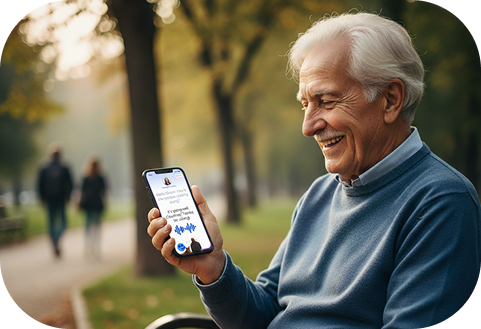
Technology, when used with empathy and accessibility, can become a lifeline for older adults struggling with isolation. The key is simplicity, consistency, and emotional relevance. Start by introducing easy-to-use communication tools such as video calling apps (Zoom, FaceTime, WhatsApp) that allow seniors to see and interact with family and friends in real time an essential emotional connector. Beyond video calls, modern AI companions like ElliQ, ReComune, Replika, and Hyodol are helping bridge the emotional gap by offering daily conversations, gentle reminders, and companionship for seniors living alone.
Encouraging seniors to engage in online hobby groups, like Senior Planet or AARP’s Virtual Classes, helps restore a sense of belonging and shared purpose. These digital communities promote social learning and emotional support, proven to improve cognitive and mental health outcomes (Seniorplanet.org). Pair technology with digital literacy training programs, available through community centers or public libraries, which empower seniors to feel confident using devices. Studies show that even minimal training significantly lowers loneliness scores in older adults (National Institutes of Health).
Finally, combine tech use with routine check-ins and scheduled virtual meetings, making connection part of daily life. When technology becomes a familiar friend rather than a foreign tool, it transforms isolation into opportunity helping seniors stay emotionally active, socially engaged, and mentally resilient.
Instead of a quick call, schedule a meaningful video chat with family or friends. Seeing each other’s expressions, sharing small moments this visual closeness bridges distance. Many older adults who adopt video-based communication report richer feelings of connection (OUP Academic).
Ask someone to send a simple tablet preloaded with apps and walk you through using it. Comfort with the tech matters.

Online story circles, exercise classes, book clubs or hobby groups give back the rhythm of community. The chance to speak, listen and respond to others brings energy. Consider digital platforms that cater to age-friendly design (large text, easy navigation).
Studies show these provide benefits, albeit not eliminating loneliness completely (SpringerLink).
Set gentle alarms or calendar alerts for daily or weekly connection goals: a phone call, photo-share, message to a friend. Technology like smart speakers or simple smartphones can help. These reminders make connection intentional, not accidental.
A sense of routine and expectation helps reduce that quiet desperation of “no one will reach out.”
Think beyond chat: shared virtual meals, collaborative photo albums, playing simple online games with peers, or using video-call tools to watch a show together. These shared experiences create connection anchors. Digital interventions training older adults in tablet or computer use have shown positive effects on loneliness and social isolation (journal.gerontechnology.org).
If learning new tech feels daunting, ask family, caregivers, library volunteers or community centers for help. Training someone, even in small steps, improves confidence and uptake. Barriers such as low tech skills, limited access, or physical restrictions were major hurdles in intervention studies (BioMed Central).
Ensure devices are ergonomic, settings increase font size, and shorten steps to initiate calls or messages.
Technology should enhance not replace human touch. A robot pet can offer comfort, but human interaction remains essential. One research note warns: while digital tools have value, they cannot fully substitute real-world relationships (geriatric.theclinics.com). Use tech as part of a broader connection plan: family visits, local club involvement, volunteering opportunities.

Feeling connected often flows from giving as much as receiving. Send photos of grandchildren, write digital notes, join an online mentoring chat. These acts build agency, purpose and belonging. Activity theory suggests staying socially active is key to healthy aging (National Institutes of Helth). Tech tools like email, messaging apps or simple voice-recorded greetings empower that giving-back feeling.
While technology provides meaningful ways to connect seniors with the world, there are still barriers that need compassion, patience, and support to overcome.
Many older adults hesitate to use devices due to fear of “breaking something” or sharing personal data online. This anxiety often discourages experimentation and learning. To minimize this, start with user-friendly interfaces, such as tablets with large icons or voice-controlled assistants, and offer patient, step-by-step guidance. A study by Seifert et al. (2020) found that positive emotional support during training greatly improves seniors’ digital confidence and adoption rates (ScienceDirect.com).
Limited income or internet availability can restrict older adults from using technology. Community initiatives like AARP’s Senior Planet and government-funded digital inclusion programs provide affordable or donated devices to bridge this gap. Accessibility is not a luxury it’s essential for digital connection.
Even with digital connection, some seniors report feeling emotionally distant. Real warmth often comes from blending digital and face-to-face interactions, like combining video calls with occasional visits. Research from SpringerLink (2024) confirms that technology reduces loneliness most effectively when paired with human connection and empathy (SpringerLink, 2024).
Digital solutions help, but loneliness is deeply emotional and often multi-layered. Continuous support from family, caregivers, and peers ensures technology becomes a tool for connection not a substitute for companionship.
To every senior reading this: you are not alone. Your voice matters. Your smile is welcome. Technology isn’t magic, but it’s a bridge a way to stretch your hand out and find a response, a laugh, a memory shared.Reach for your phone, open that tablet, join that video call. Ask for help when tech feels unfamiliar. Let someone know you want to try. Then schedule regular time to connect not just when you remember, but because you deserve connection. Stay curious. Stay brave. The distance can shrink, the silence can soften, and your heart can open to new rhythms of belonging.
Posted by recomune_dhfskm in Awareness, blog on July 24th, 2025

In today’s hyperconnected world, many older adults still experience an invisible silence loneliness. Despite the abundance of digital tools, emotional isolation continues to rise, especially among seniors. Yet research shows that something as simple as a five-minute phone call can transform emotional health, rebuild connection, and even prevent depression. This blog explores why short, consistent calls make a big emotional impact, how to make them meaningful, and what science says about their powerful role in reducing loneliness.Emotional Well-Being and Reduce Loneliness
Loneliness is not just a passing emotion it’s a public health issue. According to the National Institute for Health Research (NIHR), persistent loneliness is linked to a higher risk of depression, dementia, and early mortality among older adults (NIHR, 2024). The regular five-minute telephone calls with empathetic care providers reduced emotional loneliness by 21% within three months. The human voice familiar, warm, and direct acts as a powerful emotional anchor, especially for those who feel forgotten.
A simple, consistent phone call reaffirms what every person needs to know “You are seen. You are heard. You still matter.”

While video calls and text messages are helpful, studies show that voice-based communication uniquely strengthens emotional regulation. Researchers from the Dell Medical School at the University of Texas found that empathy-focused phone calls decreased depression and anxiety by up to 37% among isolated adults (Dell Medical School, 2021).
Why does this work?
Even a brief, scheduled check-in reminds seniors that someone remembers and values them—a critical factor in emotional well-being.
It’s not the duration it’s the consistency that matters.
A five-minute conversation is short enough to fit into busy lives but powerful enough to boost connection. A study published in Forbes (2024) found that weekly phone calls over eight weeks improved mental well-being and encouraged ongoing social interaction among isolated seniors (Forbes, 2024). Researchers noted that small, repeated efforts built long-term habits of communication. These conversations also helped participants plan social activities and regain confidence in reaching out to others.
Five minutes a week can reawaken a lifetime of connection.
Human connection through the spoken word triggers emotional and biochemical responses.
Hearing a loved one’s voice releases oxytocin the “bonding hormone which reduces stress and fosters a sense of belonging. A ScienceDirect (2023) study on “friendly phone visits” showed that older adults receiving consistent voice calls reported lower stress levels and improved mood regulation (ScienceDirect, 2023).
It’s not high-tech magic; it’s human presence—transmitted through sound, empathy, and attention.

Consistency builds trust. Set a fixed time each week for your call and treat it as sacred. Studies show that predictability helps seniors feel secure and valued (NIHR, 2024).
Ask simple, heartfelt questions like:
Listening without rushing gives emotional depth to even short conversations.
Your tone can heal. Empathetic pauses, laughter, or a gentle word build emotional intimacy—especially important for seniors who live alone.
Close the call by confirming the next one:
“I’ll call you again on Friday morning. I’m looking forward to it.”
This builds structure and anticipation small anchors that hold big emotional weight.
It’s not one call it’s a rhythm. Encourage mutual reflection: “Did this call make you feel better?” Simple acknowledgment reinforces the emotional value of staying connected.

Empathy-centered calls decreased depression and anxiety rates among isolated adults by up to 37% (Dell Medical School, 2021).
Seniors participating in phone-call programs showed enhanced cognitive engagement and reduced feelings of helplessness (NIHR, 2024).
Regular communication fosters reciprocity. Participants in outreach programs reported feeling more useful and socially capable (Rally Mass General Brigham, 2023).
Friendly calls serve as emotional “reset buttons,” offering comfort during stressful or lonely days.
While five-minute calls are powerful, it’s important to recognize common barriers and find supportive solutions.
Some seniors hesitate to use technology due to fear or mistrust. Patiently introducing simple phones or tablets with clear instructions can ease this fear. Emotional reassurance during learning improves digital confidence.
Not all older adults can afford internet plans or modern devices. Programs like Senior Planet and AARP’s Digital Inclusion Grants help bridge this gap. Accessibility is not luxury it’s connection.
Digital interaction can feel less personal. Combining calls with occasional in-person visits strengthens trust and deepens relationships (SpringerLink, 2024).
Loneliness is multifaceted; one call won’t erase it overnight. What matters is regular, empathetic contact building a lasting emotional habit that nurtures well-being.

Families are the heart of connection and their role in combating senior loneliness is invaluable. Simple gestures, like consistent short phone calls, can reignite emotional bonds and enhance well-being for older loved ones. Start by creating a shared family call schedule, allowing children, grandchildren, or siblings to take turns calling. This rotation ensures that seniors hear multiple voices throughout the week, offering variety and comfort. Studies by the National Institute for Health Research (NIHR, 2024) show that regular phone contact, even for just a few minutes, significantly reduces emotional loneliness and improves mental health in older adults (NIHR, 2024).
Using speakerphones or group calls allows seniors to participate with less physical effort and creates a lively, shared experience. Encourage grandchildren to make spontaneous check-ins their youthful energy and laughter offer therapeutic joy and cognitive stimulation (ResearchGate). Even a five minute chat hearing a familiar voice, sharing a small story can brighten the day and remind seniors they’re still deeply connected to family life. These short, frequent calls nurture intergenerational bonds, lift mood, and transform ordinary moments into lifelong emotional memories.
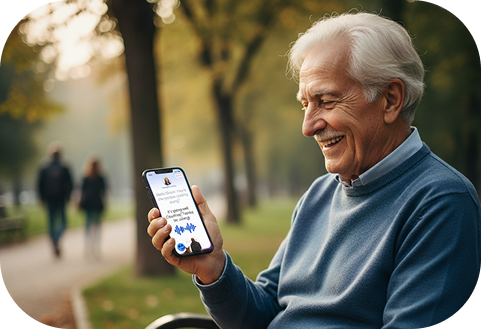
The future of emotional connection is not only human it’s digital, empathetic, and accessible. As loneliness among seniors continues to grow, AI companions and chatbots are stepping in to provide company, conversation, and emotional reassurance when loved ones are far away.
Modern AI companions such as ReComune, Character.AI, Replika, and Hyodol are designed with seniors’ emotional well-being in mind. Recomune, a newly emerging AI platform, focuses specifically on “empathetic conversations” voice or text interactions that replicate human warmth while maintaining privacy and respect. In this digital age, connection no longer depends on distance just on intention, empathy, and the right balance between human and artificial compassion.
In a world that often moves too fast, connection can feel out of reach but it doesn’t have to be. A simple five-minute phone call holds the power to restore warmth, belonging, and hope to someone who feels unseen. For older adults, especially those living alone, hearing a familiar voice can reduce anxiety, lower stress, and spark joy that lingers long after the call ends.
Science confirms what the heart already knows: empathy heals. Whether it’s a weekly check-in, a quick chat, or a surprise hello, those few minutes can rebuild emotional bridges that distance or time may have worn down. Every call reminds us that care doesn’t need to be grand it just needs to be genuine. So, pick up the phone today. Your voice could be the light that turns someone’s loneliness into laughter, connection, and renewed emotional well-being.e’s heart.
Posted by recomune_dhfskm in Awareness, blog on July 3rd, 2025
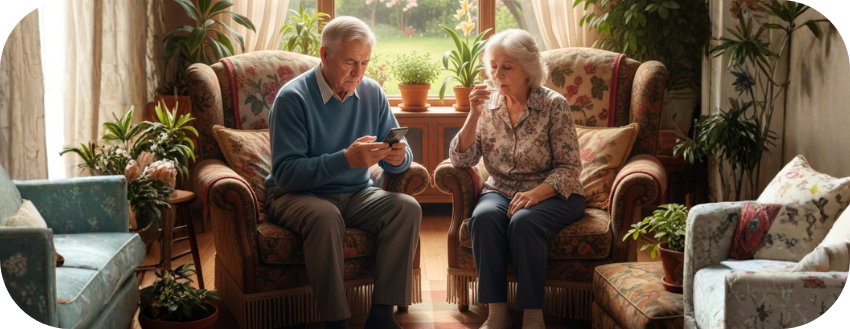
As adult children, we carry many roles like advisor, confidant, cheerleader and sometimes, caregiver. When our parents age, those roles blend and evolve. One question surfaces again and again: How often should I check on my parents? This isn’t just about logistics it’s about connection, peace of mind, and honoring the dignity of your loved ones. Below, you’ll find an understanding, compassionate roadmap for establishing a rhythm of check-ins that supports both your parent’s wellbeing and your own.
According to the research the Profile of Older Americans, approximately 28% of older adults (65+) living in the community were living alone (Census.gov). When a parent lives alone, the risk of social isolation, delayed help in emergencies, or unmet needs increases. At the same time, family caregiving is growing. For example, one review found that in 2022 adult children made up a large share of family caregivers highlighting the importance of staying engaged and proactive (PRB).
When we talk about checking on your aging parent, it covers multiple dimensions:
Here’s a helpful framework you can adapt. These suggestions assume your parent is living independently, with no major acute illness or cognitive impairment. If they do have higher care needs, you’ll want to check more often (see “Intensified-support mode” below).

If you detect mobility issues, early cognitive change, increasing falls, or loneliness:

When your parent has major chronic illness, cognitive decline, lives far away, or has a serious fall:
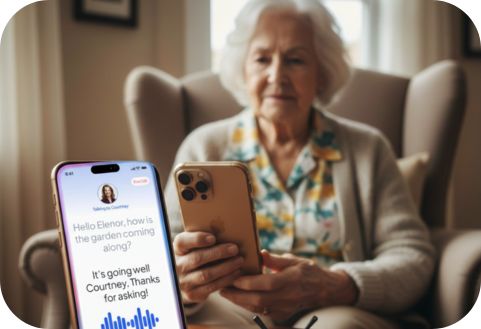
Here’s the truth: you can’t be everywhere, every day and that’s perfectly okay. What matters isn’t you doing it all, but that your parent never feels forgotten.
That’s where a support network both human and digital comes in. You can build what’s called a “Companionship Circle”: a blend of family, friends, community, and smart tools that ensure daily connection and care, even when you can’t personally make the call.

It’s a nuance: you want your parent to live with freedom and dignity, while also feeling secure. Here are ways to achieve that balance:
Many adult children feel guilt: “I live far away,” “I don’t call enough,” “I should be visiting more.” Studies show caregiver guilt is common among adult children supporting aging parents (Psychology Today).
Your presence through words, laughter, and listening remains the most powerful safeguard your parents have. Checking on your aging parents isn’t a chore; it’s an act of love, respect, and continuity.
It keeps them grounded in family, anchored in purpose, and surrounded by care. Start simple: a text, a voice note, a five-minute chat. Let your consistency build a bridge between generations.
And remember: every check-in says, “You matter, and you are not alone.” millions of seniors live independently but quietly crave connection. Your voice steady, loving, and familiar can make all the difference in transforming solitude into peace, and aging into grace.
Posted by recomune_dhfskm in Awareness, blog on June 6th, 2025

If you’re an adult child supporting an aging parent, you already know the stakes: you want them safe, happy, and truly connected. You want peace of mind without burning out. The good news is that companionship for seniors is changing fast. Family and friends will always be the heart of meaningful connection, but a wave of practical tools from simple video calls to surprisingly personable AI companions can now reinforce your efforts, fill lonely hours, and help you sleep at night.
This blog blends empathy with clear, doable steps. You’ll see how to craft a balanced “companionship plan” that mixes human touch with smart tech, so your parent feels seen, supported, and engaged every day.
Loneliness isn’t just a sad feeling, it’s a serious health risk. The U.S. Surgeon General warns that the mortality impact of being socially disconnected can rival smoking up to 15 cigarettes a day and it’s tied to higher risks of heart disease, stroke, dementia, anxiety, and depression (University of New Hampshire).
At the same time, the world is aging at record speed. By 2050, the proportion of people over 60 will nearly double, reshaping families, work, and care systems. That means more of us will be balancing careers, kids, and elder care and more seniors will be at risk of isolation if we don’t plan ahead (World Health Organization).
And yes, the pressure is real. In a national analysis, 67% of family caregivers said it’s hard to juggle their jobs with caregiving responsibilities. Burnout isn’t a personal failure, it’s a predictable outcome when support networks and tools aren’t in place (AARP Press).
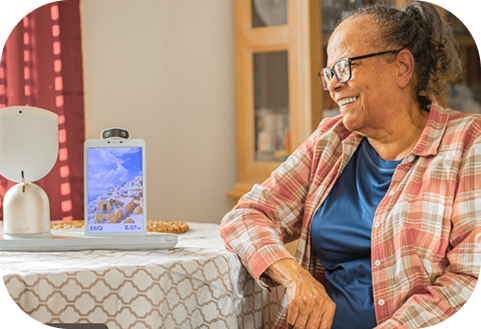
Think of companionship as a team effort, not a solo mission. Your roster can include:
Many will. Older adults keep getting more comfortable with technology. Pew Research’s 2024 overview shows steady growth in smartphone and broadband adoption across age groups, including people 65+. That means the gateway tech (video calls, messaging, photo sharing) is increasingly within reach (Pew Research Center).
A practical hint: start with one device and one app that solves a real, felt problem (e.g., “See your grandkids every evening”). Success builds confidence.
AI companions range from voice-based helpers to tablet apps and small robots that prompt conversation, play music, run trivia, and encourage light exercise. Early research is promising: meta-analysis and reviews suggest AI-enabled and socially assistive technologies can help reduce loneliness or depressive symptoms for some older adults especially when used regularly and alongside human interaction. But evidence quality varies, and these tools are best considered supplements, not substitutes ( MDPI).
Choose based on personality fit and use-cases:
Evidence suggests these tools can reduce perceived loneliness or depressive symptoms in some settings but they work best when someone pairs them with human contact and celebrates usage (“How was your music hour with your robot?” (ScienceDirect).
Caregiving time adds up. The U.S. Bureau of Labor Statistics reports that on days when unpaid eldercare is provided, caregivers average 3.9 hours of care. Use tech to reclaim micro-moments, schedule automated check-ins, use group chats for siblings to share updates, and let AI companions entertain or cue routines while you handle logistics (Bureau of Labor Statistics).
Home support has real costs. National data show a 2024 median $34/hour for a home health aide (hands-on help), with homemaker services rising faster than inflation. If paid companionship is part of your plan, match the number of hours to the most impactful times (CareScout).
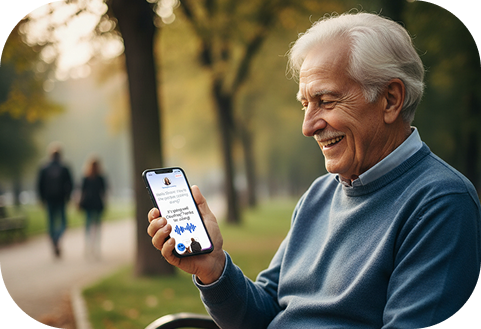


App-based solution designed for seniors to have meaningful, warm, positive and secure conversations to end lonliness (ReComune).
While Character.AI offers engaging conversations, it has notable drawbacks. Many users report inconsistent character behavior, frequent AI memory loss, and limited emotional depth over long interactions. Privacy concerns and the lack of transparency around data usage also raise issues, making some experiences feel more artificial than authentic. Additionally, other lawsuits have been filed in Texas alleging harm to minors involving the app’s content and design (National Law Review).
Care.coach, though intended to support elderly care through virtual avatars, faces criticism for lacking true emotional understanding. Users report discomfort with constant monitoring, privacy concerns over voice and video data, and limited personalization. The system’s reliance on remote human operators also raises questions about authenticity and ethical transparency. The pet avatar interacts, but there are real human Health Advocates behind it (care.coach).
Replika AI, while marketed as an emotional companion, often delivers inconsistent or superficial conversations. Users report abrupt personality shifts, dependency risks, and blurred emotional boundaries. Privacy concerns over sensitive data storage and limited transparency about AI learning methods further erode trust, making genuine human-like connection difficult to sustain.
In our journey through the evolving landscape of senior companionship, one truth remains unwavering: connection is the cure. While nothing can replace the warmth of a heartfelt visit or the laughter shared across generations, the future offers bold new tools to ensure your loved-one never feels alone. By blending family presence, community engagement, smart technology, and purpose-built AI companions, you can weave a safety net of purposeful companionship, day after day. Start with one meaningful step this week: schedule a regular video call, set up a simple photo-stream, or try an AI companion.
Posted by recomune_dhfskm in Awareness, blog on May 5th, 2025

As parents age, their care becomes both a heartfelt duty and a source of constant worry. For adult children, peace of mind isn’t a luxury it’s a lifeline. According to the study, nearly 70% of family caregivers report feeling anxious about their loved one’s safety and well-being. Peace of mind helps transform that anxiety into calm, clarity, and connection. It allows families to move from constant vigilance to meaningful presence enjoying time with their loved ones rather than fearing what might go wrong.
Research from the shows that caregivers who experience less stress report stronger relationships and deeper fulfillment. When you’re at peace, your loved one feels it too. Peace of mind restores balance, strengthens emotional bonds, and reminds families that caregiving is not just about responsibility it’s about love, trust, and togetherness (National Institutes of Health).
Caring for a parent or senior loved one often comes layered with worry, uncertainty, and the constant hum of responsibility. According to one U.S. study, 67% of family caregivers say they struggle to balance work and caregiving duties, while 84% report moderate or high daily stress (AARP). Another survey found that 43% of family caregivers report sleeping difficulties and 36% indicated feelings of depression (SeniorLiving.org).
These figures reflect not just what you do, but how it affects you emotionally, mentally, and physically. Without solace, you carry more than your parent’s care you bear their anxieties, your own doubts, and the invisible cost of being near and far at the same time.

When peace of mind takes root, it brings powerful benefits
Families who engage home care, for example, report that reassuring structure gives them time to simply be together instead of constantly managing tasks. One article states that quality in-home senior care helps family members “focus on spending quality time rather than worrying about care needs (Westmont Living).
Here are five areas where intentional action fosters empowerment and calm
You can’t do it alone. Enlist local help friends, neighbors, professional aides. The more reliable the support system, the fewer late-night worries. Research shows nearly half of caregivers receive no formal support despite 88% saying they need it (SeniorLiving.org).
Uncertainty breeds tension. A written list of medications, check-ups, emergency plans and caregiving tasks reduces the “what ifs.” Knowing there’s a blueprint in place builds quiet strength.
When your parent’s environment is safe, your mind relaxes. Services that focus on aging-in-place, home care, and monitoring deliver what one source calls “crucial support ensuring safety and peace of mind for everyone involved”(SeniorSite).
Worrying constantly drains you. Carve out moments of respite short breaks, a handful of minutes for yourself, a chat with a non-caregiving friend. These recharge your capacity to care with heart, not burden.
Share plans, fears, and hopes with your parent and your siblings. Open dialogue reduces assumptions, surfaces shared decision-making, and anchors everyone in clarity and connection. Families navigating senior living emphasize that “knowing that their loved ones are safe, engaged, and genuinely cared for can be transformative”(mbkseniorliving.com).

These heartfelt emotions and power words serve as your inner anchors guiding you toward calm, strength, and compassion, and helping you nurture both your loved one’s well-being and your own inner peace.
If you’re feeling your closeness fading, your stress rising, or your sleep slipping away you are not alone. Caregiving, while rooted in love, can quietly drain your emotional reserves. According to the American Psychological Association, nearly 32.9% of unpaid caregivers experience significant mental or behavioral health challenges, compared to only 6.3% of non-caregivers. These challenges often include anxiety, depression, and emotional fatigue caused by constant worry and lack of rest.
But technology and community together are offering new hope. The National Institutes of Health notes that caregivers who use peer networks, respite services, or emotional support tools experience improved resilience and balance. One such innovation is the AI Companion, such as ReComune, designed to provide empathetic conversation, daily encouragement, and emotional support. These companions help caregivers and seniors alike feel heard, valued, and connected, even in moments of isolation.
By combining human connection with intelligent technology, caregivers can restore clarity, reduce emotional strain, and regain their sense of peace. Remember, asking for help whether from people or compassionate AI isn’t a weakness; it’s a powerful step toward healing, balance and renewed hope.

Your peace of mind is more powerful than you realize it’s the silent strength your parent feels even when words aren’t spoken. When you’re calm, patient, and emotionally balanced, your parent senses security, trust, and love. According to the American Psychological Association seniors who feel emotionally supported by calm caregivers show lower stress levels and greater life satisfaction.
Your inner peace becomes their emotional anchor, reminding them that they are safe and valued.Stress, frustration, or guilt can unintentionally transfer to your loved one, making them feel anxious or burdensome. But when you care from a place of clarity, compassion and calm, you nurture not just their body, but their heart. Your peace creates an environment filled with comfort, stability and hope, allowing your parent to age with dignity, confidence, and the joyful assurance that they are truly loved and cared for.
In the journey of caring for a senior loved one, peace of mind isn’t a luxury it’s a lifeline. It is the calm strength that turns worry into purpose and exhaustion into love. When you cultivate inner peace, you not only protect your own well-being but also create an atmosphere of trust, comfort and dignity for your parent. Research highlights, emotionally balanced caregivers provide more consistent and compassionate care, strengthening family bonds and overall well-being.
Rise each day with courage in your heart and compassion in your hands. Let clarity replace guilt and calm replace chaos. Remember that caregiving isn’t just about tending to another’s needs it’s about nurturing your own humanity too. So, as you anchor your parent with love, allow your own heart to find safe harbor. Because when your mind rests, your love flows freely and that is the most powerful, enduring gift of all.
Posted by recomune_dhfskm in Awareness, blog on March 27th, 2025

When distance separates you from your aging parents, it can feel like your heart is stretched across miles. Yet with empathy, creativity, and planning, you can still be their anchor, their voice, and their strength even from afar. This guide offers practical, compassionate strategies for adult children to support their senior parents from a distance.
Many older adults prefer to age in place remaining in their cherished home rather than moving to a facility. According to Survey of AARP, 77% of adults aged 50 or older said they “definitely” want to stay in their home as long as possible (Kiplinger). At the same time, more families are geographically dispersed. Long-distance caregivers face unique challenges: lack of visibility into daily life, emotional guilt, and coordination stress (The Conversation). Despite these hurdles, your thoughtful involvement can dramatically improve your parents’ well-being emotionally, physically, and mentally.
Don’t leave communication to chance routine builds connection. Setting a specific day and time each week for phone or video calls helps aging parents feel emotionally grounded and connected. A consistent schedule not only gives them something joyful to anticipate but also lets you observe changes in their mood, health, or surroundings.

According to the AARP Caregiving Study (2023), older adults who engage in regular video calls with family report lower levels of loneliness and higher emotional satisfaction (National Institutes of Health). It also recommends maintaining consistent contact through technology to support mental health and strengthen familial bonds. As it highlights, even something as simple as a weekly “Sunday FaceTime” ritual can maintain closeness across time zones and make distant relationships feel near.
Set them up with an easy-to-use tablet or interface. Consider pre‑configuring apps like Zoom, FaceTime, or a touchscreen device like GrandPad, so they can connect easily.
Don’t underestimate the power of a quick text, a shared photo, or a handwritten letter. These small gestures can brighten days and remind your parents that they’re loved even when you’re miles away.

You can’t be everywhere but with help, you can be everywhere in spirit.
Obtain a comprehensive list of medications, doctors, diagnoses, and medical history. Also, secure permissions durable power of attorney, advance directives so you can legally act in emergencies (National Institute on Aging).
Book doctor visits, request telehealth options, and coordinate transportation. Many health providers now offer online portals for you to view test results or message physicians.
Set up alerts, pill boxes, or automatic dispensers. You might also register for local pharmacy delivery services. Technology like this can reduce risk of missed doses or medication errors.

Evaluate flooring for slip risks, install grab bars, check lighting, and remove clutter. A safe environment reduces fall risk and anxiety (National Institutes of Health).
Consider motion sensors, emergency pendants, or alert systems. You’ll receive timely updates if something is amiss (The National Council on Aging).
Set up grocery or meal delivery, automatic bill pay, or pharmacy drop-offs. This ensures basics are covered without needing constant supervision.
AI companions such as ReComune help seniors to recall their memories and stay mentally active through interactive dialogue. It provide friendly conversations that nurture emotional well-being and mental clarity, designed specifically for seniors. It offers personalized companionship and empathetic interactions that encourage positivity and reduce loneliness. Unlike many AI tools, It is gated, secure and fully moderated, ensuring that every conversation remains safe, uplifting, and respectful.
When you visit, blend tasks and emotional connection. Tackle doctor appointments, safety checks, and home improvements but also share meals, reminisce, and make memories. Rotate visits with siblings or loved ones in your parents’ region to balance travel and coverage (Expatclic). Each visit is a chance to reevaluate: Has mobility declined? Is the home still safe? Adjust your care plan proactively rather than reactively.
Gather bank accounts, insurance policies, deed titles, and other vital records. Store them securely perhaps in a password-protected cloud or shared folder (fnbn.com).
If possible, have your parents grant you limited access (joint account, digital pay setup) so you can help with bills without overstepping (Synchrony).
Ensure Powers of Attorney, wills, and advance medical directives are current. These give you legal footing in times of crisis.
Be a compassionate listener. Sometimes your role is not to fix but to listen without judgment. Validate their fears, losses, and joys. Let them express themselves fully. Encourage local clubs, faith groups, or senior centers. Share ideas or even sponsor their memberships (ardenparks.co.uk). Watch a movie “together,” play online games, or explore virtual tours. Shared experiences deepen connection despite separation. Throughout your caregiving journey, infuse your communication with powerful, emotional words that uplift and inspire: compassion, dignity, resilience, connection, hope, empowerment, belonging, comfort, and gratitude. Using emotionally rich language helps reassure your parents that they are valued, supported, and never forgotten.
You can’t pour from an empty cup. Set boundaries: Recognize what you can and cannot do. Don’t let guilt drive burnout (Direction Psychology).
Seek support: Join caregiver groups, use counseling, or lean on friends. Long-distance caregiving can be emotionally draining.
Practice self-care: Reserve time for rest, hobbies, and reflection. Your emotional well-being underpins your ability to care for others.
Your parents’ needs will change. What works today might not tomorrow. Reassess regularly. Every visit or call, reflect on what’s working and what’s not. Be flexible. Explore additional supports assisted living, caregiving services, or specialized programs. Keep communication open. Encourage your parents to share new fears, desires, or changes in their health or routine.
Supporting aging parents from a distance is a challenging but deeply meaningful act of love. Though your presence may be constrained by geography, your commitment, planning, and heartfelt connection can be a powerful force. Through intentional communication, trusted local support, proactive health and safety measures, and emotional attunement, you can transform the miles between into a bridge of care, security, and companionship. You may be far but your love, presence, and support will always be felt.